
Ria Formosa Marshlands
Natural lagoon system in southern Portugal
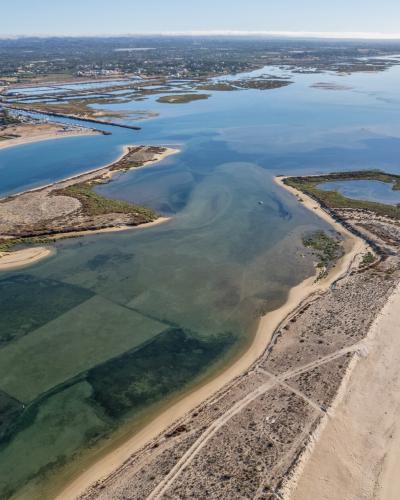
Olhão is the working hub of the Ria Formosa, and the lagoon is best understood from here. The town is a fishing port with a lively waterfront, and its quays are the starting point for boats to the islands. Behind the town, the marshlands stretch out in a patchwork of channels, mudflats, salt pans and reedbeds, which change shape with every tide. Together with the barrier islands, they form a protected natural park of around 18,000 hectares.
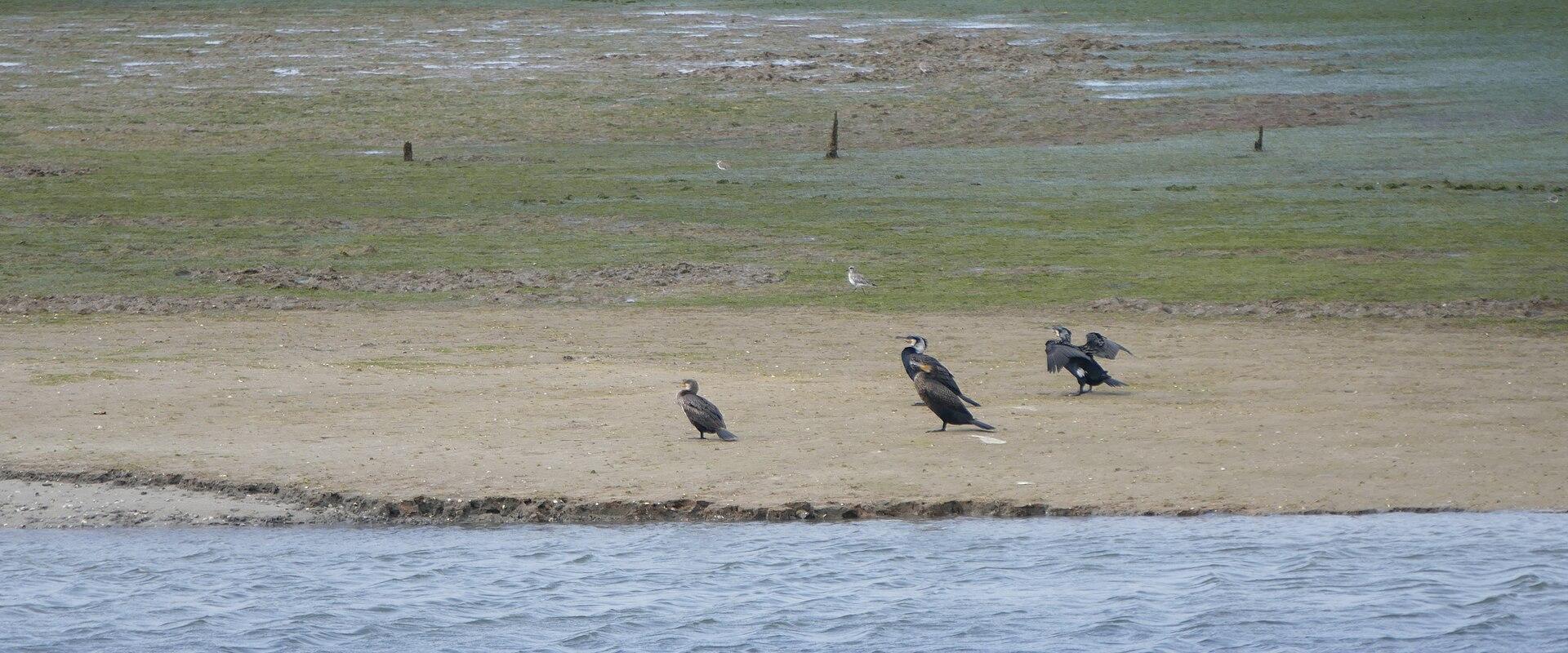
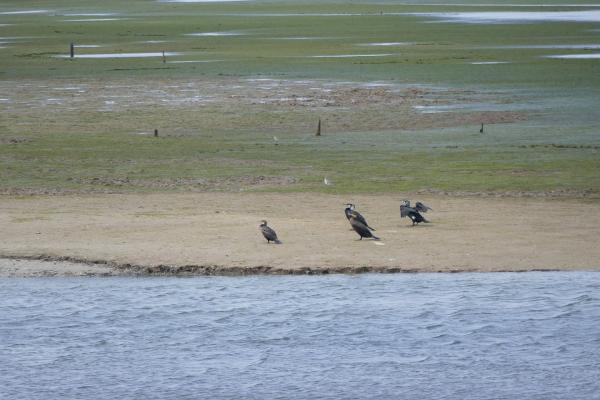
The ecology is the main interest. The lagoon is shallow and rich in nutrients, and its mudflats are a feeding ground for huge numbers of wading birds, especially in autumn, winter and spring. Avocets, spoonbills, flamingos, herons and many others can be seen, and the purple swamphen, a large, bright blue bird that is rare in Europe, lives in the reeds. Below the water, seagrass beds shelter seahorses and a great variety of juvenile fish. The marshes also hold glasswort and other salt-tolerant plants that colour the flats in autumn. Walking trails and observation points near Olhão, including those around the park's environmental education centre at Marim, give access for a quiet visit.
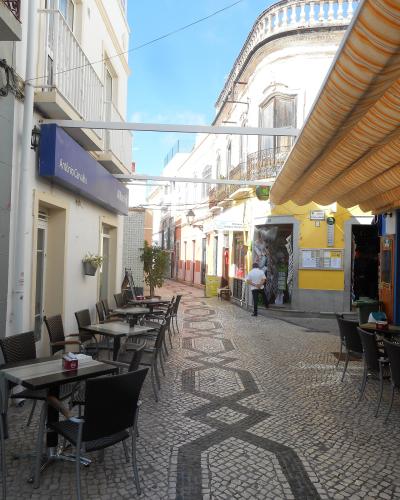
The lagoon is also a working landscape, and that is a large part of its character. Clams and oysters are farmed on the mudflats, and at low tide you may see workers bent over the beds with rakes. Traditional salt pans, some still active, produce sea salt and a delicate flor de sal. Fishermen set traps for octopus, and the daily catch is sold in the market halls of Olhão, whose red-brick buildings beside the waterfront are a highlight. The town's old quarter has flat-roofed, cube-shaped houses with rooftop terraces, a style that gives it an almost North African look. In 1808, as the story goes, Olhão fishermen sailed a small boat to Brazil to tell the Portuguese court that the French had left, and the town was granted the status of a vila soon after.
To see the marshlands, you can take a boat trip, join a kayak tour or walk the shoreline. Ferries run from Olhão to the islands of Culatra and Armona, a short crossing, and small boats also offer wildlife tours that thread through the channels and past the salt pans. The experience varies with the tide, so check the schedule. Birdwatching is best in the early morning, and binoculars make a big difference.
The area is open and free, as it is a natural park, but remember that it is a protected area. Keep to paths, avoid disturbing nesting birds and carry out your rubbish. Bring sun protection, a hat and water, as the marshes offer little shade. Summers are hot, and the mosquitoes can be annoying in the evening. Spring and autumn are the most pleasant seasons. The marshlands suit nature lovers, photographers and anyone curious about the working life of the lagoon.
Categories
More photos coming soon
Hours & Fees
Hours
Open 24 hours (natural park)
Admission
Free
Frequently Asked Questions
Quick Facts
Best Time to Visit
Late June to early September offers hot, sunny weather for island beaches; spring and autumn are mild and ideal for markets and exploring the old town.