Olhao
Fishing port with island ferries and Moorish architecture
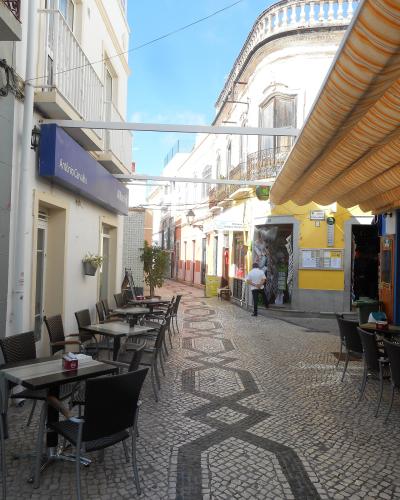
Olhão, located just east of Faro on the Algarve coast, is a town that blends maritime tradition, Moorish heritage and natural wonders. Its history is deeply tied to the sea—Olhão developed as a major fishing port in the 18th and 19th centuries, and its waterfront remains the center of local life. The town’s unique cubist architecture, characterized by flat-roofed, whitewashed houses and ornate chimneys, reflects both Moorish influence and the practical needs of fishermen. The flat roofs, or açoteias, were used for drying fish and fruit and today give some of the best views of the town. The old town is a labyrinth of narrow alleys, where visitors can discover hidden courtyards, colorful street art and traditional cafés.
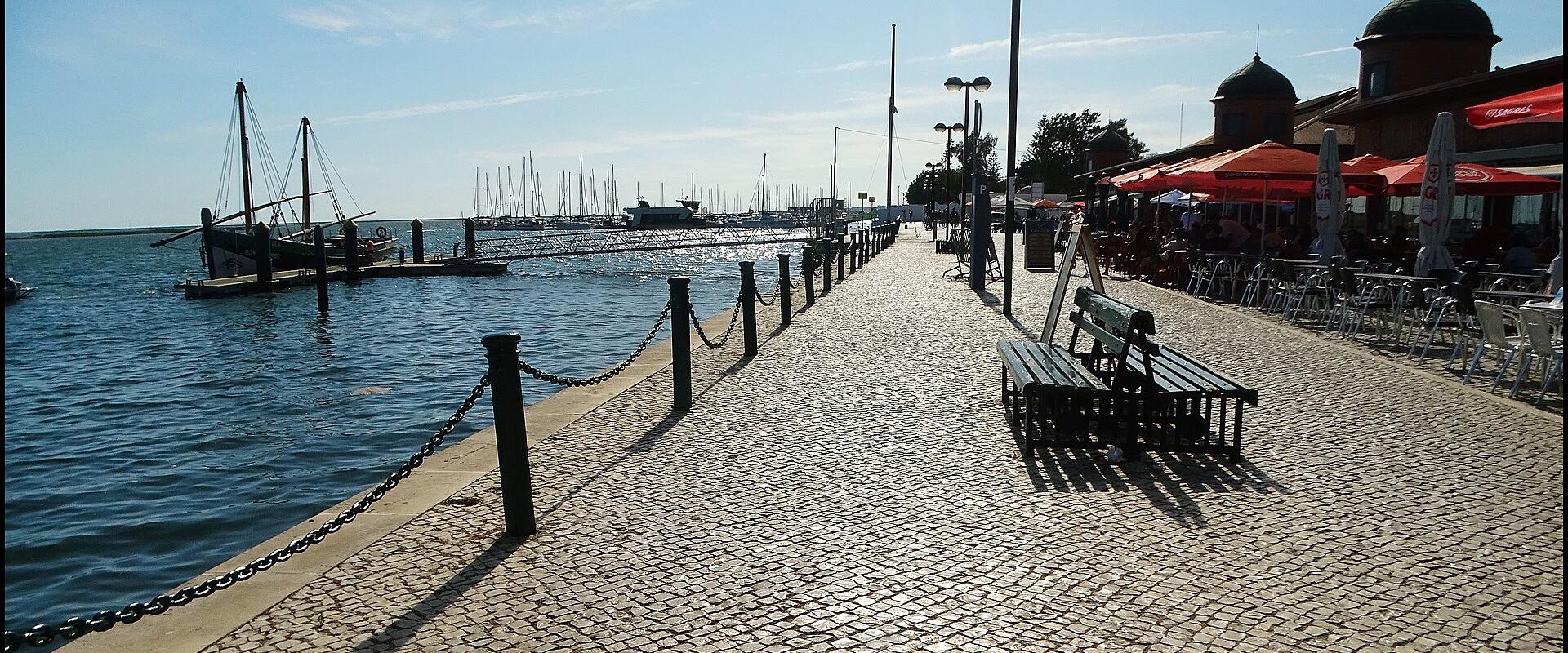
The Mercado de Olhão, a pair of striking red-brick market halls on the waterfront, is one of the Algarve’s most famous markets. Every morning, locals and visitors flock here to browse stalls brimming with fresh fish, seafood, fruits, vegetables and regional delicacies. On Saturdays, the market spills onto the promenade, creating a lively scene of vendors, musicians and street food. The marina and riverside gardens are suited to a stroll, offering views of fishing boats and the distant sandbar islands. In the evening, the grilled-fish restaurants near the market fill with locals.
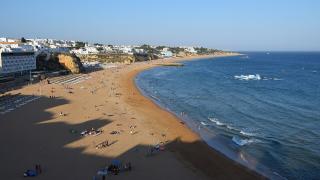
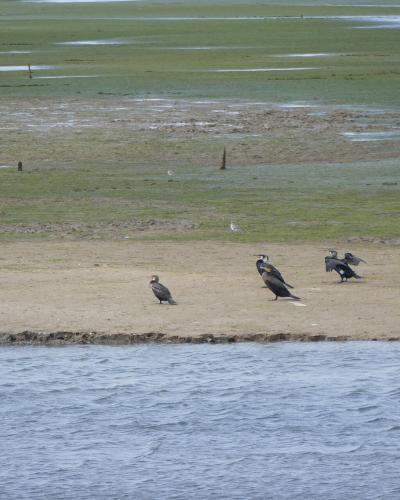
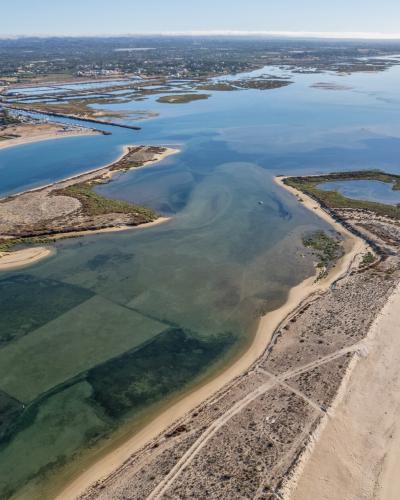
Olhão is the main gateway to the Ria Formosa Natural Park, a labyrinth of lagoons, salt marshes and barrier islands that stretch along the coast. Regular ferries and water taxis connect the town to the islands of Culatra, Armona and Farol, each boasting pristine beaches, clear waters and laid-back beach bars. These islands are car-free and ideal for swimming, sunbathing and birdwatching, with flamingos and other migratory species frequenting the park’s wetlands. The park’s headquarters at Quinta de Marim, just outside the town, has walking trails, a restored tide mill and a center that explains the lagoon’s ecology.
The town’s cultural life is equally rich. Olhão’s annual Seafood Festival celebrates the region’s culinary heritage, while local restaurants serve up specialties like cataplana (seafood stew), grilled sardines and octopus dishes. Artisans’ shops and galleries showcase local crafts, and the town’s parks and gardens provide shady retreats from the summer sun. The catch of the day, from sea bream to cuttlefish, is the best guide to what to order.
Getting to Olhão is easy, with regular trains and buses from Faro (about 10 minutes away) and other Algarve towns. The town is compact and walkable, though bicycles are a popular way to explore the waterfront and nearby salt pans. Accommodation ranges from boutique hotels in restored townhouses to modern apartments and guesthouses.
The best time to visit Olhão is from late June to early September, when the weather is hot and sunny, suited to beach trips and island hopping. Spring and autumn are also pleasant, with mild temperatures and fewer crowds, making it ideal for exploring the markets, old town and Ria Formosa. For seafood, islands and an authentic local feel, Olhão promises a memorable Algarve escape.
Best Time to Visit
Late June to early September offers hot, sunny weather for island beaches; spring and autumn are mild and ideal for markets and exploring the old town.
Did you know?
Interesting, verified facts about Olhao
Olhao Has a Second Local Claim
HistoryThe town’s historic center is a maze of narrow streets lined with whitewashed houses, Moorish-inspired chimneys, and lively squares.
Source: Olhão - WikipediaPlan Your Visit to Olhao
Essential travel tips and information for your trip to Olhao.
Suggested Itineraries
Travel Tips
Currency
EUR • Cards widely accepted
Language
Portuguese • English in tourist areas
WiFi
Free WiFi in cafes and hotels
Explore Olhao by Interest
Discover attractions and experiences in Olhao organized by your interests and travel preferences.

All attractions in Olhao
Sorted by our recommendation score
Quick Facts
Book your stay
Frequently Asked Questions
More destinations in Algarve
Explore other amazing places in the Algarve region