





Pastel De Nata Baking Class With Homecooking Lisbon
Hands-on Pastel de Nata baking in Lisbon bakery
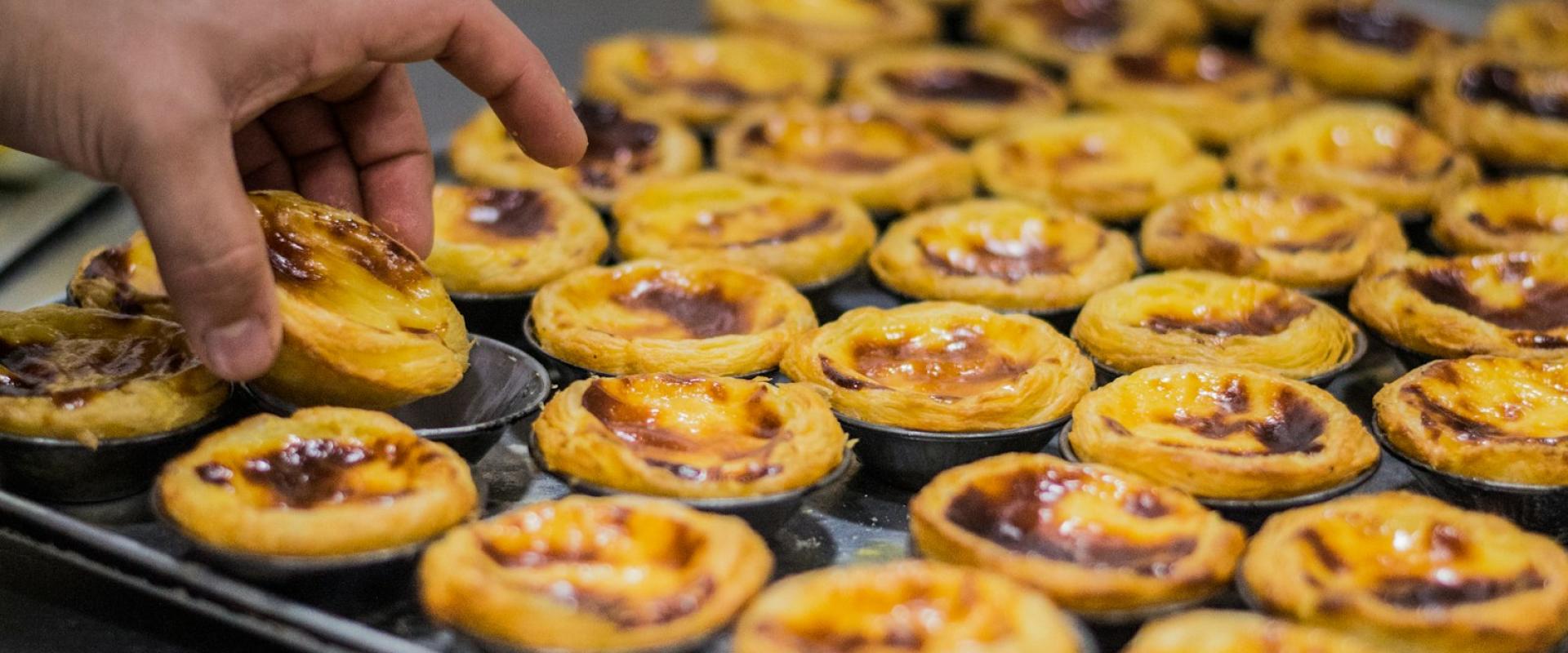
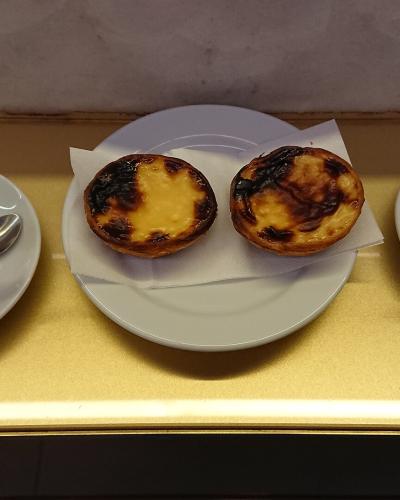
Few foods are as closely linked to Lisbon as the pastel de nata, the small custard tart with a flaky shell and a creamy filling blistered to a dark brown on top. Tourists queue for them at the famous bakery in Belém, and locals eat them every day with coffee. A baking class offers a chance to learn how they are made, and to eat the results warm from the oven, which is the best way to enjoy them.
The pastel de nata has a history linked to the monasteries. Before 1834, when the religious orders were suppressed in Portugal, convents and monasteries made a great deal of sweets from egg yolks, since the whites were used for clarifying wine and starching clothes. The monks of the Jerónimos Monastery in Belém are believed to have made these custard tarts, and when the monastery closed after the liberal revolution, a sugar refinery owner nearby began selling them. In 1837, a bakery opened next to the monastery, selling the tarts under the name Pastéis de Belém, and the recipe, kept secret by a small group of master bakers, is still used there. Other bakeries make their own versions, and the name pastel de nata is used generally, while pastel de Belém is used only for the original.
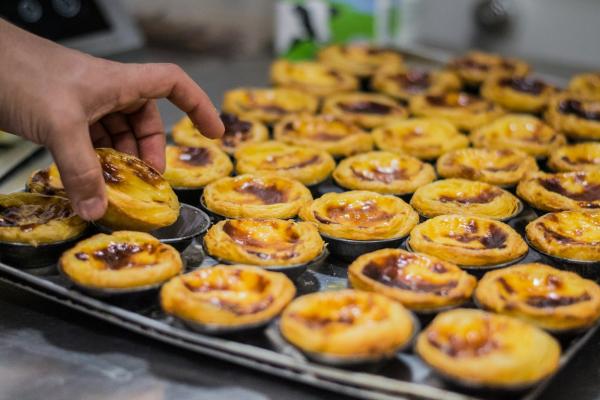
The structure of the pastry is the challenge. The case is made from a puff pastry, a dough that is folded and rolled many times with butter to produce hundreds of thin layers, then rolled into a log, cut into discs and pressed into small tins, with the thumb forming the shape. The filling is a custard made from milk, egg yolks, sugar and a little flour or cornflour, flavoured with lemon peel and cinnamon, and cooked into a thick cream. The tarts are baked at a very high temperature, around 250 to 300 degrees Celsius, which scorches the surface in dark patches and makes the pastry crisp. The contrast between the shattering shell, the soft custard and the caramelised top is what gives the pastry its appeal. Many people sprinkle cinnamon and icing sugar on top.
In a typical class, participants make the dough or shape prepared dough, prepare the custard, fill the tins and bake them in a professional oven, guided by a local baker, and sit down to eat their tarts with coffee or a drink. The sessions usually last about two hours, take place in a small kitchen in the centre of the city and cater for beginners. Some classes offer vegan options and recipe cards, so you can try the tarts at home. Booking in advance is wise, particularly in high season.
Wear comfortable clothes that you do not mind getting floury, and bring an appetite. The class suits families, couples and food lovers, and it is a good way to spend a rainy afternoon in Lisbon.
Categories
More photos coming soon
Nearby Attractions
Other places to visit in Lisbon
Frequently Asked Questions
Quick Facts
Best Time to Visit
March to May and September to October offer warm weather, fewer crowds, and ideal conditions for sightseeing and outdoor activities in Lisbon.