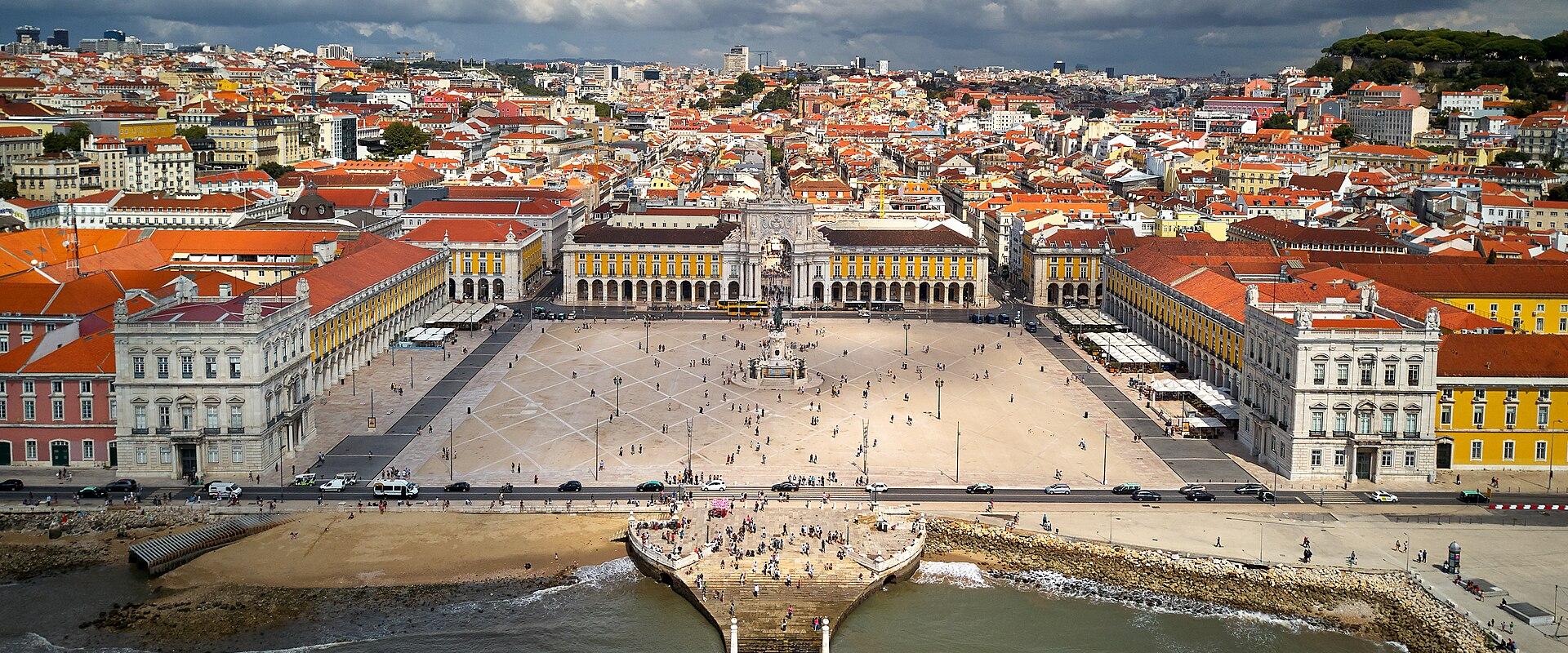
Praça Do Comércio (Main Square)
Historic riverside square with Pombaline architecture
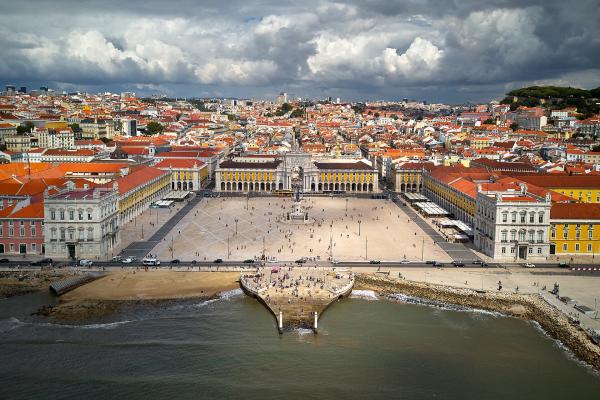
Praça do Comércio is the biggest and most formal square in Lisbon, a huge open space with its fourth side wide open to the Tagus. Lisbon people still call it Terreiro do Paço, the Palace Yard, after the royal palace that stood here until 1755. The Paço da Ribeira was the residence of the Portuguese kings for over two centuries and the place from which the empire was governed, filled with treasures, books and works of art. It was destroyed in the great earthquake of 1 November 1755, together with its library, and the tsunami and fires that followed.
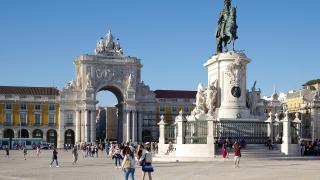
The square as it stands today is the work of the rebuilding led by the Marquês de Pombal, chief minister of King José I. Instead of reconstructing the palace, he created a vast, rational space lined with uniform, arcaded buildings painted in yellow, the colour that has become a trademark of the square. The ministries and customs offices that gave the square its name, since commerce was the basis of the city's wealth, were placed here, so that the centre of the state would face the river and the arriving ships. A statue of José I on horseback, cast in bronze by the sculptor Joaquim Machado de Castro and unveiled in 1775, stands at the centre, with bronze serpents under the horse's hooves, a symbol of the king's triumph over adversity.
At the north side, the Arco da Rua Augusta, finished in the 19th century, forms a triumphal gateway into the grid of the Baixa. A lift and stairs take visitors to a terrace at the top, with views over the square, the river and the rooftops of the old town. On the south side, two columns at the water's edge, the Cais das Colunas, mark the old landing place, where visitors to the city once stepped ashore from boats. The steps to the river are a popular place to sit in the evening, as the sun sets over the water.
The square has seen major events. In 1908, King Carlos I and his heir, Luís Filipe, were assassinated in a carriage at the western corner, an event that helped bring about the fall of the monarchy in 1910. In April 1974, rebel soldiers led by Captain Salgueiro Maia gathered here during the Carnation Revolution, which overthrew the dictatorship. Today it serves for concerts, markets and festivals, particularly at New Year, and in the arcades you find cafes and restaurants. Café Martinho da Arcada, in the arcades, was a haunt of the poet Fernando Pessoa and still operates.
The square is free to enter and open at all times. Early morning and sunset are the best moments for photographs. It is served by a metro station and by buses and trams, and the ferry terminals are a short walk to the west. It suits all visitors to Lisbon, as a starting point for a walk through the Baixa.
Categories
More photos coming soon
Nearby Attractions
Other places to visit in Lisbon
Frequently Asked Questions
Quick Facts
Best Time to Visit
March to May and September to October offer warm weather, fewer crowds, and ideal conditions for sightseeing and outdoor activities in Lisbon.