Roman Springs (thermal Baths)
Ancient Roman baths in Chaves, Portugal
Chaves, in the far north of Portugal near the Spanish border, has been a spa town since Roman times. Its Roman name, Aquae Flaviae, means the Waters of Flavius, and it refers both to the hot springs that rise in the town and to the Flavian dynasty of emperors, whose rule began with Vespasian in the year 69. The town was founded around AD 78 on the Roman road linking Bracara Augusta, now Braga, with Asturica Augusta, now Astorga in Spain, and the springs were a major reason for its prosperity.
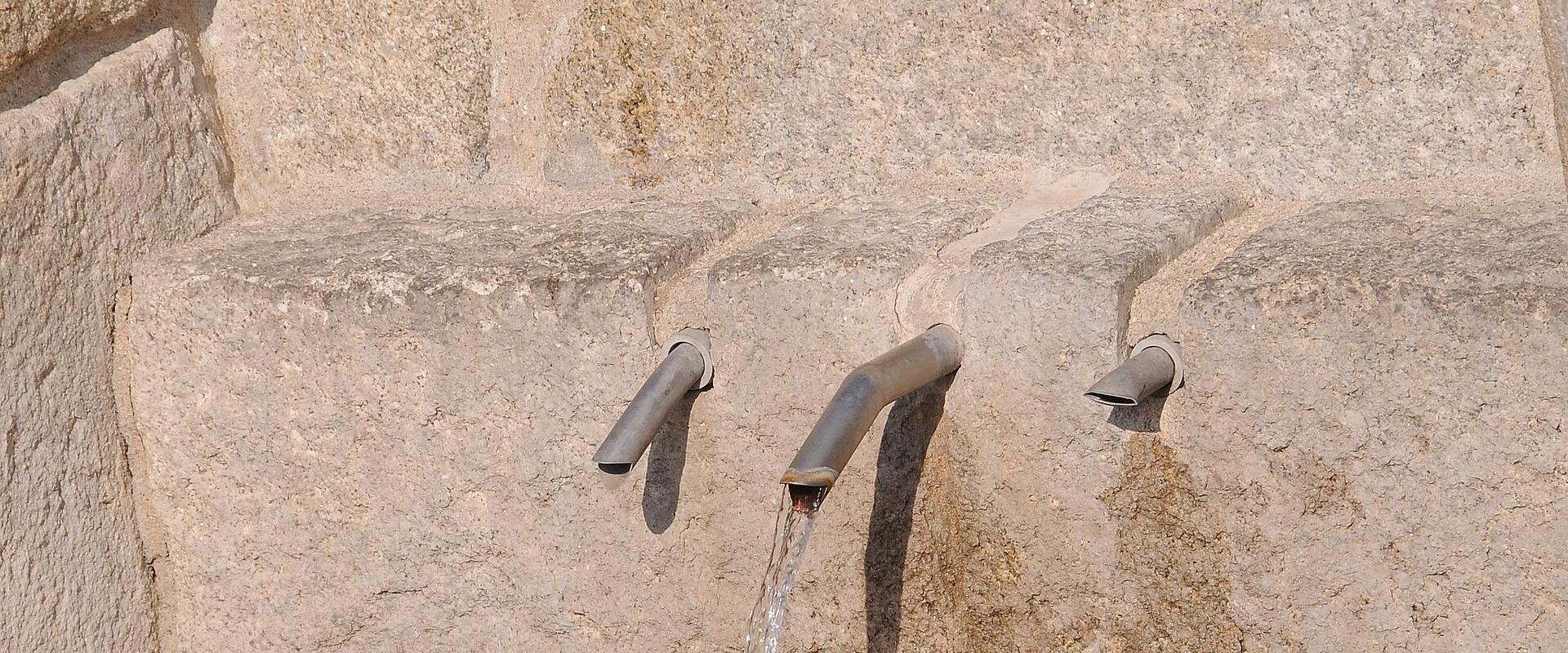
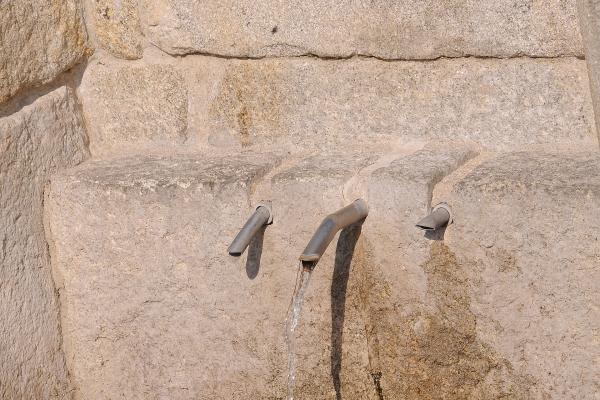
The springs are remarkable. Water rises here at a very high temperature, around 73 degrees Celsius at the source, which makes it among the hottest in continental Europe. It is rich in minerals, notably bicarbonate and sodium, and has been used for centuries to treat rheumatism, digestive complaints and skin conditions. At the Fonte do Tabolado, the water pours from a fountain at a temperature that makes it too hot to touch, and steam rises from it on cold mornings. Drinking the water in small amounts is a tradition, though its heat and taste surprise many visitors.
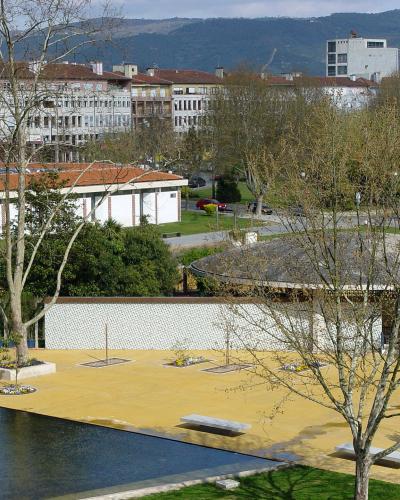
The archaeological side of the story emerged in 2006, when construction work in the town centre uncovered the remains of a Roman bathing complex. Excavation revealed an extensive set of structures, which archaeologists have described as one of the largest therapeutic bath complexes known in the Iberian Peninsula, with pools, channels and rooms arranged to use the natural hot water. The finds help to explain how the Romans organised bathing for health, with sequences of hot and cold baths and spaces for rest. Parts of the remains can be seen on site, and objects from the dig, such as pottery, coins and inscriptions, are held in local museums.
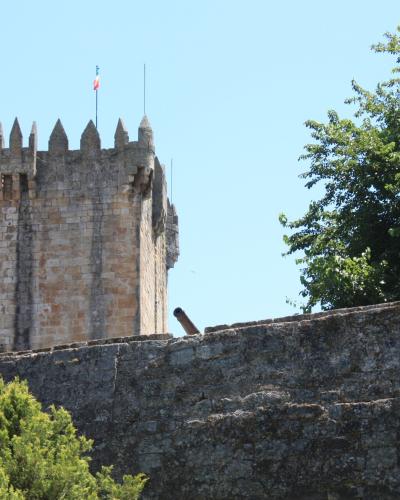
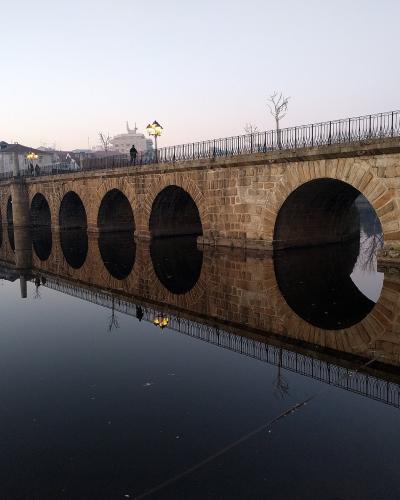
Chaves has other Roman survivals as well. The Trajan Bridge, a long stone bridge of about a dozen arches over the Tâmega river, dates from the 1st or 2nd century and is still used by pedestrians. Inscribed Roman milestones stand at its end, recording the emperors who maintained the road. Above the old town, a medieval castle keep with a small military museum offers views over the roofs, and the historic quarter has arcaded houses with wooden balconies. The town is known for its smoked ham, presunto de Chaves, and for a savoury puff pastry stuffed with meat, the pastel de Chaves.
For visiting hours of the baths and the spa, check with the municipal thermal centre, since the schedule changes and treatments often need booking. Winters in Chaves are cold and summers hot, so spring and autumn are comfortable. The thermal heritage suits curious visitors, history lovers and anyone seeking a relaxing stop in the Trás-os-Montes.
Categories
More photos coming soon
Nearby Attractions
Other places to visit in Chaves
Frequently Asked Questions
Quick Facts
Best Time to Visit
April to October offers warm, pleasant weather for exploring Chaves’ historic sites, enjoying the hot springs, and outdoor activities in the Alto Tâmega region.