





- Where
- Óbidos, Estremadura
- Directions
- Directions
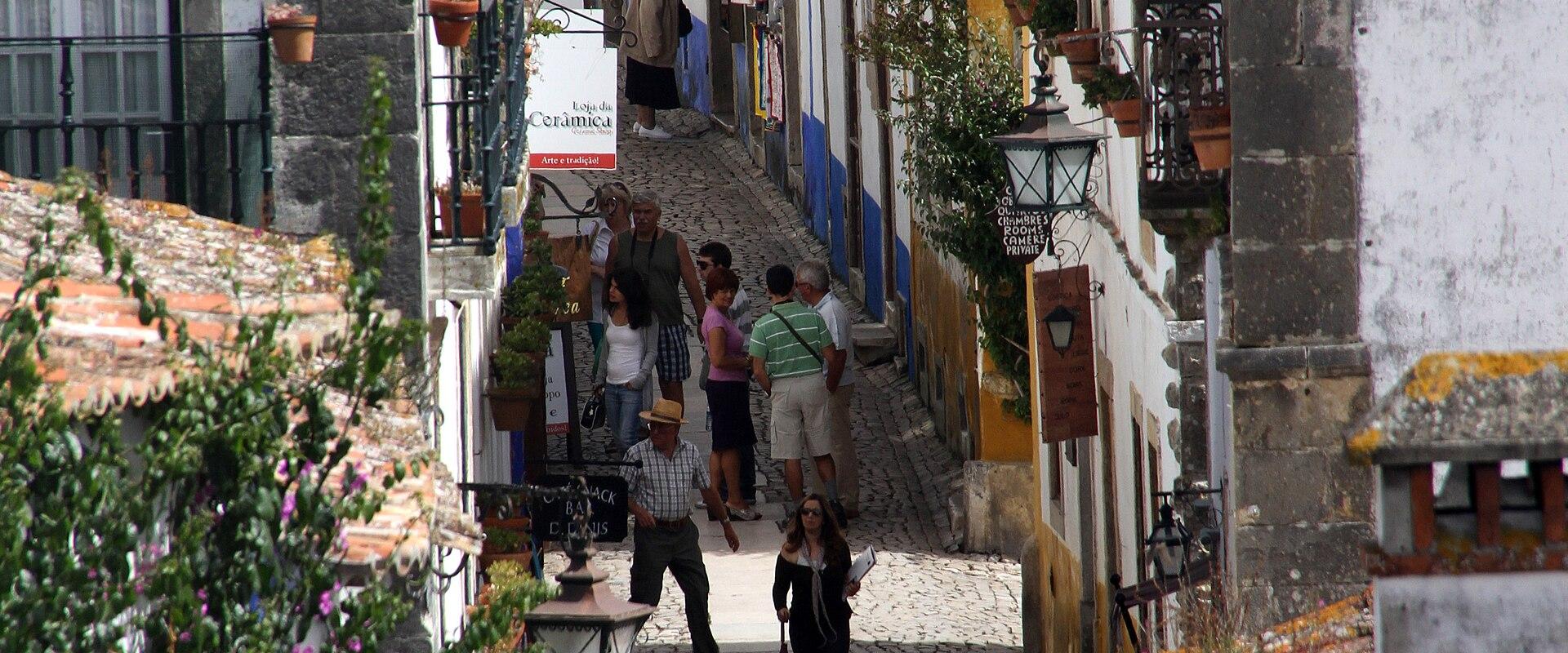
Óbidos is a small walled town on a hill, and Rua Direita is the street on which almost everything happens. It runs in a gentle curve from the town gate, the Porta da Vila, up to the castle at the far end of the walls, and it is the main axis of the old town, with most of the other lanes and alleys leading into it. A walk along it from end to end takes only a few minutes, but most visitors take far longer, as the street is full of reasons to stop.
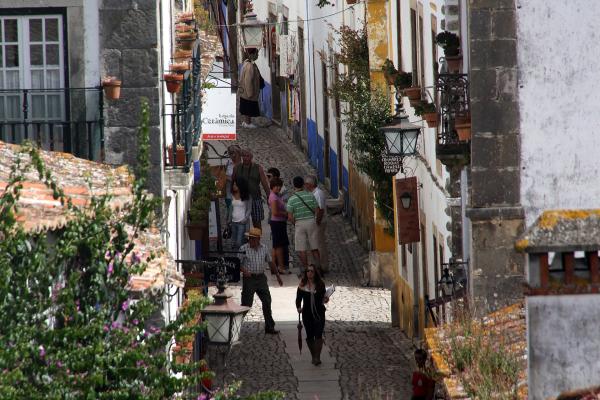
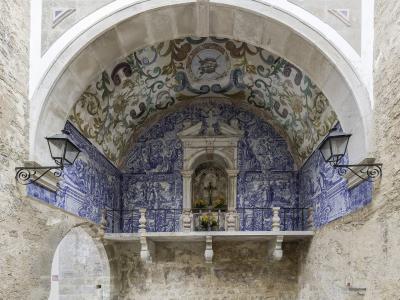
The Porta da Vila is the best starting point. The gate has a small chapel inside it and is decorated with 18th-century blue and white azulejo panels, and the doorway is set at an angle to slow down attackers. Passing through it, you step straight into the lane, which is narrow, paved with cobblestones and lined on both sides with low whitewashed houses. The walls are painted with bands of blue or yellow, and the doorways and windows are decorated with geraniums and bougainvillea that spill over from pots and balconies in spring and summer. The overall effect is picturesque and slightly theatrical, which is why Óbidos is one of the most visited small towns in Portugal.
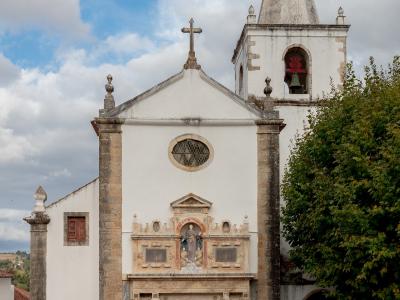
Medieval Óbidos has a distinctive history. King Dinis gave the town to his wife, Queen Isabel, in 1282 as a wedding gift, and for centuries it was part of the dowry of Portuguese queens, which brought it royal attention and wealth. The tradition continues in the name of the town's old hotels and in its pride. Along Rua Direita, the buildings house shops selling ceramics, textiles, cork products, lace and souvenirs, as well as small galleries, cafes and bars. The street is also known for its bookshops: in 2015, Óbidos was named a UNESCO Creative City of Literature, and several old buildings have been converted into bookstores, among them a former church, now a bookshop, near the end of the street.
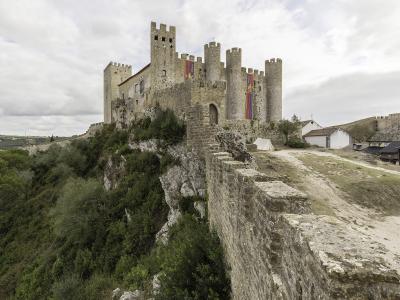
The local speciality is ginja, a sour cherry liqueur, which is sold in small shops and drunk from tiny edible chocolate cups. Having a shot as you wander is almost obligatory, and the little chocolate cup is eaten afterward. Many shops offer a taste before you buy. The street leads to the main square, where the Church of Santa Maria and the municipal museum stand, and beyond it the castle, now a pousada hotel, with walls that can be walked.
Rua Direita is busy, especially in the middle of the day, when tour buses arrive, so early morning and late afternoon are more peaceful. The cobbles are uneven and steep, making it difficult for wheelchairs and for walking in unsuitable shoes. Allow about an hour for the street and its side lanes. It suits anyone who enjoys small medieval towns, shopping for crafts and a taste of local liqueur.
Categories
More photos coming soon
Nearby Attractions
Other places to visit in Óbidos
Questions people ask
Quick Facts
Best Time to Visit
Spring (March-May) and early autumn (September-October) offer mild weather, fewer crowds, and vibrant festivals for exploring Óbidos’ medieval streets and castle.