


Santa Maria De Marvila Church
12th-century Templar church with azulejo panels
The Igreja de Santa Maria de Marvila is one of the oldest churches in Santarém, and it shows how a medieval building can be reshaped by successive generations. It stands in the Largo de Marvila, in the upper town, and its origins go back to the 12th century, after Afonso Henriques captured Santarém from the Moors in 1147 in a daring night attack. The church was founded soon after, and the name Marvila is thought to come from an Arabic or Mozarabic place name for the neighbourhood, a legacy of the earlier population.
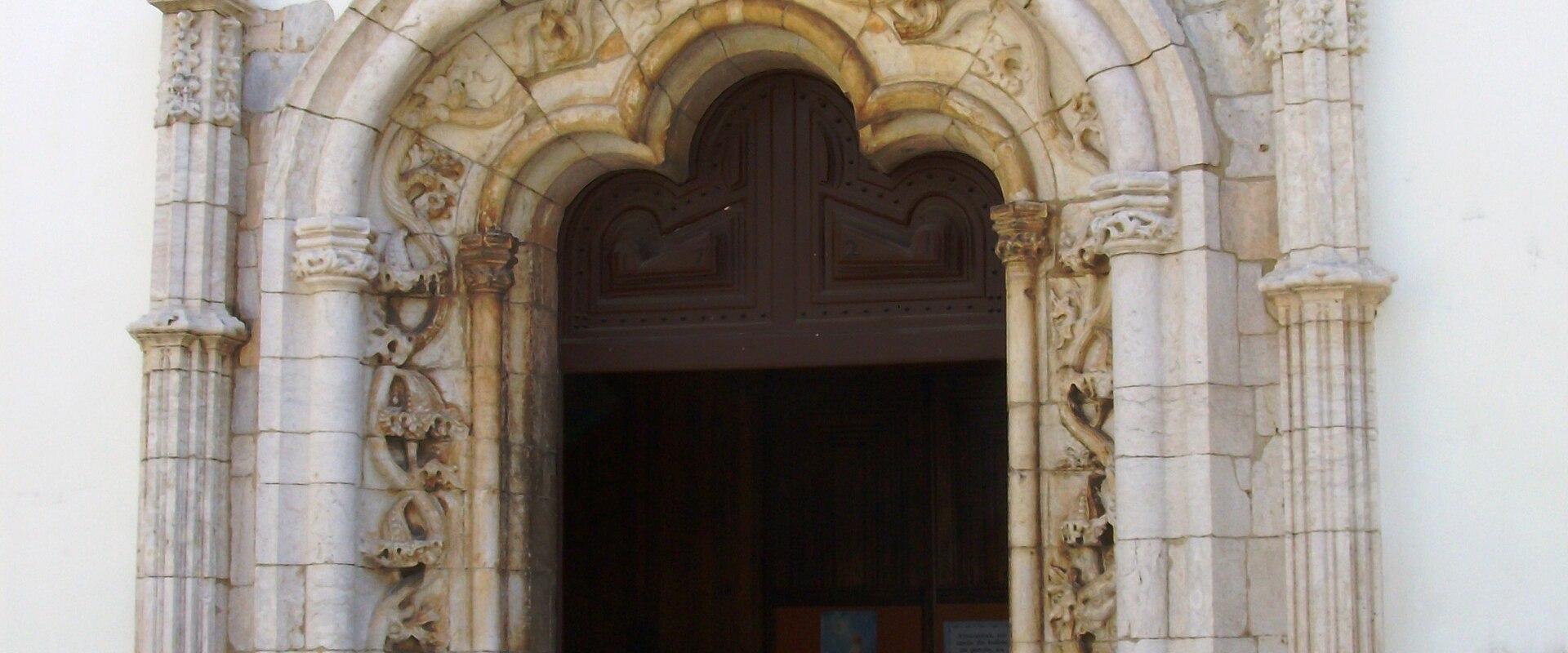
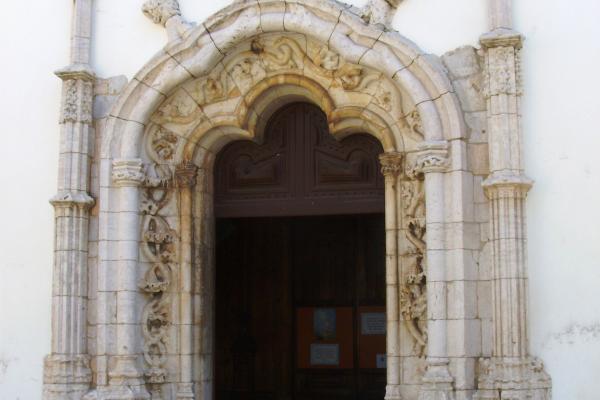
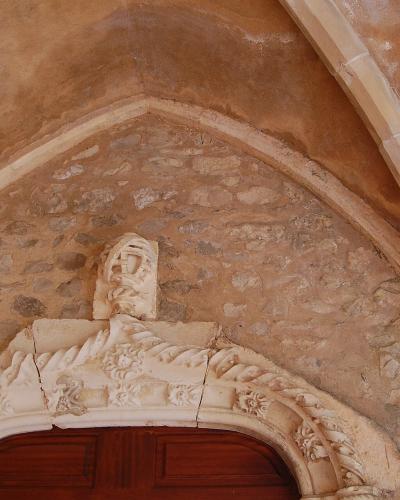
The visible structure belongs mainly to the 16th century, when the church was renovated in the reign of Manuel I. The most striking feature on the outside is the main doorway, in the Manueline style, with carved decoration of twisted columns, ropes, and plant motifs framing the entrance. The portal gives a hint of the richness within and shows the way in which Manueline sculptors transformed older buildings. The facade is otherwise plain, with a modest bell tower, and the church has a sober exterior that fits the surrounding streets.
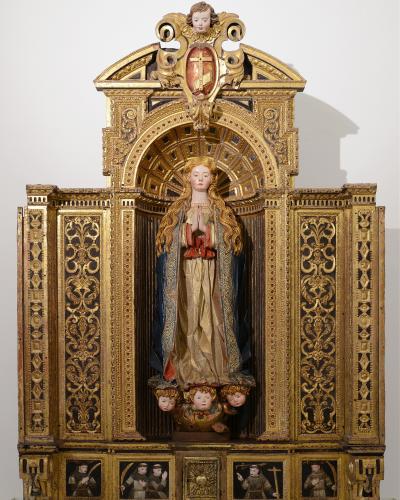
Inside, the surprise is colour. The walls of the nave are covered with azulejo tile panels of the 17th century, in a pattern of blue, yellow, and white that reaches from the floor to the ceiling in a carpet-like arrangement, and the effect is of a space lined with painted ceramic. The tiles, which were produced in Lisbon workshops, add warmth and brightness to the building and are among the finest in Santarém. A triumphal arch marks the entrance to the chancel, and ribbed vaulting over the sanctuary adds a Gothic note, a reminder of the church's earlier phases. Altarpieces and sacred images complete the decoration.
Santarém is sometimes called the capital of Portuguese Gothic, because it has so many medieval churches, and Marvila is part of a group that can be seen in a short walk. The Igreja da Graça, with its famous rose window, the church of the Santíssimo Milagre, the convent of São Francisco, and the viewpoint of the Portas do Sol, over the Tagus plain, are all close by. The streets between them are quiet and pleasant.
The church is an active place of worship, and opening hours are limited, so check locally. Visitors should dress modestly and keep quiet. It suits history readers, tile lovers, and anyone who likes to explore small churches. Allow twenty minutes for the interior.
Categories
More photos coming soon
Nearby Attractions
Other places to visit in Santarém
Frequently Asked Questions
Quick Facts
Best Time to Visit
Spring (mid-April to mid-June) and autumn (mid-September to early October) offer mild weather and vibrant scenery for exploring Santarém’s historic sites.