Sete Cidades Village
19th-century village in a volcanic caldera
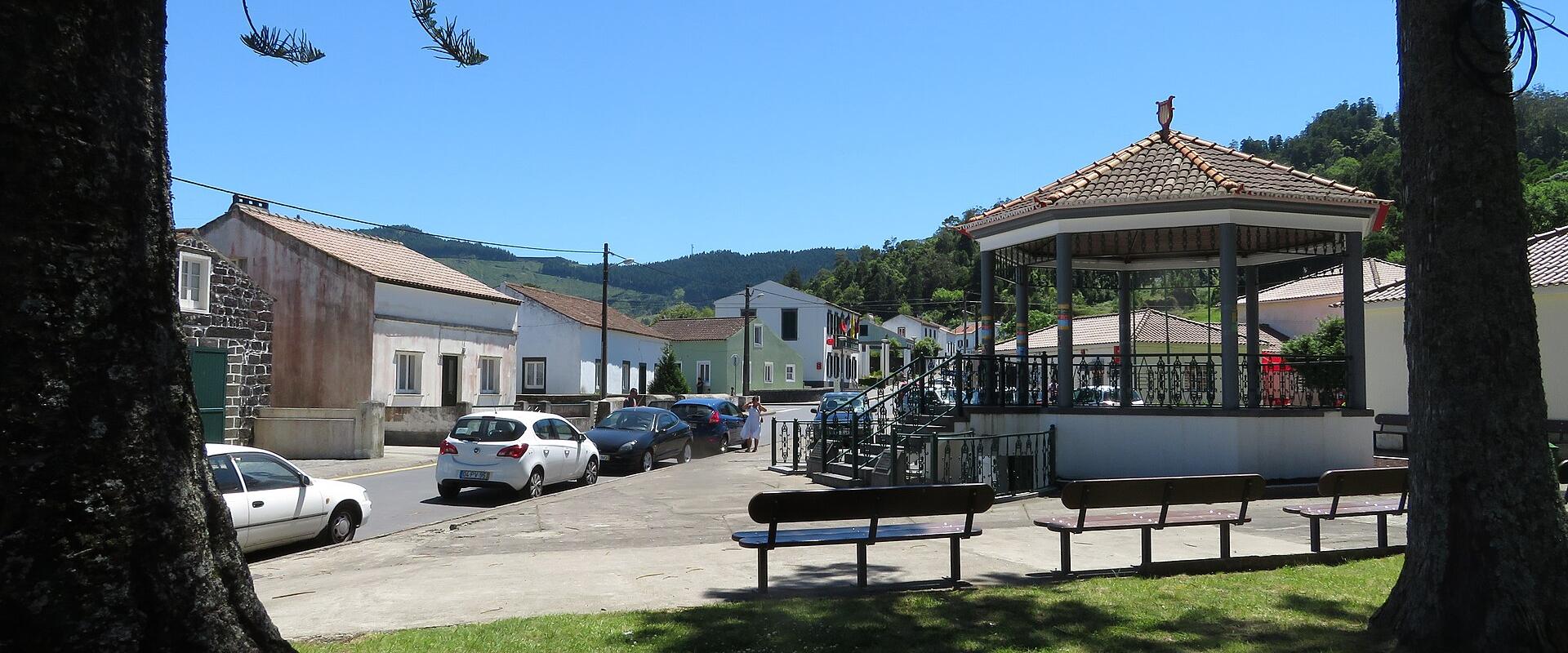
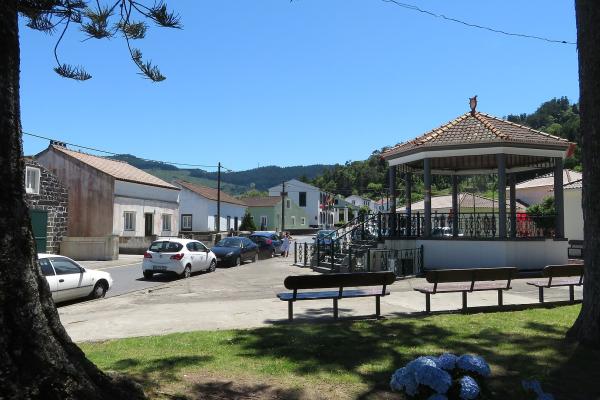
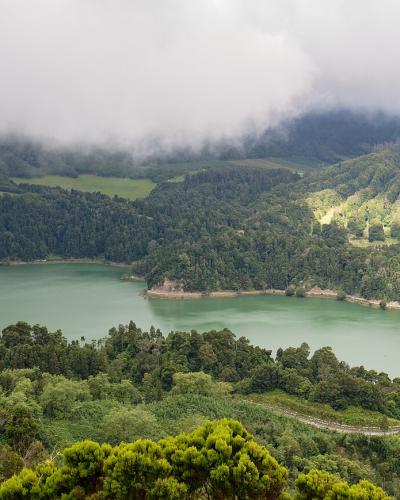
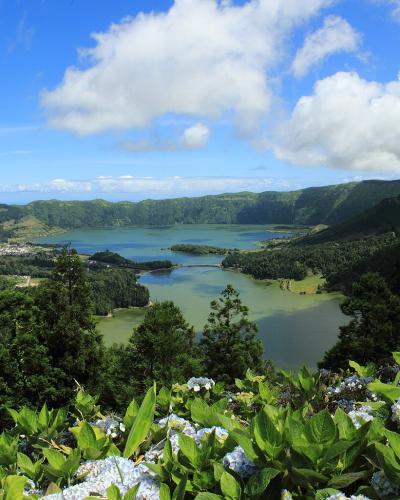
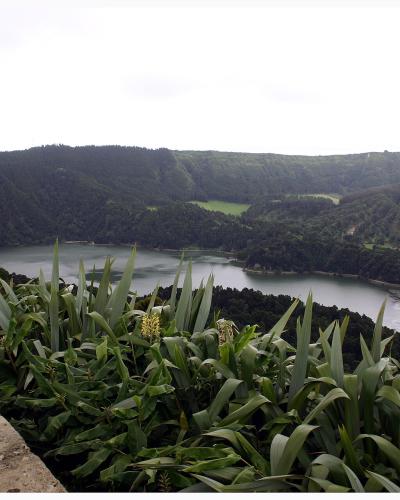
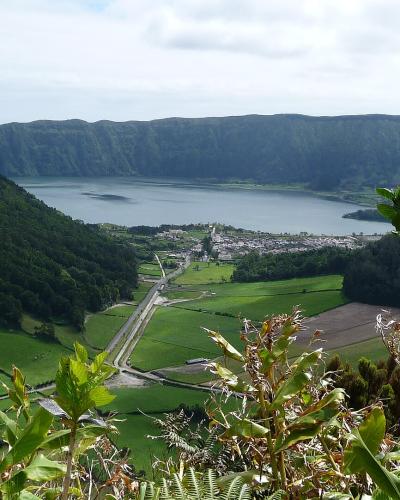
The village of Sete Cidades sits on the strip of land between the two lakes at the bottom of the great caldera of the same name, in the west of São Miguel, and it is the quietest and most atmospheric corner of the crater. The village has fewer than a thousand people, whose homes are scattered along a handful of streets lined with whitewashed houses with dark stone trim, and with hydrangea hedges that bloom blue and pink in summer. Its position is remarkable: the green lake and the blue lake lie on either side, the crater walls rise steeply behind, and the lake edges are fringed with reeds and grass.
The village grew in the 19th century, when the crater floor was settled by farmers who grazed cattle on the pastures, grew crops, and used the lakes for fishing. Its parish church of São Nicolau, built in the late 19th century in the neo-Gothic style, is the dominant building, with a slender tower and pale stone detailing, and it is one of the most photographed churches in the Azores. A small bridge links the two sides of the village across the narrow channel between the lakes, and it is here that many visitors take their pictures, standing where the two colours of water meet.
The name Sete Cidades means seven cities, and an old legend explains it. In the Middle Ages, it was said that seven bishops fled the Moorish conquest of Iberia with their followers across the Atlantic and founded seven cities on a mysterious island, called Antillia in some maps. Though the legend has no basis in fact, it was linked to the Azores in the imagination of sailors, and the name was given to the crater, which has an unreal, fairy-tale look.
For visitors the village is a base for several activities. A road circles the lakes, and walking and cycling routes lead up to the rim and to viewpoints such as the Vista do Rei, which is reached by a steep road or trail from the village. Kayaks and paddleboards can be hired in good weather. A few cafés and restaurants serve simple meals, with dishes such as fresh fish, cheese, and local sweets, and a couple of guesthouses offer accommodation for those who want to stay overnight and enjoy the quiet after the day-trippers leave.
The village is accessible by car and by organised tours, and it is open to everyone. Weather can change in minutes, with mist filling the crater, so bring layers and be patient. It suits walkers, photographers, and families.
Categories
More photos coming soon
Hours & Fees
Hours
Open 24/7 (public access to the area)
Admission
Free entry to the site
Nearby Attractions
Other places to visit in Sete Cidades
Frequently Asked Questions
Quick Facts
Best Time to Visit
Late spring to early autumn (April–October) offers mild weather, lush scenery, and the best conditions for hiking and lake views in Sete Cidades.