

The Prison, Lisbon
Historic prison turned museum of Lisbon
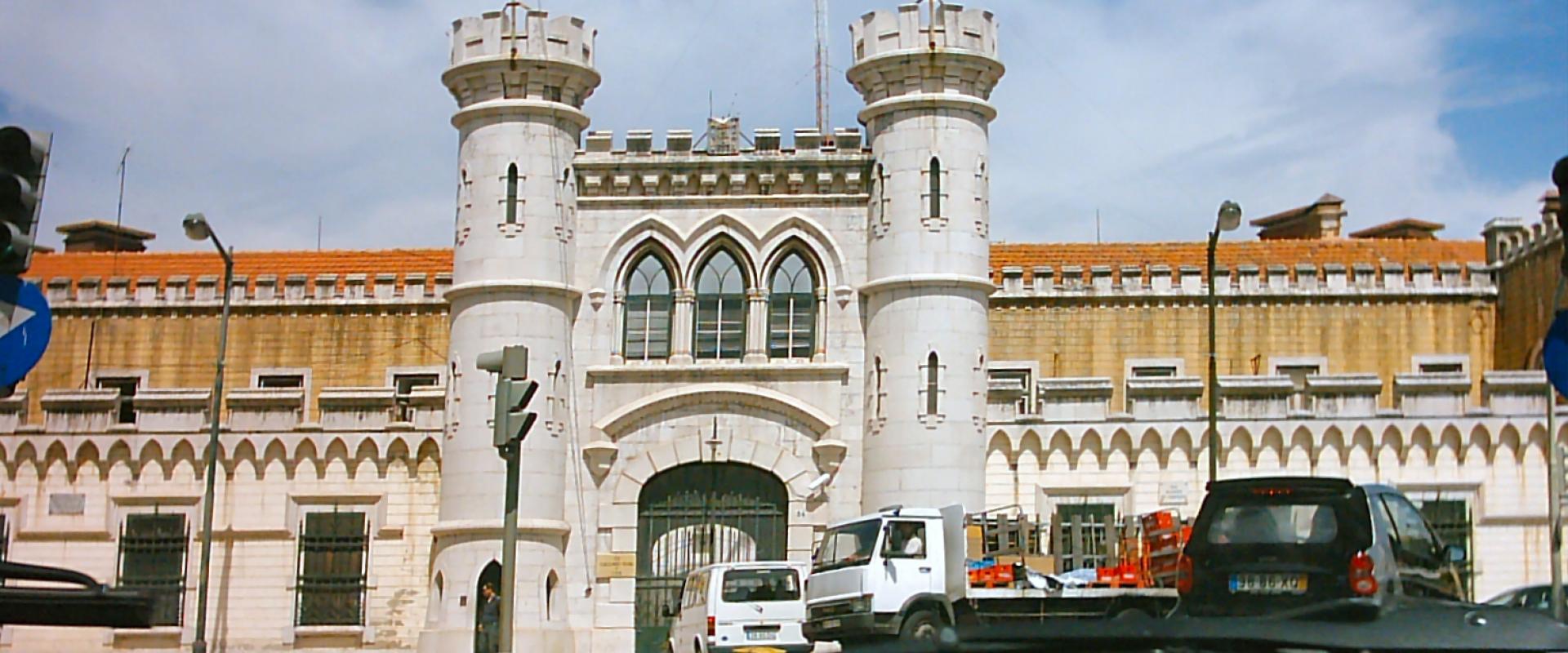
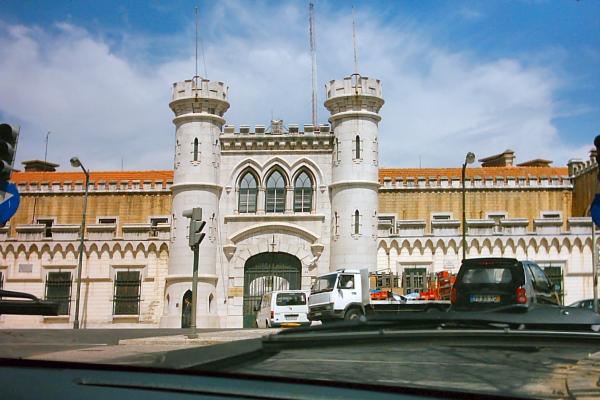
Lisbon is usually presented through its monuments, its views, and its food, but the city also has places that deal with a darker part of the 20th century, and the former prison in Alfama that is now a museum is among the most significant. It stands close to the cathedral, in the old streets of the oldest part of the city, and its history reaches back a long way. The building was originally an ecclesiastical prison, a place where the church held offenders, and in the 20th century it was taken over by the state and used as a political prison under the authoritarian regime known as the Estado Novo.
That regime, led for decades by António de Oliveira Salazar and later Marcelo Caetano, ruled Portugal from 1933 until it was overthrown by the Carnation Revolution of 25 April 1974. It censored the press, banned political parties, and maintained a secret police that arrested, interrogated, and imprisoned opponents. In the decades of the dictatorship, many people were held in this building, among them communists, republicans, students, trade unionists, and others who spoke out against the regime. The prison later became a women's prison before being closed.
Today the building houses a museum dedicated to the memory of the resistance and the struggle for freedom. Visitors can see preserved cells and areas, and exhibitions document the methods of repression, the lives of political prisoners, and the ways in which people resisted. Testimonies, documents, photographs, and objects tell personal stories, and films add detail. The museum is sober, and the tone is educational rather than sensational, with a focus on remembering victims and explaining how the dictatorship worked and how it ended. A terrace on the upper level offers a view over the roofs of Alfama toward the river, and provides a moment of calm after the exhibitions.
The museum is a short walk from the cathedral and other sights of Alfama, so it fits easily into a day in the old town. Opening days are generally Tuesday to Sunday, with hours in the daytime, and tickets are inexpensive, but check current details before visiting. It is particularly meaningful for visitors interested in modern history, politics, and human rights, and it provides context for understanding present-day Portugal. The content can be heavy, so it may not suit very young children.
Categories
More photos coming soon
Hours & Fees
Hours
Tue–Sun, 09:30–17:30
Admission
€18 standard; free with Lisboa Card
Nearby Attractions
Other places to visit in Lisbon

Frequently Asked Questions
Quick Facts
€18 standard
Free with Lisboa Card.
Best Time to Visit
March to May and September to October offer warm weather, fewer crowds, and ideal conditions for sightseeing and outdoor activities in Lisbon.