
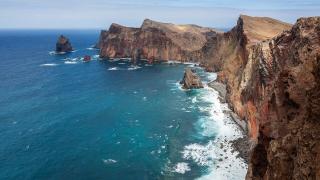
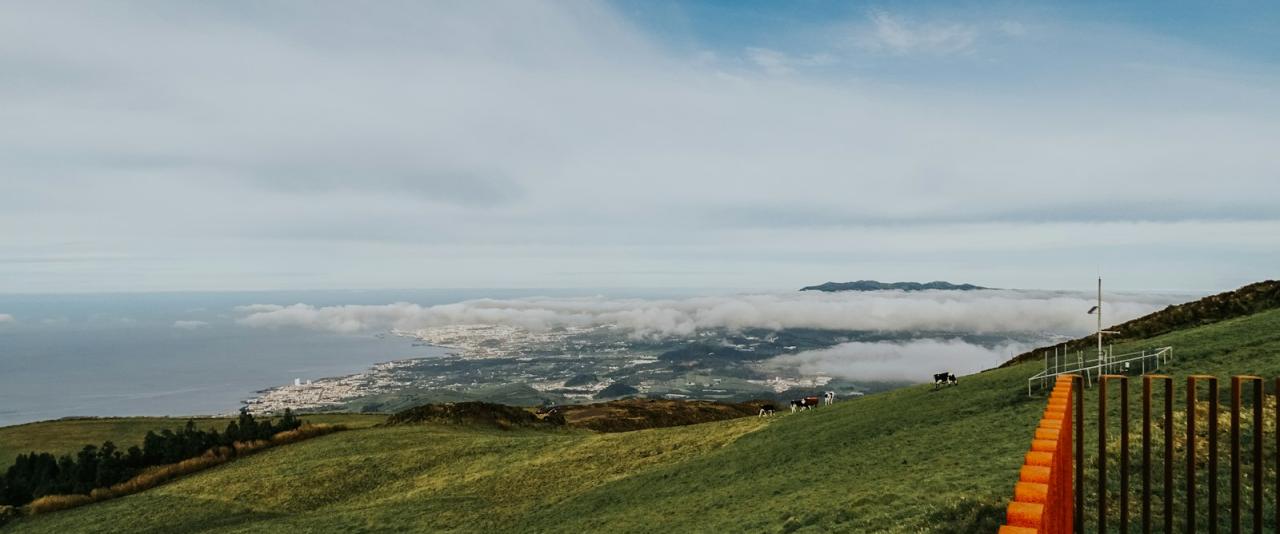
Winter in the Azores is mild rather than cold. On São Miguel, daytime temperatures usually sit in the mid-teens Celsius, rain comes and goes in bands, and the volcanic ground keeps several thermal pools at bath temperature all year. That combination makes the islands a sensible winter choice for a slow, restorative trip built around hot springs, walking and good food, without the summer crowds.
Why Go in Winter
The main appeal is quiet. Between November and March there are fewer visitors at the hot springs and viewpoints, accommodation is easier to find, and the green of the islands is at its deepest after the rain. The trade-offs are real, though: days are shorter, fog can hide crater lakes such as Sete Cidades and Lagoa do Fogo for hours, and Atlantic storms occasionally cancel flights or close trails. Build slack into your plans and treat the weather as part of the trip. Bring a waterproof jacket, a warm layer, swimwear you do not mind staining, and shoes with grip for wet paths.
Furnas: The Heart of Thermal São Miguel
The village of Furnas, in a volcanic valley in the east of São Miguel, is the obvious base. Its streets steam from fumaroles, and three bathing options sit within walking distance of each other.
- Terra Nostra Park is a historic botanical garden with a large, iron-rich thermal pool the colour of strong tea, plus smaller jacuzzi-style pools. The water is warm enough to enjoy on a grey December afternoon, and the gardens' camellias flower in winter.
- Poça da Dona Beija is a set of small thermal pools beside a stream. It stays open into the evening (until around 11pm), which makes it the one to choose for a soak after dark. Tickets are now sold online in timed slots, so book ahead.
- Furnas Boutique Hotel has its own thermal water pools and spa, mainly for hotel guests; ask the hotel whether day access for non-guests is available.
Iron in the water leaves orange marks on light fabrics, so wear dark swimwear and bring an old towel. Showers are available at the pools.
Other Hot Springs on São Miguel
Beyond Furnas, two more sites are worth the drive:
- Caldeira Velha, on the road from Ribeira Grande up towards Lagoa do Fogo, is a nature reserve where a warm waterfall drops into a bathing pool surrounded by tree ferns. Entry is managed through the Azores parks ticketing system and slots can sell out, so reserve a couple of days in advance.
- Ponta da Ferraria, on the far western tip of the island near Ginetes, is a natural rock pool where a hot spring mixes with the ocean. It is free, but it only works at the right tide: around low tide the water is warm, at high tide the sea cools it down. In rough winter seas the pool can be unsafe, so watch the swell and use the ropes provided.
Walking, Gardens and Tea
Gentle exercise is half of a wellness trip here. Short trails around Lagoa das Furnas, including the walk to the Mata-Jardim José do Canto garden and its lakeside chapel, are manageable even after rain. On clearer days, the rim walks above Sete Cidades and the paths around Lagoa do Fogo offer wide views. Check the official Azores trails website before setting out, because winter storms sometimes close routes for repairs.
On the north coast, the Gorreana tea estate near Maia has grown tea since the 19th century. Visitors can walk among the bushes and see the old processing machinery, and the estate offers its tea free to taste.
Eating Well in Furnas
Food is part of the reset. At the Caldeiras on the shore of Lagoa das Furnas, local restaurants bury pots of meat and vegetables in the hot ground for several hours to make cozido das Furnas. You can watch the pots being lifted out around late morning, then eat the dish at one of the restaurants in the village. Fresh fish, local cheese from São Jorge and Azorean pineapple, grown in greenhouses near Ponta Delgada, round out a simple and filling diet. Many cafés also sell bolos lêvedos, slightly sweet muffins from Furnas.
Spas Beyond São Miguel
If you want to see more than one island, Graciosa has the Termas do Carapacho, a small thermal spa on the island's southern tip using naturally warm water. In winter, inter-island ferries are limited, so plan to fly between islands with the regional airline. Allow extra days in case flights are delayed by weather.
Practical Planning
- Getting there: Ponta Delgada on São Miguel has direct flights from Lisbon and Porto all year, and seasonal or year-round links to other European cities.
- Getting around: Rent a car. Buses exist but are infrequent, and the hot springs are spread across the island. Furnas is under an hour's drive from Ponta Delgada.
- How long: Five to seven days on São Miguel lets you visit each hot spring at an unhurried pace and wait out a wet day or two.
- Booking: Reserve timed tickets for Poça da Dona Beija and Caldeira Velha online, and check current opening hours, which can change in winter.