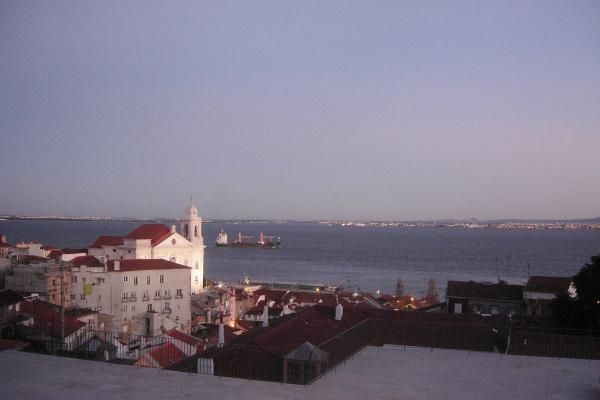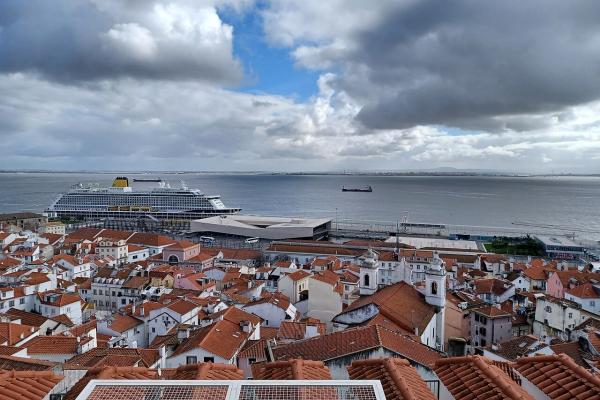
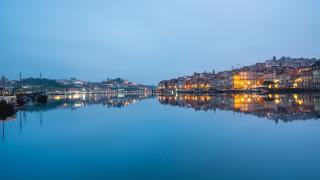
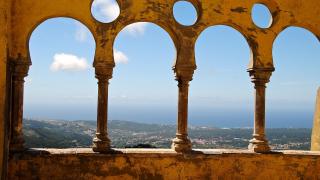
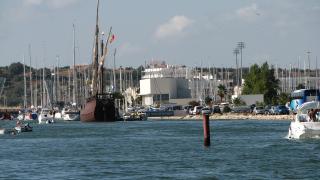
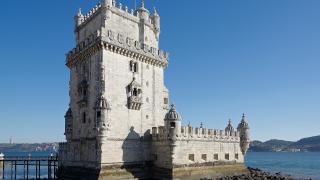

Alfama is Lisbon's oldest neighbourhood, a steep tangle of lanes, stairways and small squares running down from the São Jorge Castle to the Tagus. Its street plan dates from the Moorish period, and because the district sits on solid rock, much of it survived the 1755 earthquake that flattened the lower city. Today it is the best place in Lisbon to wander without a plan, hear fado and eat simply. Here is how to make the most of it.
Getting There and Finding Your Way
The easiest approach is from above: take tram 28 or 12E to the Largo das Portas do Sol stop, or ride up to the castle, then walk downhill through the district. From the Baixa, a pair of free public lifts climbs from Rua dos Fanqueiros towards the castle area. At the bottom, Santa Apolónia metro station (blue line) and the riverside are a short walk from Largo do Chafariz de Dentro. Street signs are few and lanes double back on themselves, so allow extra time and accept that getting a little lost is part of the visit. Wear shoes with grip, because the worn limestone paving is slippery, especially after rain.
Viewpoints and Landmarks
- Lisbon Cathedral (Sé), a fortress-like Romanesque church from the 12th century, marks the western edge of Alfama.
- Miradouro de Santa Luzia has a pergola, tiled panels showing old Lisbon and a view over Alfama's rooftops to the river.
- Miradouro das Portas do Sol, a few steps away, looks across to the white dome of the National Pantheon.
- Castelo de São Jorge crowns the hill above; entry is paid and queues build by late morning.
- São Vicente de Fora, just east of Alfama, is a monastery whose cloisters are lined with 18th-century azulejo panels.
- The National Pantheon (Igreja de Santa Engrácia) has a rooftop terrace with wide river views.
Azulejos and Street Life
Alfama is a good place to look closely at azulejos, the painted ceramic tiles that cover facades, church interiors and viewpoint walls. Look for religious tile panels set into house fronts, often showing saints or the Virgin, which were placed there for protection. On Tuesdays and Saturdays, the Feira da Ladra flea market fills Campo de Santa Clara next to São Vicente with stalls selling old tiles, records, books and bric-a-brac. Go in the morning; many sellers pack up by early afternoon.
Where to Hear Fado
Fado, the urban song of longing and loss that UNESCO lists as intangible cultural heritage, has deep roots in Alfama. Start at the Museu do Fado on Largo do Chafariz de Dentro, which explains the history of the genre, its guitars and its great singers; check its opening days before going.
For live performances, the district has several established fado houses:
- Clube de Fado, near the cathedral, is a well-known dinner venue with professional singers.
- Mesa de Frades, in a small former chapel lined with azulejos, starts late in the evening and has a more intimate feel.
- Parreirinha de Alfama is one of the district's long-running fado houses.
Most fado houses expect you to dine or meet a minimum spend, and prices are higher than ordinary restaurants. Book ahead, arrive on time and stay quiet during the songs; talking while someone sings is considered rude. For a more informal evening, look for nights of fado vadio, where amateur singers take turns in small taverns.
What to Eat and Drink
Alfama's food is straightforward Portuguese cooking. Look for small family restaurants and tascas serving grilled fish, bacalhau à brás (shredded salt cod with egg and potato), caldo verde (kale soup) and pork dishes. Lunch menus with a prato do dia (dish of the day) are usually the best value. Before eating, note that bread, olives or cheese brought to the table at the start are charged if you eat them; you can send them back. Finish with a pastel de nata from a bakery, or a small glass of ginjinha, the sour-cherry liqueur sold from hatches and counters around the old town.
When to Visit
Alfama is busiest in the middle of the day, when tour groups pass through the main viewpoints. Early mornings are quiet and cool, and late afternoons bring warm light over the river. In June, the district hosts Lisbon's biggest street party, the Festas de Santo António, peaking on the night of 12–13 June: streets are hung with garlands, and makeshift stalls grill sardines and pour beer and wine until late. Book accommodation early if you want to stay in Alfama then, and expect noise.