Why Look Beyond the Ribeira
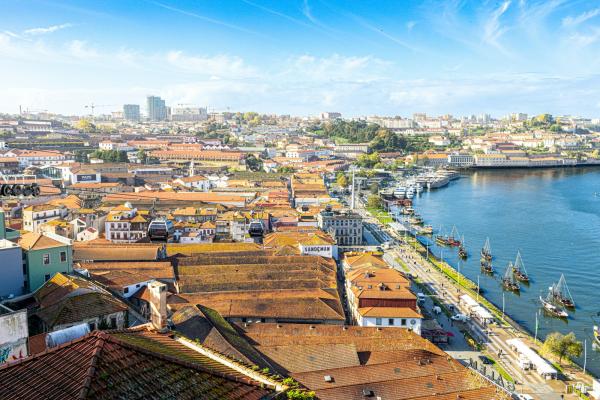
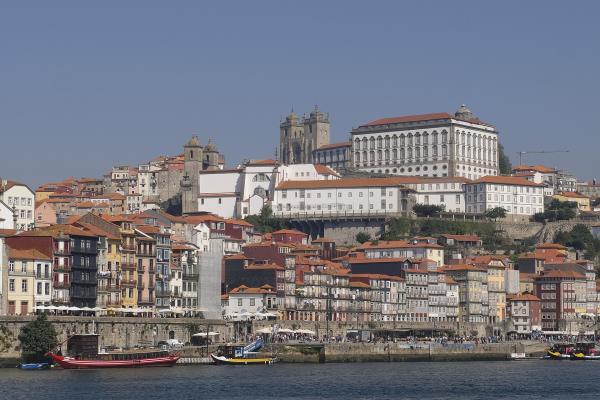
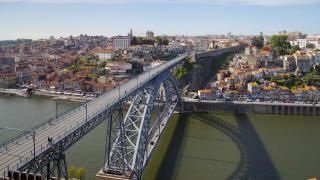
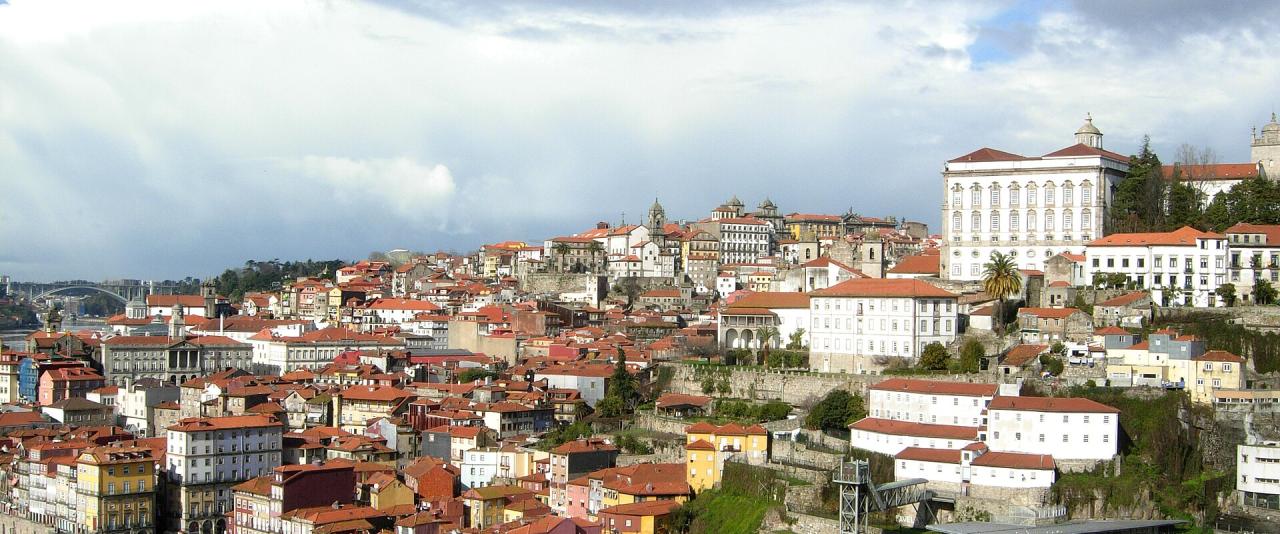
The Ribeira, Porto's riverside quarter below the Dom Luís I bridge, is part of the UNESCO-listed historic centre and the first stop for most visitors. It is also the busiest part of the city. A short walk or tram ride away are neighbourhoods, gardens and museums that see far fewer tour groups and show more of everyday Porto. All the places below are well known to locals, and easy to reach on foot, by metro, bus or tram.
Miragaia and the Riverside West
Just west of the Ribeira, Miragaia is an old riverside neighbourhood of narrow lanes, stairways and tall houses with laundry hanging from the windows. It was historically outside the medieval walls and home to fishermen and merchants. The Alfândega, the former customs house on the river, now holds a transport and communications museum and a congress centre.
Above Miragaia, the Jardim das Virtudes is a terraced garden on a steep slope with a view over the river towards Gaia, popular at sunset. The Miradouro da Vitória, a small viewpoint in the old Jewish quarter, looks across the rooftops to the cathedral and the river.
Fontainhas and the East
East of the centre, the Fontainhas area sits on the hillside above the river near the Infante Dom Henrique bridge. Its terraces and small houses form one of the main stages of the São João festival in June. Further east, Bonfim is a residential district with older cafés, small restaurants and a growing number of independent shops.
Gardens of the Palácio de Cristal
The Jardins do Palácio de Cristal occupy a hilltop west of the centre. The original crystal palace was demolished in the 1950s and replaced by a domed sports pavilion, but the 19th-century gardens remain, with shaded paths, peacocks and terraces looking down the Douro towards the sea. Entry to the gardens is free. The nearby Rua Miguel Bombarda is lined with contemporary art galleries, design shops and cafés.
Markets, Museums and Modern Architecture
The Mercado do Bolhão, the city's main 19th-century market, reopened in 2022 after a long restoration. It sells fish, meat, fruit, flowers and local products, and has small restaurants on its upper level. It is in the shopping area around Rua de Santa Catarina, and is busy but much more local than the riverside.
To the west, the Serralves Foundation combines a contemporary art museum designed by Álvaro Siza with an Art Deco villa and a large park with gardens, woodland and a treetop walk. The Casa da Música, a concert hall designed by Rem Koolhaas and opened in 2005, offers guided tours and a full concert programme. Check opening hours and ticket prices on the official sites.
Foz do Douro and Matosinhos
Where the Douro meets the Atlantic, Foz do Douro is a residential seaside district with a long promenade, small beaches between rocks, lighthouses at the river mouth and the Pérgola da Foz along the seafront. Historic tram line 1 runs along the river from near the Ribeira to Foz, a scenic and slow ride.
North of Foz, Matosinhos is a fishing town with a large sandy beach popular with surfers. Its streets near the port are known for restaurants that grill fish and seafood outdoors. The metro reaches Matosinhos from the city centre.
Back in the centre, on the Gaia side of the Dom Luís I bridge, the Mosteiro da Serra do Pilar, a 16th- and 17th-century monastery with a circular church, stands on a hill. Its terrace gives the classic view of the Ribeira and the bridge. Walk across the bridge's upper deck, which carries the metro and pedestrians, to reach it.
Practical Tips
- Combine walking and transport. Porto is very hilly. Use the metro, buses and tram 1 to reach outer areas, and walk within each neighbourhood.
- Use an Andante card for the metro and buses; tram 1 is a historic line with separate tickets.
- Go early or late for viewpoints, which are quieter at the start and end of the day.
- Check opening hours, as markets, museums and the Serralves park have seasonal schedules.
- Eat where locals eat. Away from the riverside, small family restaurants (tascas) serve set lunches on weekdays, and the francesinha, Porto's meat-filled sandwich covered in cheese and sauce, is found across the city.
Porto's outer neighbourhoods are generally safe, but normal precautions apply on public transport and in nightlife areas. Many of these places can be combined in a day: for example, Bolhão and Santa Catarina in the morning, Miragaia and the Palácio de Cristal gardens after lunch, and tram 1 to Foz for sunset over the Atlantic.