How Safe Is Portugal?
Portugal is one of the safest countries in Europe for travellers. In the 2026 Global Peace Index, published by the Institute for Economics and Peace, it ranked 7th in the world. Violent crime against visitors is rare. The problems most travellers encounter are petty theft in crowded tourist areas and a handful of small scams, plus natural hazards such as strong Atlantic waves and summer wildfires.
Pickpockets and Petty Theft
Pickpocketing is the most common crime affecting visitors, concentrated in Lisbon and Porto. Places to be careful include:
- Tram 28 in Lisbon and the queues at its stops, which are well known for pickpockets.
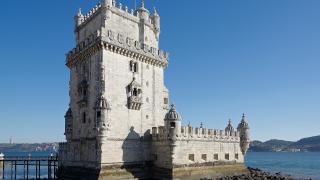
- Crowded viewpoints, the Baixa, Rossio and the Belém area in Lisbon.
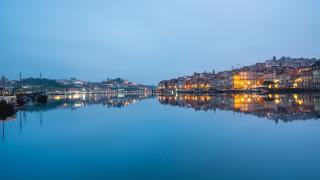
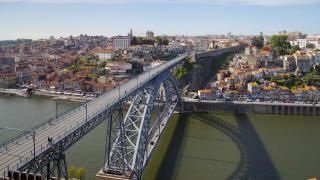
- The Ribeira and São Bento station area in Porto.
- Metro and train stations and busy airport arrivals halls.
- Festivals and nightlife areas, such as Bairro Alto, especially late at night.
Keep bags zipped and in front of you, avoid putting phones on café tables, and leave passports in the hotel safe when you do not need them. In rental cars, never leave belongings visible, particularly at beach and viewpoint car parks.
Common Scams
- Fake drug sellers. In central Lisbon, especially in the Baixa and around Rossio, men quietly offer passers-by drugs. What they sell is often fake, such as bay leaves or flour, and buying drugs is illegal. Ignore them and keep walking.
- Restaurant couvert. Many restaurants put bread, olives, butter or cheese on the table when you sit down. This couvert is not free. You only pay for what you eat, so if you do not want it, ask for it to be taken away.
- ATMs and currency conversion. Independent ATMs in tourist areas can charge high fees. Use bank ATMs marked Multibanco, and when a machine or card terminal offers to charge you in your home currency, choose euros to avoid poor exchange rates.
- Unlicensed transport. Use licensed taxis (black and green or beige), official ride-hailing apps or public transport. Agree on using the meter in taxis.
- Clipboard petitions and "friendship" bracelets, which can be a distraction for theft. Politely decline.
Beach and Sea Safety
Portugal's Atlantic coast has strong currents and large waves. Swim at beaches with lifeguards during the bathing season, and follow the flag system: green means swimming is allowed, yellow means you can paddle but not swim, and red means no entering the water. At Nazaré, the giant winter waves at Praia do Norte are for watching from the cliffs only.
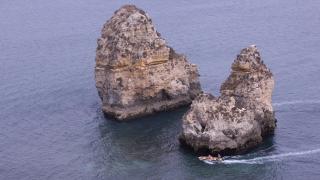
In the Algarve and elsewhere, sandstone cliffs can collapse. Respect warning signs and do not sit or lie at the foot of cliffs or walk close to cliff edges.
Wildfires and Heat
Summer brings a risk of wildfires, especially in the central and northern interior, typically from June to October. During periods of high risk, the authorities can restrict access to forests and ban the use of fire. Follow local news and the civil protection authority, and avoid barbecues or smoking in wooded areas. Heatwaves can push temperatures above 40°C inland; carry water and plan outdoor activities for mornings and evenings.
Hiking and the Islands
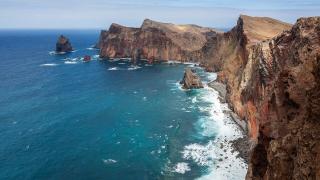
On Madeira and the Azores, mountain weather changes quickly and some paths have exposed sections. Use official trails, check if they are open before setting out, carry water and a waterproof layer, and tell someone your plans.
Emergencies and Reporting
- 112 is the single emergency number for police, ambulance and fire, free from any phone.
- Tourist police: Lisbon's PSP runs a tourist police station in the Palácio Foz at Restauradores, used to dealing with visitors and reports in English.
- Reporting theft: File a police report promptly; you will need it for insurance claims and replacement documents.
- Lost passports: Contact your embassy or consulate in Lisbon.
Travel insurance with medical cover is advisable for all visitors. EU citizens should carry their European Health Insurance Card, which gives access to the public health system.
For non-urgent medical questions, the national health line SNS 24 (808 24 24 24) gives advice by phone and can direct you to the right service. Pharmacies (farmácias, marked with a green cross) are common, and pharmacists can advise on minor problems; a rota of duty pharmacies stays open at night. Tap water is safe to drink across mainland Portugal and the islands. Women travelling alone generally report feeling safe, though the usual care late at night in nightlife areas applies.