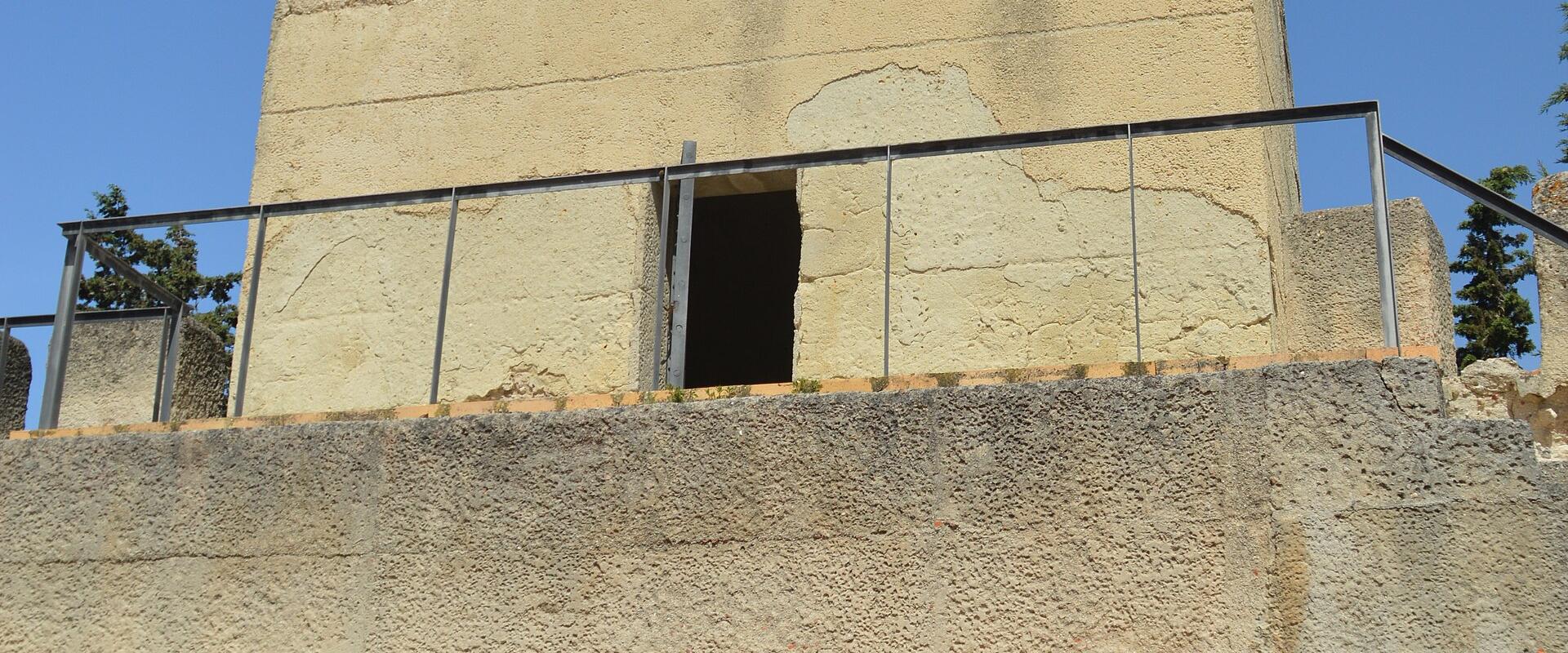
Castelo De Alcácer Do Sal
Moorish castle on the River Sado
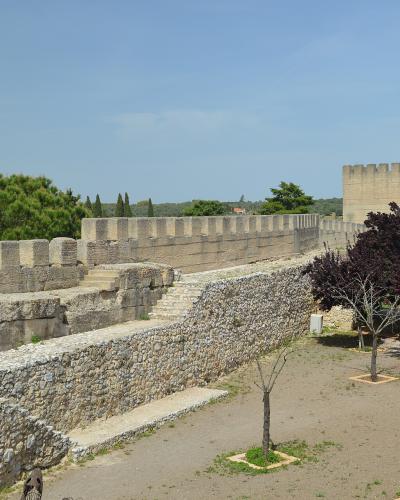
The castle of Alcácer do Sal crowns the hill above the town and the Sado river, and its walls can be seen from far across the flat ricelands that surround it. The hill is the oldest part of the settlement, and the history of the fortress is the history of the town: Phoenician traders, Romans, Visigoths, Muslims and Christians all held this ground, and each left something behind. What you see today is mainly the result of the Islamic period and of the later Christian changes.
The Muslim fortress was one of the strongest in the region. Under the name al-Qasr, the town was an important base on the road between the Atlantic coast and the interior, and in the 12th century, the Almohads rebuilt and strengthened its defences. The castle was laid out in an elliptical shape following the contours of the hill, with thick walls and towers, and it dominated the river crossing below. Christian forces, including crusaders on their way to the Holy Land and the knights of the Order of Santiago, captured it in 1217 after a long siege, a victory that opened the way to the south for the Portuguese kingdom. Afterwards, the Portuguese adapted the castle to their own use, and the Romanesque church of Santa Maria do Castelo was built inside the walls.
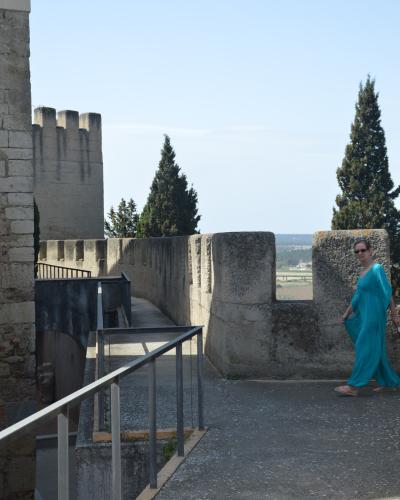
Over the centuries, the structure suffered from neglect, earthquake damage and the loss of its military role. In the 20th century, parts of it were restored, and the castle now contains a pousada, a hotel in a historic building, as well as the church and the archaeological crypt beneath. A walk along the walls and around the courtyards gives a sense of its size, and the views are among its main attractions. From the ramparts you look out over the town's whitewashed houses, the river, the rice fields and the flat country that runs toward the coast. Storks nest on towers and rooftops throughout the town, and in spring you can watch them tending their young.
At the foot of the hill, a riverside promenade and the old quarter offer cafes, restaurants and shops, and the local museum, named after the mathematician Pedro Nunes, who was born in Alcácer, is nearby. The river is the setting for boat trips into the Sado estuary, a major wetland where dolphins and flamingos can be seen.
Wear comfortable shoes for the climb and the uneven paving, and bring a hat in summer, as there is little shade on the walls. Opening times for different parts of the castle vary by season, so it is wise to check with the tourist office. The castle suits history lovers and photographers, and it is an easy stop on the road between Lisbon and the Alentejo or Algarve. Spring and autumn offer the best weather.
Categories
More photos coming soon
Nearby Attractions
Other places to visit in Alcácer do Sal
Frequently Asked Questions
Quick Facts
Best Time to Visit
Spring (March-May) and autumn (September-November) offer mild weather, ideal for sightseeing, boat tours, and exploring Alcácer do Sal’s historic and natural attractions.