Museu Municipal Pedro Nunes
Archaeological collections from prehistory to present
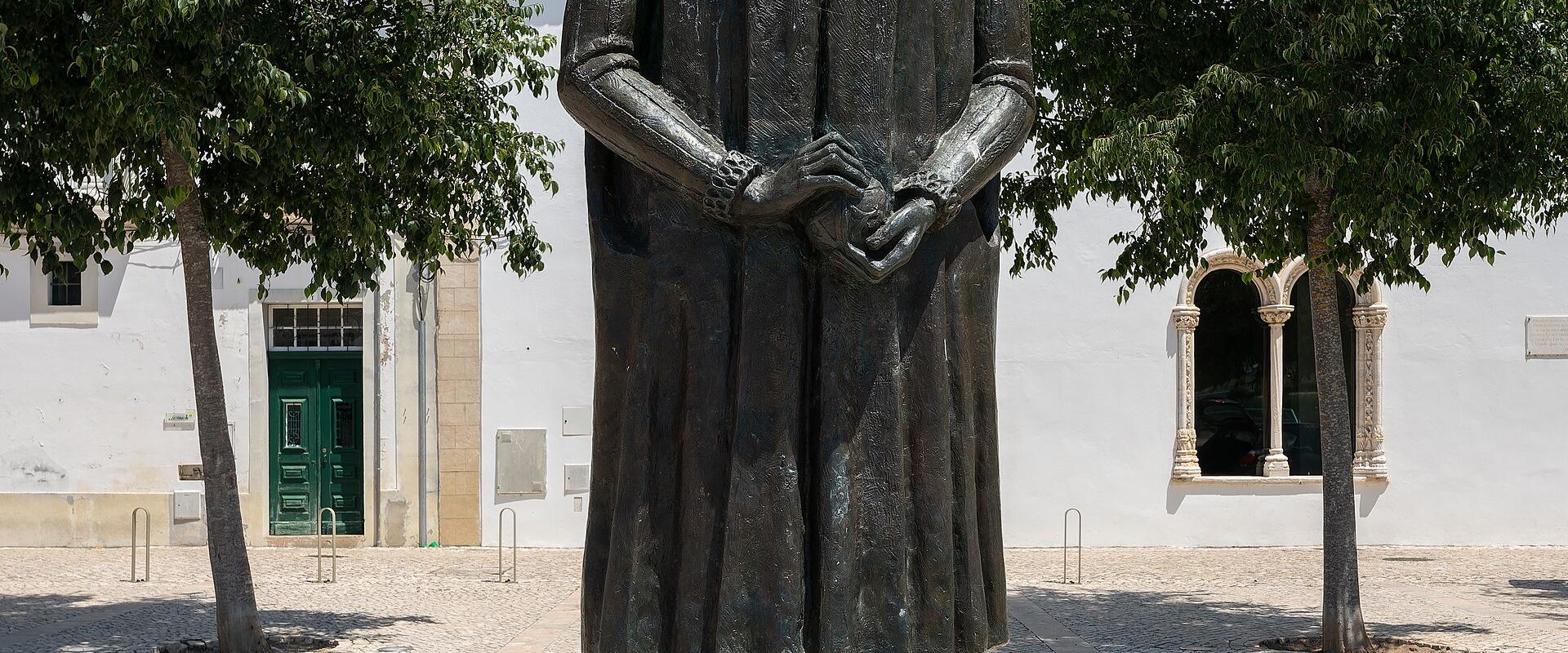
Alcácer do Sal lies on the Sado river, in the south of the Setúbal district, and its museum is named after the town's most famous son, Pedro Nunes. Born here in 1502, Nunes became one of the leading mathematicians and cosmographers of his age and royal cosmographer to the Portuguese crown. He taught at Coimbra, worked on navigation problems, and is remembered for explaining the loxodrome, the curved path a ship follows when it keeps a constant compass bearing, and for devising an instrument for measuring fractions of angles, known as the nonius. His work helped Portuguese pilots to understand the geometry of long ocean voyages, and a town that sent salt and ships to sea seems a fitting birthplace.
The museum itself is devoted to archaeology and local history, and it shows how long this stretch of the Sado has been inhabited. The town sits at a spot where the river is navigable from the sea, and its position made it an important trading point from early times. The collections run from prehistoric times to the present day, with particular strength in the Iron Age and Roman periods. In the first millennium BC, the settlement was in contact with Phoenician and Greek traders, who came for metals and salt, and in Roman times the town, called Salacia, was a significant port and a centre of fish-processing. The museum displays pottery, tools, jewellery, funerary objects, and inscriptions from these periods, giving a picture of daily life and trade.
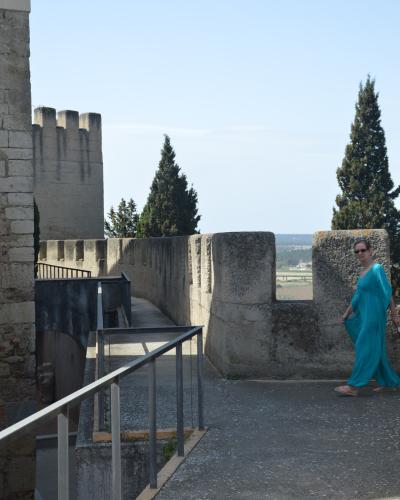
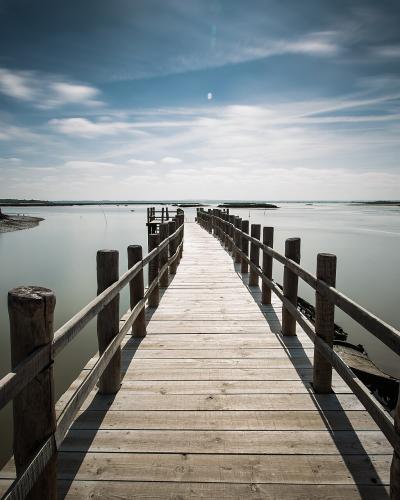
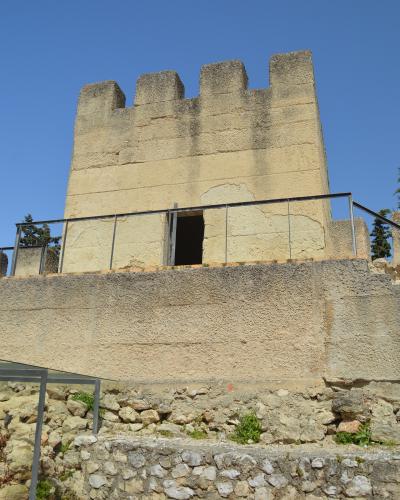
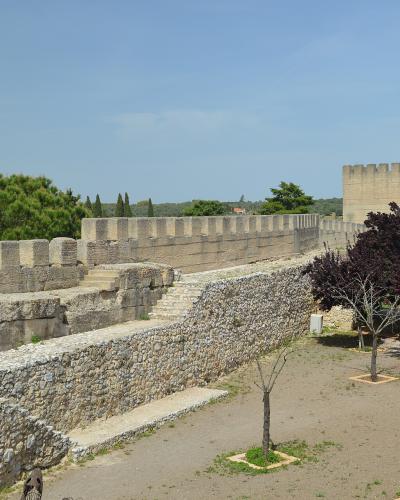
It is complemented by other sites in the town. The medieval castle on the hill, now a hotel, houses an archaeological crypt where traces of successive occupations from the Iron Age through the Roman and Islamic periods can be seen, and the nearby church of Santa Maria do Castelo is a fine building of the 13th century. The town's name comes from the Arabic for castle, with salt added in reference to the salt trade, and the salt pans in the estuary were important for centuries. A promenade along the river and boat trips on the Sado, with its dolphins and birdlife, make a pleasant addition.
The museum is in the town centre, in the Praça Pedro Nunes, and is easy to find on foot. Admission is free, and opening hours vary between winter and summer, with a lunch closing, so check ahead.
It suits history readers, families, and travellers exploring the Alentejo coast, and a visit takes about an hour.
Categories
More photos coming soon
Admission Fees
Admission
Free admission
Nearby Attractions
Other places to visit in Alcácer do Sal
Frequently Asked Questions
Quick Facts
Best Time to Visit
Spring (March-May) and autumn (September-November) offer mild weather, ideal for sightseeing, boat tours, and exploring Alcácer do Sal’s historic and natural attractions.