Sado Estuary Nature Reserve
Wetland reserve with resident dolphins
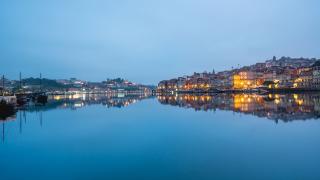
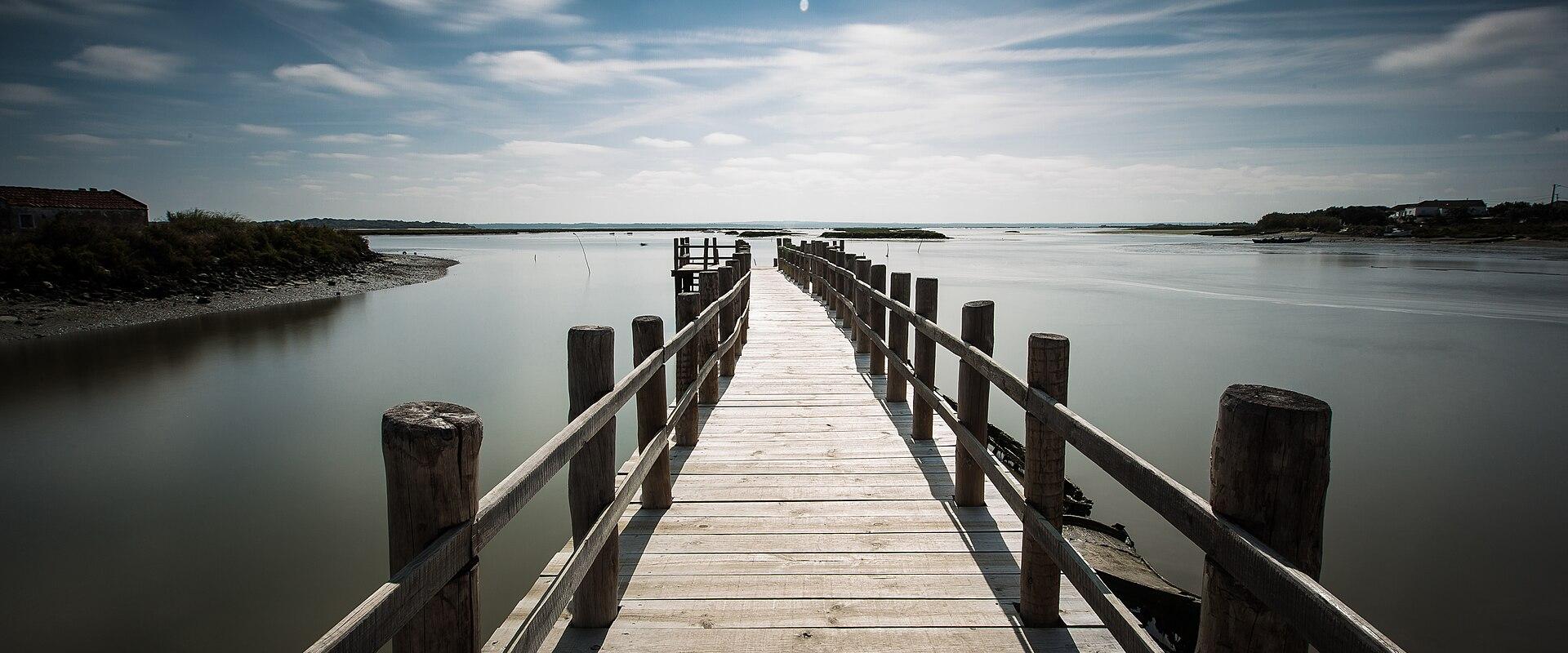
The Sado is a slow, wide river that reaches the Atlantic through one of the largest estuaries in Portugal, south of Setúbal. The Sado Estuary Nature Reserve, created in 1980, protects some 23,000 hectares of this landscape: open water, sandbanks, mudflats, salt marshes, salt pans, rice fields and the cork oak woods behind them. It is a place of flat horizons and big skies, where tide and light change the scene every hour, and it stretches from the mouth at Tróia upriver toward Alcácer do Sal.
Birds are the main wildlife attraction. More than two hundred species have been recorded, and the estuary is a stopping place and wintering ground for waders, ducks, herons, spoonbills and flamingos, which gather in flocks on the mudflats and are often seen from the shore. White storks nest on church towers, chimneys and pylons throughout the surrounding countryside, and the rice fields and marshes provide plentiful food for them. Spring and autumn migrations bring the highest numbers, and flamingos are most visible in winter.
Dolphins are the other draw. A resident group of bottlenose dolphins, known in Portuguese as roazes-corvineiros, lives in the estuary, one of only a few resident populations in Portugal. They feed in the channels near the mouth and can often be seen on boat trips from Setúbal and Tróia, which are run by local operators under rules designed to limit disturbance. Sightings are common but not guaranteed, and responsible operators keep their distance and limit time near the animals.
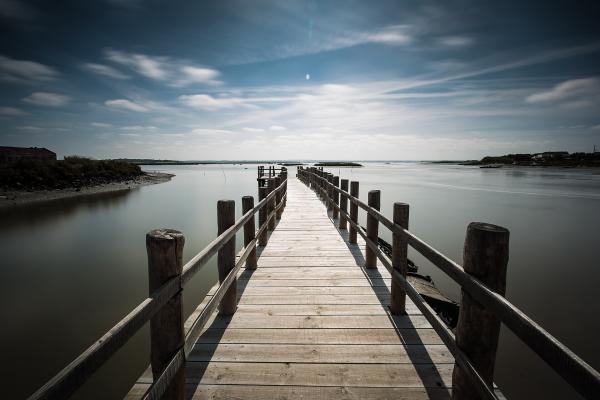
The surrounding countryside gives the reserve a distinctive mix. Rice has been grown on the river's flat plains for centuries, and in late summer the fields turn golden before harvest. Cork oak woods and umbrella pine plantations cover the higher ground, and in places, shaded paths run among them. Salt pans around the estuary have produced salt since Roman times, and the region was a centre of fish-salting, with ruins of salting tanks, particularly near Tróia. Old tidal mills, which harnessed the movement of the water to grind grain, survive in several places. The villages and fishing communities of the shores, such as Carrasqueira with its wooden stilt jetty, add to the atmosphere.
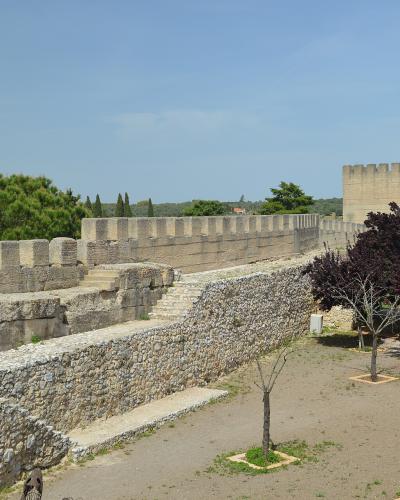
You can see the reserve in several ways: by boat, on foot along marked paths, by bicycle on flat roads, or by kayak on quiet channels. Binoculars and a field guide add a great deal. Visit in the early morning or late afternoon for the best light and the most animals, and check tide times, which affect where the birds feed. Mosquitoes can be a nuisance on summer evenings, and the sun is strong, so bring protection. The reserve is open and largely free to enter, though specific sites and visitor centres may have their own hours. It suits birdwatchers, wildlife enthusiasts and travellers who enjoy quiet landscapes. Alcácer do Sal, with its castle and riverside promenade, makes a good base.
Categories
More photos coming soon
Nearby Attractions
Other places to visit in Alcácer do Sal
Frequently Asked Questions
Quick Facts
Best Time to Visit
Spring (March-May) and autumn (September-November) offer mild weather, ideal for sightseeing, boat tours, and exploring Alcácer do Sal’s historic and natural attractions.