Medieval Fortress Of Alcácer Do Sal
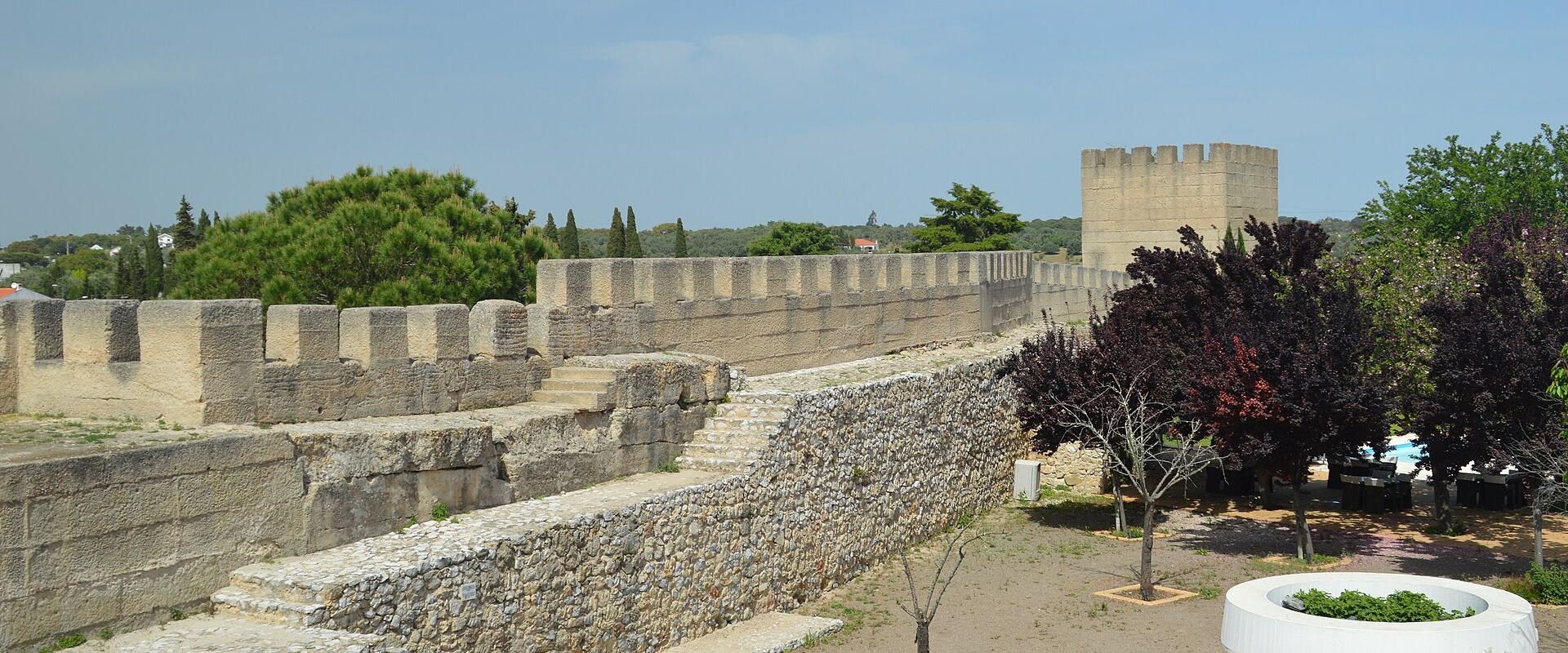
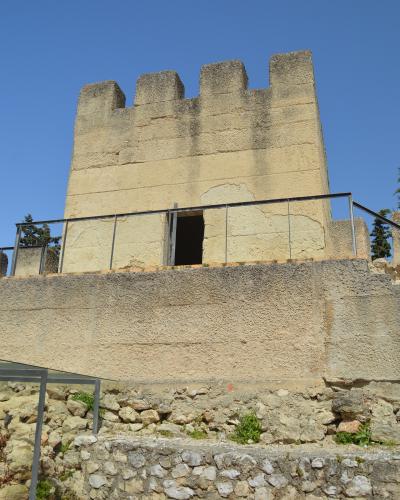
Medieval fortress in Alcácer do Sal, Portugal
Even the town's name points to its fortress. Alcácer comes from the Arabic al-qasr, meaning the castle or palace, and do Sal refers to the salt that was made on the flats of the Sado estuary and shipped from its quays for more than two thousand years. The two words together describe what made this hill valuable: a defensible height beside a navigable river, with a cargo that everyone wanted.
The hill above the Sado was fortified long before the Middle Ages. The Romans, who called the town Salacia, used it as a trading and fish-salting centre, and the Visigoths held it after them. Under Muslim rule, it became one of the strongest towns of the lower Sado, and the walls that dominate the hilltop today are mostly the work of the 12th century. The Christian conquest came in 1217, in the reign of Afonso II, when a fleet of northern European crusaders bound for the Holy Land joined Portuguese forces and the Order of Santiago in a siege that ended with the surrender of the garrison. The victory was one of the most important of the early reconquest, since it put the lower Sado, and with it access to the south, in Portuguese hands.
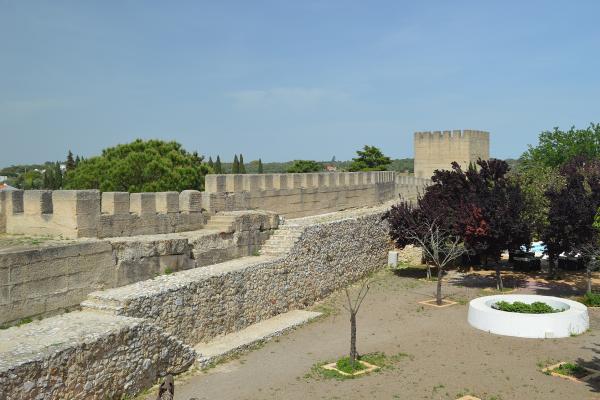
Walking up from the riverside, you reach the walls by a steep path. The fortification follows the oval contour of the hill, and sections of curtain wall with towers survive, with the interior now occupied by a hotel, a church and the archaeological remains below. The masonry shows different periods, with rubble, brick and stone repairs visible in places, and the thickness of the walls reflects the pressure of the sieges. From the ramparts, the panorama is the real reward: the river bends below, the white roofs of the town spread along the bank, and the flat plain of rice fields, salt pans and cork woods runs toward the horizon. Storks nest on towers and roofs, and in spring the clatter of their bills carries across the walls.
Over the following centuries, Alcácer's importance gradually faded as the frontier moved south and the town became a river port and market for cork, rice and salt. The earthquake of 1755 and years of neglect took their toll, and the castle fell into partial ruin before restoration in the 20th century. Today, the grounds are open to visitors during the day, though hours and ticketing for specific areas vary by season, so check locally.
The visit takes about an hour, longer if you want to linger at sunset. Wear sturdy shoes for the paving and slopes, and bring a hat, as there is little shade. The fortress pairs well with the riverside promenade, the municipal museum and a boat trip into the estuary, and it is easy to include in a drive between Lisbon and the Alentejo coast.
Categories
More photos coming soon
Hours & Fees
Hours
Daily 10:00-18:00 (Summer); Daily 10:00-17:00 (Winter)
Admission
€5 adults, €2.50 reduced
Nearby Attractions
Other places to visit in Alcácer do Sal
Frequently Asked Questions
Quick Facts
Best Time to Visit
Spring (March-May) and autumn (September-November) offer mild weather, ideal for sightseeing, boat tours, and exploring Alcácer do Sal’s historic and natural attractions.