Cripta Arqueológica Do Castelo
2,700-year-old archaeological site in Alcacer do Sal
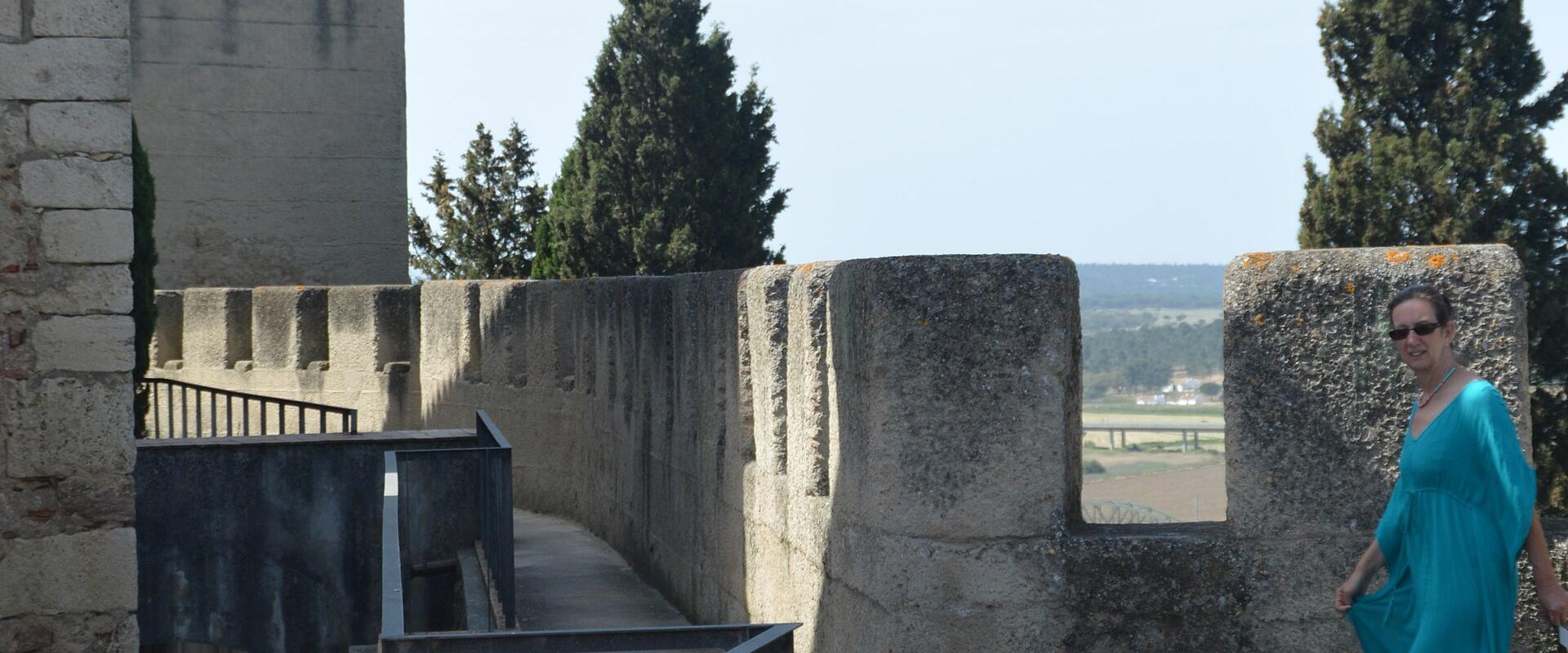
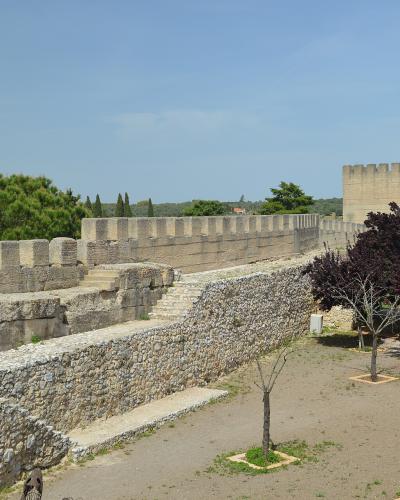
Alcácer do Sal is an old town on the Sado river, in the Alentejo coast, surrounded by rice fields, salt marshes and the wide estuary that gives the region its character. On the hill above the town stands the castle, which now houses a pousada, and beneath it lies the Archaeological Crypt, a space that opens a window onto nearly three thousand years of settlement. For anyone interested in how towns grow in layers, it is among the most rewarding small sites in the region.
The town has a very long history. In antiquity, it was a significant trading settlement on the river, and archaeological evidence points to occupation going back to the 7th century BC, when Phoenician and other Mediterranean merchants traded with the local population. The Romans, who knew the town as Salacia, made it a prosperous centre for fish products and salt, and it held a privileged status in the province of Lusitania. Under Islamic rule, the town, known as al-Qasr, was an important fortress and administrative centre, and in the 12th century, the Almohads strengthened its defences. The Christians took the town in 1217 after a siege that involved a force of crusaders and the Order of Santiago, and it remained an important place in the following centuries.
The crypt was created to preserve the excavated remains beneath the castle and its surroundings, and it lets visitors walk among the walls and foundations of different periods. You can see traces of the early settlements, Roman structures and a building from the Almohad period, among other layers, set side by side in a way that shows the sequence of occupation. Display panels and objects help explain the stages, and the atmosphere is quiet and contemplative. The visit is short, and it works best when combined with the rest of the hilltop.
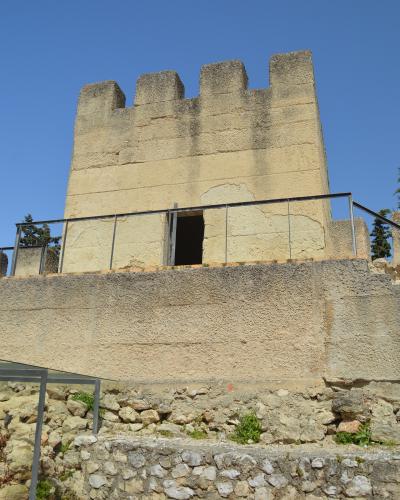
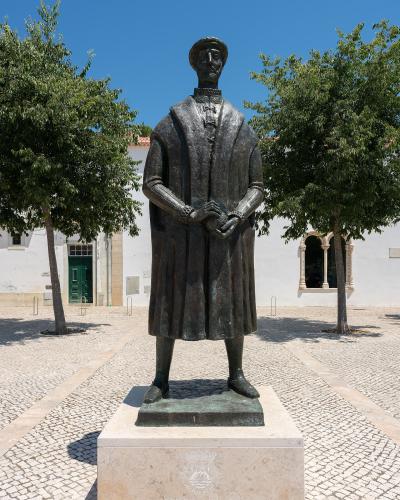
The hill also holds the church of Santa Maria do Castelo, one of the oldest churches in the area, and the castle's walls and towers, which offer views over the river, the rice fields and the town's rooftops. The municipal museum, named after the mathematician and cosmographer Pedro Nunes, who was born in Alcácer in the early 16th century, is nearby, and the riverside promenade is a pleasant place for a walk. Storks nest on rooftops and towers throughout the town, and the Sado Estuary Nature Reserve downstream is rich in birdlife, including flamingos in some seasons. Boat trips along the river leave from the quay.
Opening times and entry arrangements may change, so it is wise to check with the local tourist office before your visit. Spring and autumn are good for walking and for birds, and summer is hot. The crypt suits history and archaeology lovers, and it is a good stop on the way between Lisbon and the Alentejo or Algarve coasts.
Categories
More photos coming soon
Nearby Attractions
Other places to visit in Alcácer do Sal
Frequently Asked Questions
Quick Facts
Best Time to Visit
Spring (March-May) and autumn (September-November) offer mild weather, ideal for sightseeing, boat tours, and exploring Alcácer do Sal’s historic and natural attractions.