




Primeval Laurel Forest
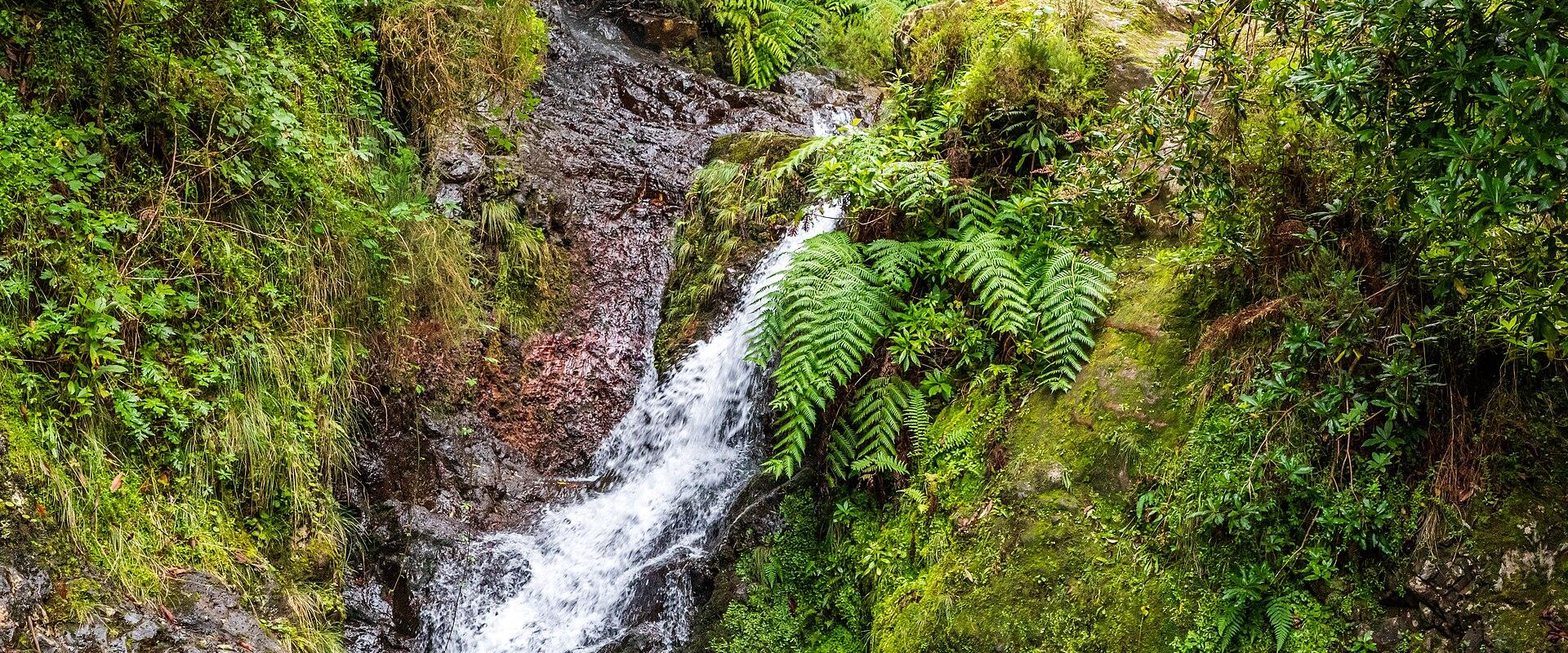
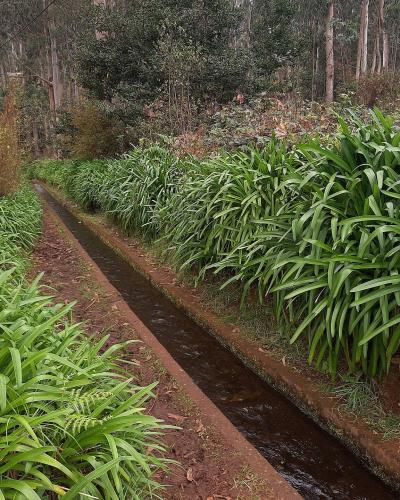
Primeval laurel forest trail in Madeira
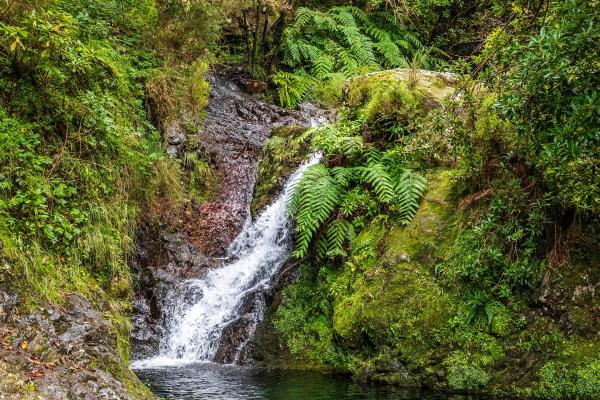
Madeira once had forests like this over much of the island, and a large patch of it survives on the steep, damp northern slopes. The laurisilva, or laurel forest, is a type of subtropical woodland that covered large parts of southern Europe millions of years ago, before the cooling and drying of the climate pushed it out, and in a few places on the Atlantic islands it has survived almost unchanged. UNESCO listed the Laurisilva of Madeira as a World Heritage site in 1999, and it is the largest surviving area of this type of forest in the world.
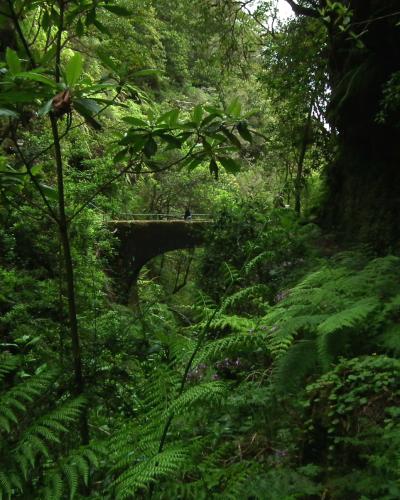
The trees give it its name. Most belong to the laurel family: the til, with its smooth grey bark and glossy leaves, the vinhático, the barbusano, and the Madeira laurel, among others, growing together in a dense, dark canopy draped with moss, lichen and ferns. The trunks are twisted and covered with green. Light filters down in patches, and the air is cool and damp even on sunny days, because the forest catches the clouds that drift in from the sea. Orchids, ferns and other plants that exist nowhere else grow on the forest floor and on the trunks, and the Madeira laurel pigeon, known as the trocaz, an endemic bird that depends on this habitat, can sometimes be glimpsed, though more often it is heard.
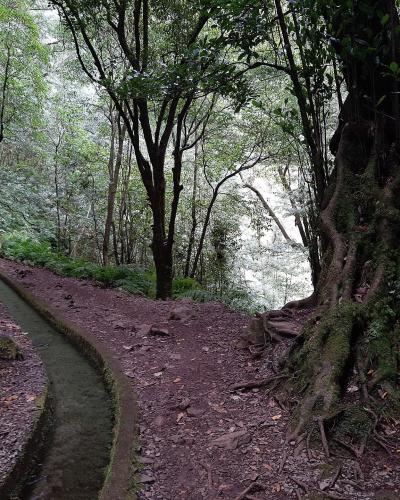
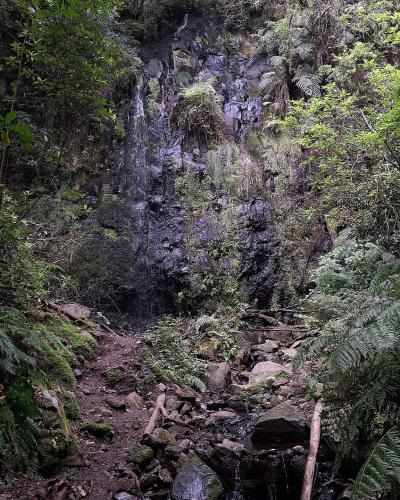
The way to see the forest is along the levadas, the narrow irrigation channels that carry water from the wet north of Madeira to the drier south. Built by hand from the 16th century onward, they run along the contours of the mountainsides, and the paths beside them, once used by the workers who maintained them, are now among the most popular walks on the island. The Levada do Rei, near the parish of São Jorge on the north coast, is a relatively gentle route that follows the channel through the forest and ends at a waterfall in a mossy ravine. It is generally less crowded than some of the better-known levada walks. The path is mostly flat, but there are drops beside it, so take care, especially in wet weather, and keep children close. Some levada paths pass through short tunnels, so a torch or a headlamp is useful, and you should check the route description before setting out.
The area around São Jorge and Santana is also worth exploring. The baroque church of São Jorge is among the finest on the island, and the village of Santana is famous for its traditional triangular thatched houses. The trail starts near the north coast road, and you can reach it by car or on a guided walk. There is no entry charge, though official parking and facilities may be limited.
Weather matters in the laurel forest, since it is usually wet and misty, and paths can be slippery. Wear shoes with grip, carry a waterproof jacket and bring water and a snack. The experience is peaceful and rewarding, particularly for those who enjoy slow walking, botany and birdwatching. Early morning gives the best chance of quiet and wildlife.
Categories
More photos coming soon
Nearby Attractions
Other places to visit in Levada do Rei
Frequently Asked Questions
Quick Facts
Best Time to Visit
Late spring to early autumn (May–October) offers mild weather, lush forest, and ideal conditions for hiking Levada do Rei; trail is accessible year-round.