







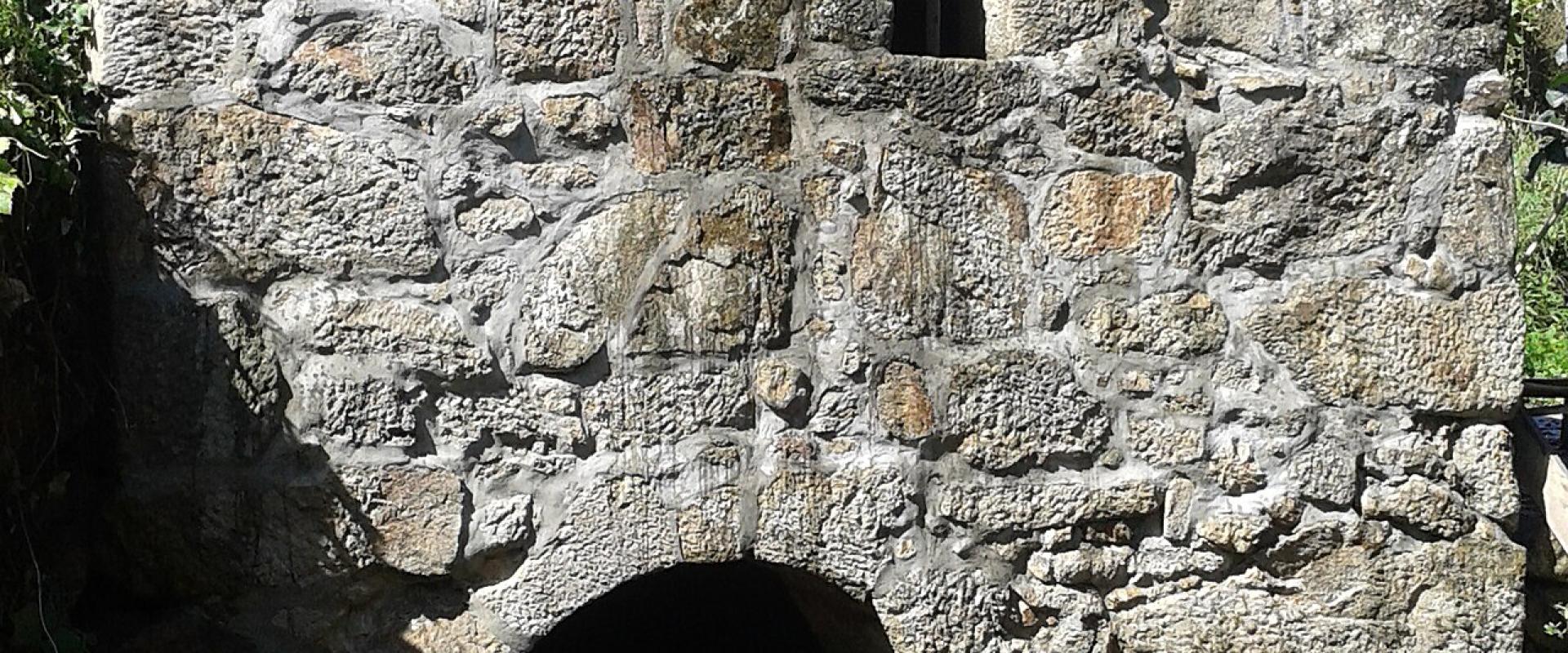
São Water Mill
Last working water mill on the Levada do Rei trail
In the hills of the north coast of Madeira, a few traditional water mills still turn, grinding maize and wheat with water borrowed from the levadas, and the mill on the Levada do Rei trail near São Jorge is one of them. It shows a craft that was once found in every village on the island and has almost vanished, and it is an enjoyable stop on a walk through the forest.
Madeira's mills worked on the same principle as water mills across Portugal. Water from a levada is directed into a stone-lined chute and falls through a narrow shaft, called the cubo, onto a small horizontal wheel with angled blades, which turns by the force of the jet. The wheel is connected by an upright axle directly to the upper millstone, so that when the wheel spins, so does the stone, which rotates over a fixed lower stone. Grain is fed from a wooden hopper above, and flour pours out at the edge of the stones into a wooden chest. The miller adjusts the gap between the stones to produce coarser or finer flour, and the speed of the water can be regulated by opening or closing a sluice. The system is simple, robust and powered only by gravity, and the sound of the stones turning, the rush of water and the smell of fresh flour are memorable.
For centuries, mills like this one were essential to island life. Farmers grew maize on terraces, and the flour was used to make the cornmeal dishes that were once a staple, among them the fried polenta squares, milho frito, which are still served beside fish and meat. Wheat flour went into the round bread of the island, the bolo do caco, a flat loaf cooked on a hot stone. Each community, or group of families, had its own mill, and the miller was paid with a share of the flour. When electric and industrial mills arrived, the old ones fell out of use, and many were abandoned or ruined. A few have been restored and kept running as heritage sites, and the São Jorge mill has been maintained as a working example.
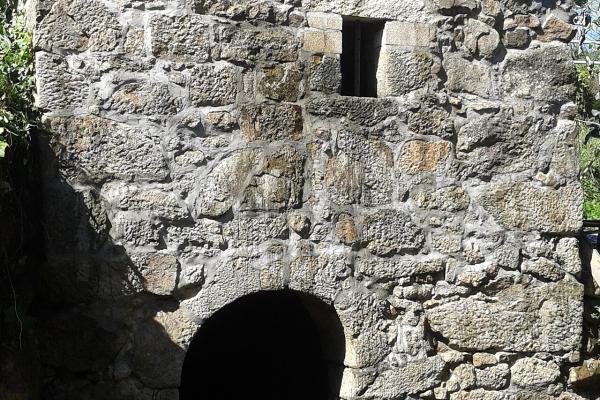
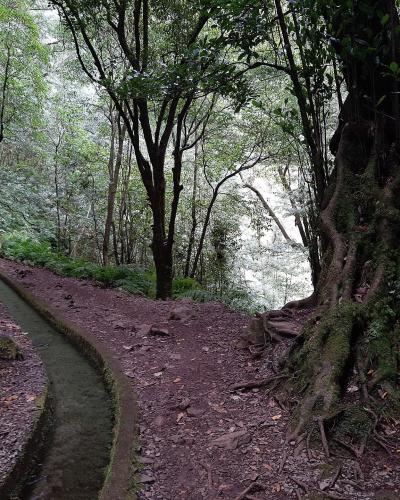
Visiting usually forms part of the Levada do Rei walk. Some of Madeira's most popular trails now require an online fee or permit for entry, and the same may apply here, so check the current rules and prices before setting out. The path follows the levada through woodland of laurel and ferns, and the mill appears beside the channel, with a small building of stone and a roof of tiles. When it is working, the miller or a guide may show how the stones turn, and you can often buy a small bag of flour.
The trail is of moderate difficulty and takes a few hours, so wear shoes with grip and bring a waterproof jacket. The mill suits walkers, families and anyone interested in traditional crafts and food.
Categories
More photos coming soon
Admission Fees
Admission
€4.50 for visitors over 12 years old
Nearby Attractions
Other places to visit in Levada do Rei
Frequently Asked Questions
Quick Facts
€4.50 for visitors over 12 years old
Best Time to Visit
Late spring to early autumn (May–October) offers mild weather, lush forest, and ideal conditions for hiking Levada do Rei; trail is accessible year-round.