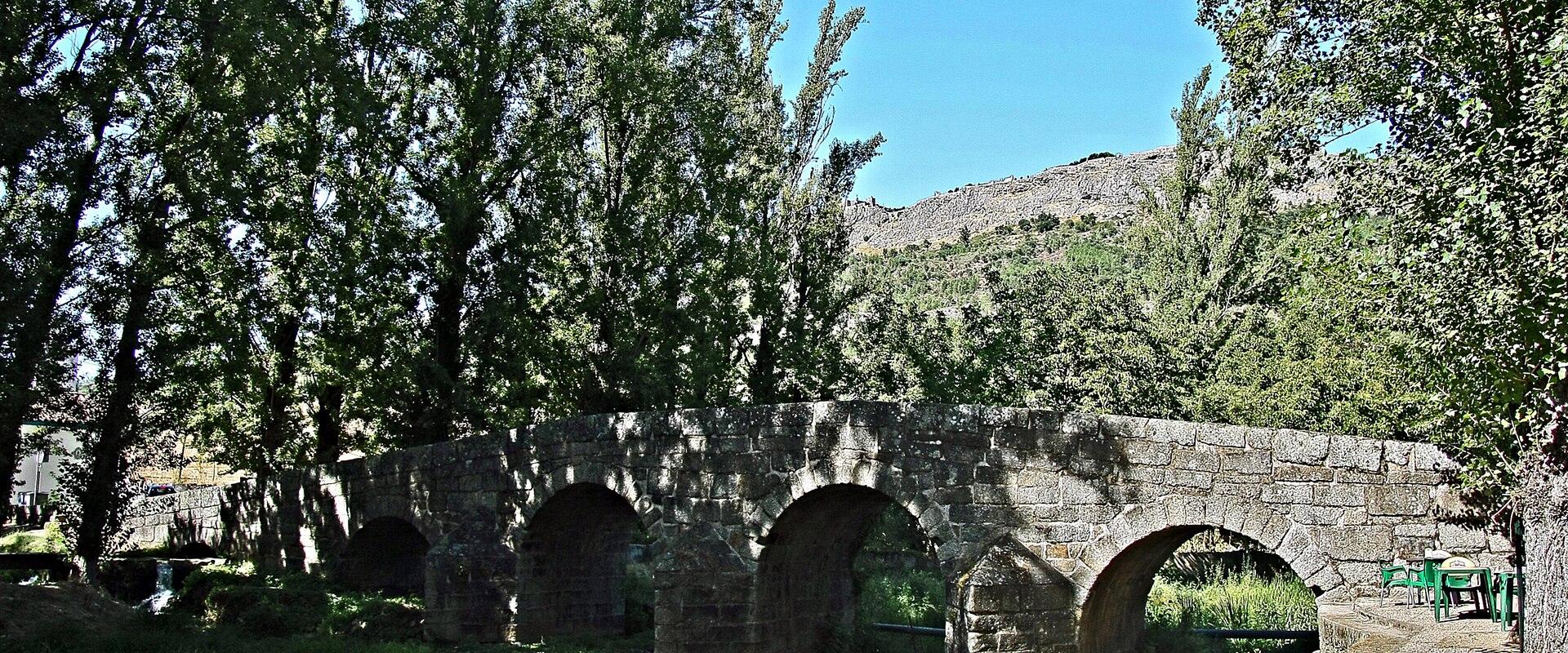
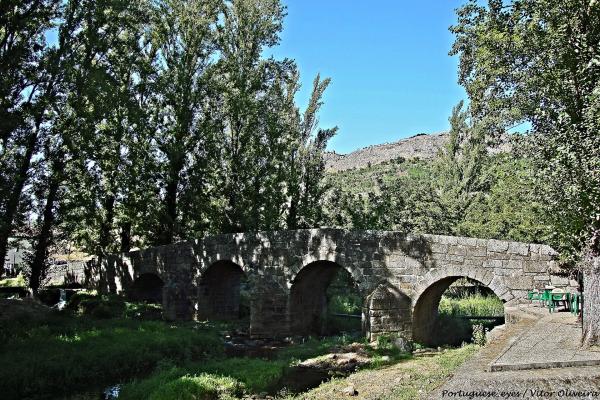
16th-century Bridge Of Portagem
16th-century bridge in Marvão, Portugal
Portagem is a small village at the foot of the Serra de São Mamede, in the lowlands below the hilltop fortress of Marvão. The word portagem means toll, and the name preserves the memory of the control that was exercised here over people and goods crossing the frontier. A bridge near the village, traditionally dated to the 16th century, is the monument that recalls this role, and the area around it is a quiet corner of the Alentejo with a distinct historical atmosphere.
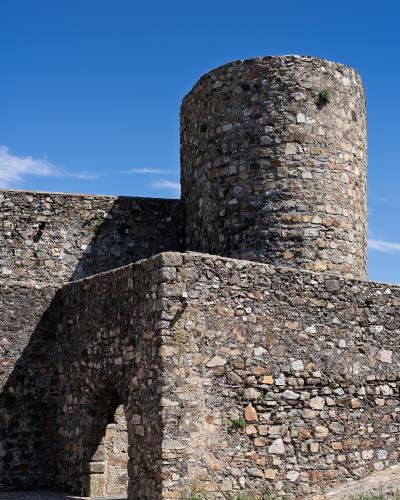
The location explains the village's importance. The border with Spain runs only a few kilometres away, and a small river in the valley, in this part of the frontier, has long been a natural line of passage. Roads from Spain came across the plain and climbed into the hills toward Marvão, and the crossing at Portagem was a natural place to collect fees and check travellers. The bridge, a stone structure of arched spans built to carry carts and animals over the stream, belongs to this old network of roads. Its age is a matter of debate, and some sources attribute parts of it to Roman times, since the region lay on Roman routes, while the visible structure is often dated to the 16th century, with later repairs.
The most moving part of the story lies in the events of 1492 and the years that followed. When the Catholic monarchs expelled the Jews from Spain, thousands of refugees crossed into Portugal, and King João II allowed them to enter in exchange for payment, at designated places on the border, among which the area around Marvão and Castelo de Vide is remembered. Tradition links the toll at Portagem with this passage, and the memory of the refugees who walked across is part of the local heritage. A few years later, in 1497, the Portuguese king forced the Jews to convert, a sad sequel. Nearby Castelo de Vide has one of the oldest synagogues in Portugal, which can be visited and gives a tangible sense of the community's history here.
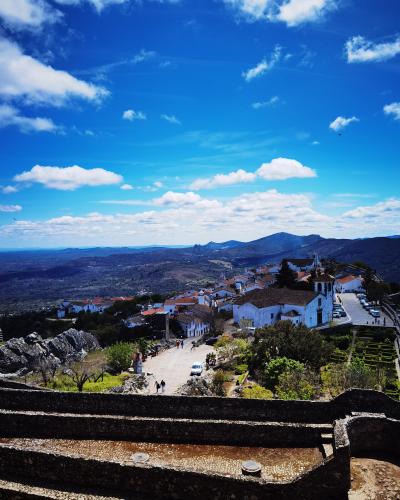
Visiting the bridge is a matter of a short stop, since it stands in the open and can be seen at any time, at no charge. The setting is rural and peaceful, with fields, cork oaks and the green wall of the mountain behind. Take a few minutes to walk across and look at the stonework, and then continue to Marvão, whose castle and walled village lie a short drive uphill, or to Castelo de Vide, with its Jewish quarter and fountain. The São Mamede Natural Park offers walks nearby.
The bridge suits history enthusiasts and travellers following the border towns of the Alto Alentejo. Spring, when the fields are green, is a pleasant time.
Categories
More photos coming soon
Hours & Fees
Hours
Open access (outdoor structure)
Admission
Free
Nearby Attractions
Other places to visit in Marvão
Frequently Asked Questions
Quick Facts
Best Time to Visit
Spring (March-May) and autumn (September-November) offer mild weather, lush scenery, and ideal conditions for exploring Marvão’s historic sites.