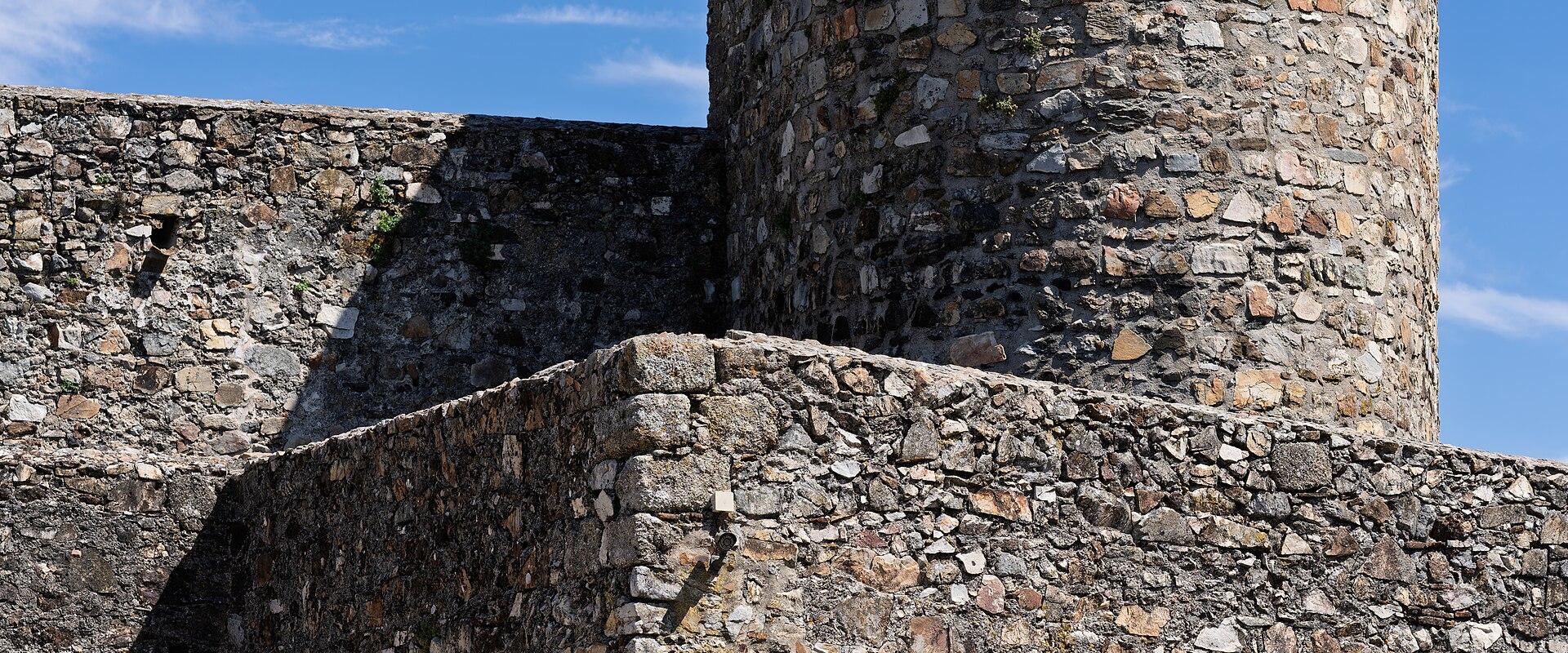
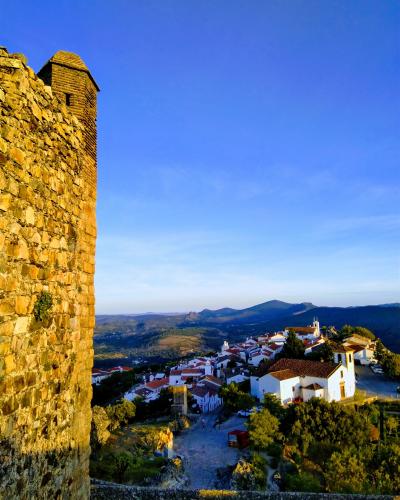
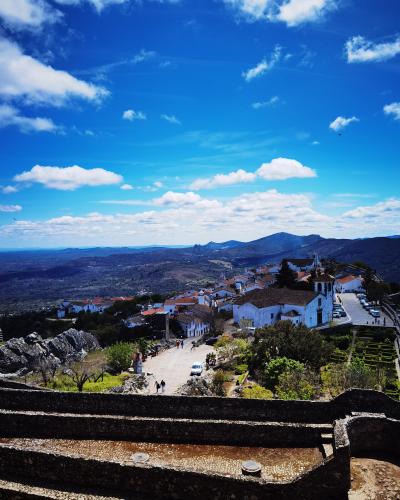
Marvão castle is among the most dramatic fortresses in Portugal, sitting on a granite crest at about 860 metres in the Serra de São Mamede, right on the Spanish border. The village within its walls clings to the ridge, and the castle occupies the highest point, with sheer drops on several sides. From the battlements the view takes in a vast sweep of the Alentejo plains to the west and the hills of Spain, in Extremadura, to the east, and on clear days it feels as if half of the Iberian Peninsula is spread out below.
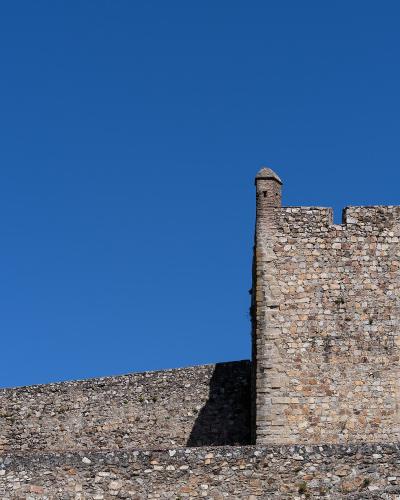
The hill has been settled since ancient times, but the village takes its name from Ibn Marwan, a 9th-century Muslim leader of Galician origin who rebelled against the emir of Córdoba and made the mountain his stronghold. The Christians captured it in the 12th century, and in the 13th century King Sancho II and later King Dinis reinforced the fortress, giving it much of the form seen today: a rectangular keep, a double line of walls and a series of towers and battlements. In the 17th century, during the wars that followed Portugal's restoration of independence from Spain, the defences were modernised with bastions and gun platforms, since the border position was crucial. Marvão was never taken by force, and its isolation and height are the reasons it survived so well.
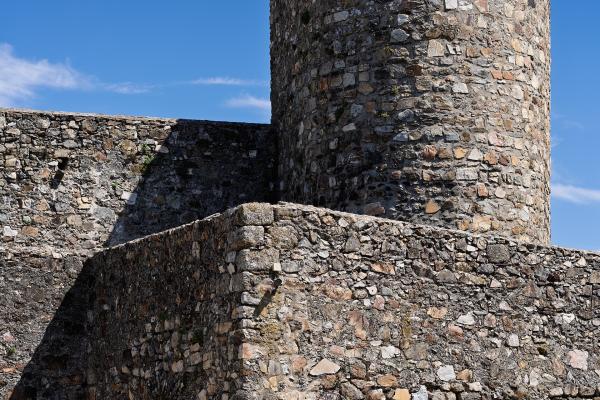
Inside the castle walls, a large vaulted cistern, one of the most impressive features, once stored water for the garrison, and its arched stone interior is cool and echoing. A parade ground, the keep, the remains of barracks and the sentry walks around the walls complete the picture. A circuit of the ramparts takes about half an hour, and the paths are steep and have low parapets in places, so take care with children. The stonework is well preserved after restoration, and the view from the keep is rewarding.
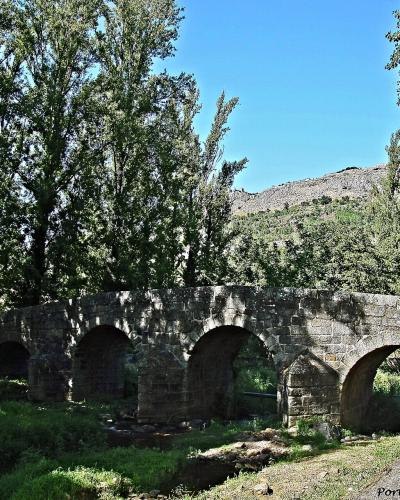
The village around the castle is as beautiful as the fortress. Narrow whitewashed lanes wind between low houses with wrought-iron balconies and flower pots, and a small museum in the old church of Santa Maria tells the story of the town. Griffon vultures and other raptors soar on the thermals around the cliffs, and the surrounding natural park, the Serra de São Mamede, offers walks among chestnut woods, cork oaks and granite boulders. The Roman city of Ammaia, with its excavated forum and baths, lies in the valley below.
The castle is open daily, with entry free or at a modest price depending on the period, so check locally. Spring and autumn are the best seasons, as summers can be hot and winters cold, windy and often misty. Wear sturdy shoes, as the cobbles are steep and uneven. Marvão suits history lovers, photographers and anyone who enjoys dramatic scenery, and it works well as a stop on the way between Lisbon and Spain.
Categories
More photos coming soon
Hours & Fees
Hours
Daily 9:00 AM to 6:00 PM
Admission
Free
Nearby Attractions
Other places to visit in Marvão
Frequently Asked Questions
Quick Facts
Best Time to Visit
Spring (March-May) and autumn (September-November) offer mild weather, lush scenery, and ideal conditions for exploring Marvão’s historic sites.