São Mamede Natural Park
Protected park with 1,025m peak and Iberian wildlife
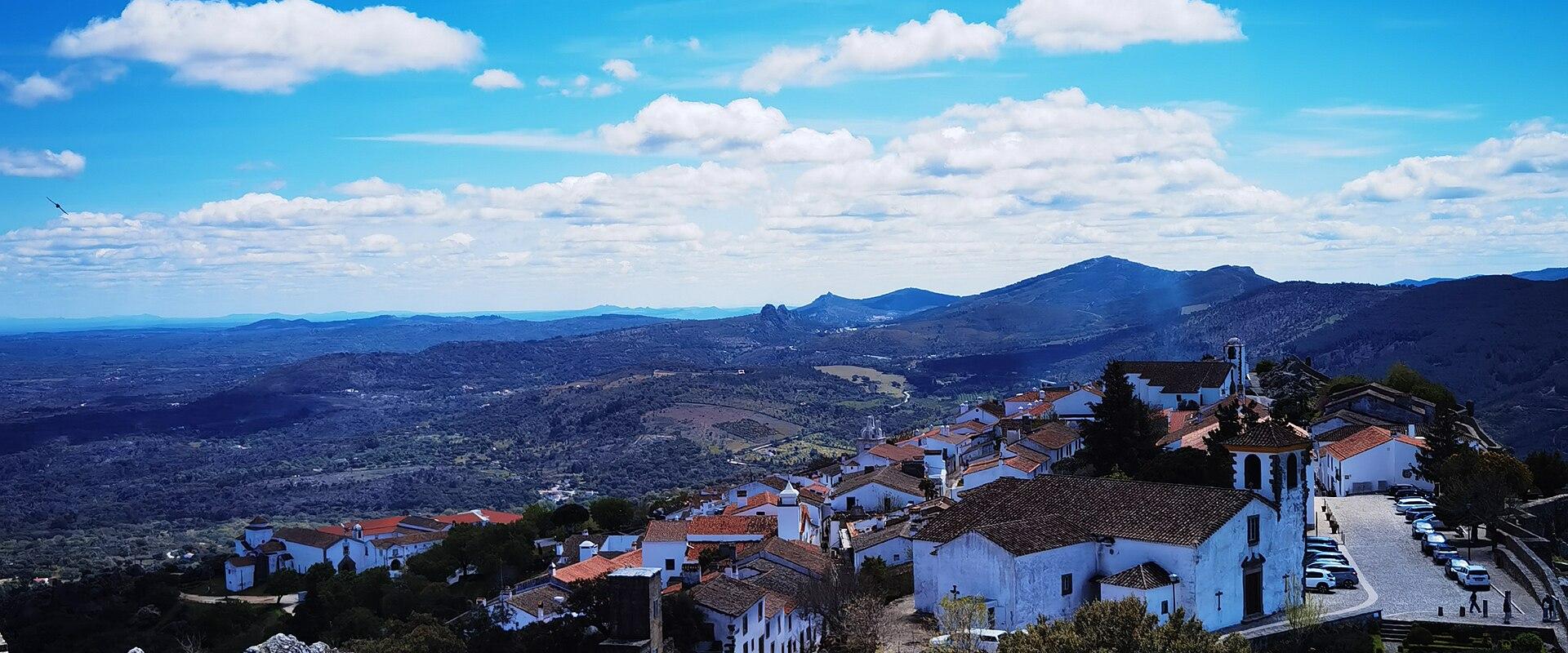
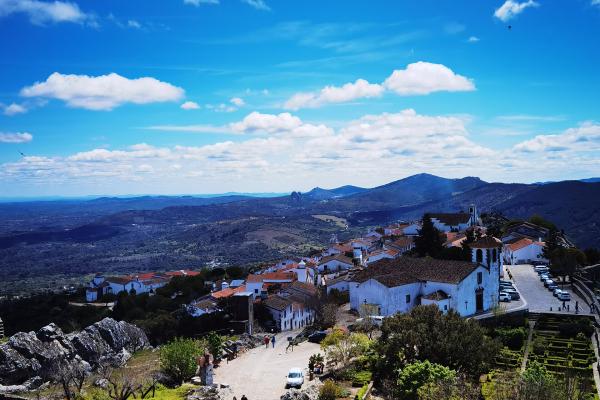
The Serra de São Mamede Natural Park can be explored from several bases, and Marvão is one of the best, since the village sits right on a rock crest at the centre of the range, with trails and viewpoints starting at its gates. The park, protected since 1989, covers mountains, valleys and farmland in the north-east of the Alentejo, along the Spanish border, and its different corners offer different pleasures.
The seasons give the park its rhythm. In winter, the heights are often misty, and the rain feeds streams and waterfalls, while migrant birds, such as cranes and many waterfowl, arrive on the plains. Spring brings wildflowers across the meadows and slopes, from orchids and cistus to broom, and the oak and chestnut woods turn fresh green. Summer is hot and dry on the lower ground, but cooler on the heights, and the villages hold festivals. Autumn is the most colourful season. The chestnut woods around Marvão turn gold and bronze, and the harvest in October and November is celebrated with fairs, roasted chestnuts and local wine, and many walkers regard this as the best time to visit.
Several kinds of activity are possible. Walking is the main one, with marked trails of different length and difficulty linking Marvão, Castelo de Vide and the villages, and passing through woods, along old stone-walled lanes and across the granite ridges. Cycling and horse riding are also practised, and the crags near Marvão have routes for rock climbing. Birdwatchers come to see griffon vultures and other raptors riding the thermals above the cliffs, and the open farmland has storks, hoopoes and bee-eaters in season. The river Sever, which forms part of the border, is a quiet place for walks, and swimming is possible in a few spots in summer.
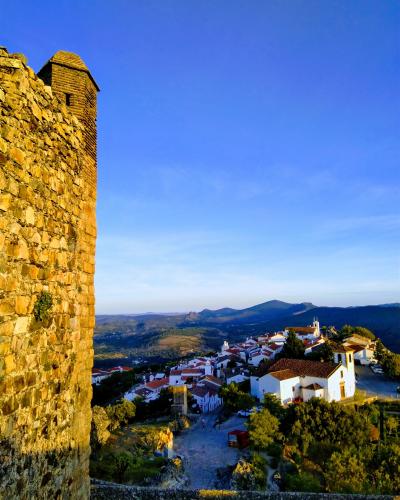
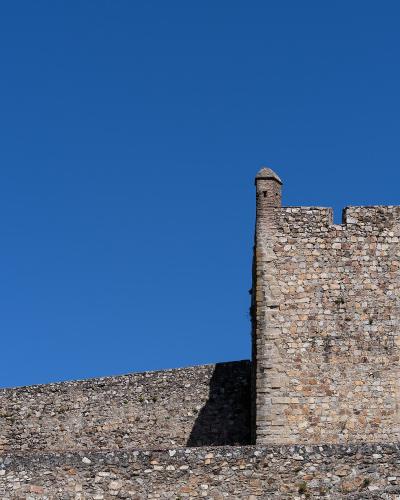
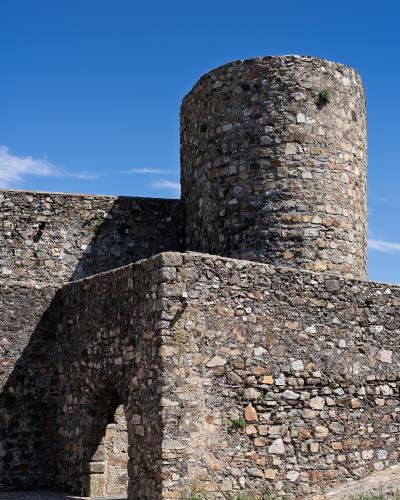
Historic traces are scattered in the park. Near the foot of Marvão, the ruins of the Roman town of Ammaia, with its forum and baths, can be visited, and prehistoric dolmens and megaliths stand in fields and woods in several places, a reminder of the area's very long human history. Marvão and Castelo de Vide themselves contain castles, walls, a medieval Jewish quarter and fountains, and there are several smaller villages with granite houses and old churches.
The region has its own flavours: chestnuts and chestnut desserts, cherries, honey, olive oil, cured meats, sheep and goat cheeses and dishes of pork, game and bean stews. Guesthouses and rural hotels are plentiful, often in restored manor houses, and some offer meals made from local produce.
Roads in the park are narrow and winding, so drive carefully. The park is free to enter and open all year. Pick up trail maps from the visitor centre in Portalegre or the tourist office in Marvão. It suits walkers, birdwatchers and travellers who want unspoiled countryside.
Categories
More photos coming soon
Hours & Fees
Hours
Open year-round.
Admission
Free entry
Nearby Attractions
Other places to visit in Marvão
Frequently Asked Questions
Quick Facts
Best Time to Visit
Spring (March-May) and autumn (September-November) offer mild weather, lush scenery, and ideal conditions for exploring Marvão’s historic sites.