Marvão
Hilltop medieval village with panoramic castle views
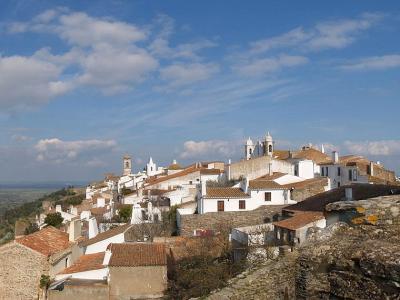
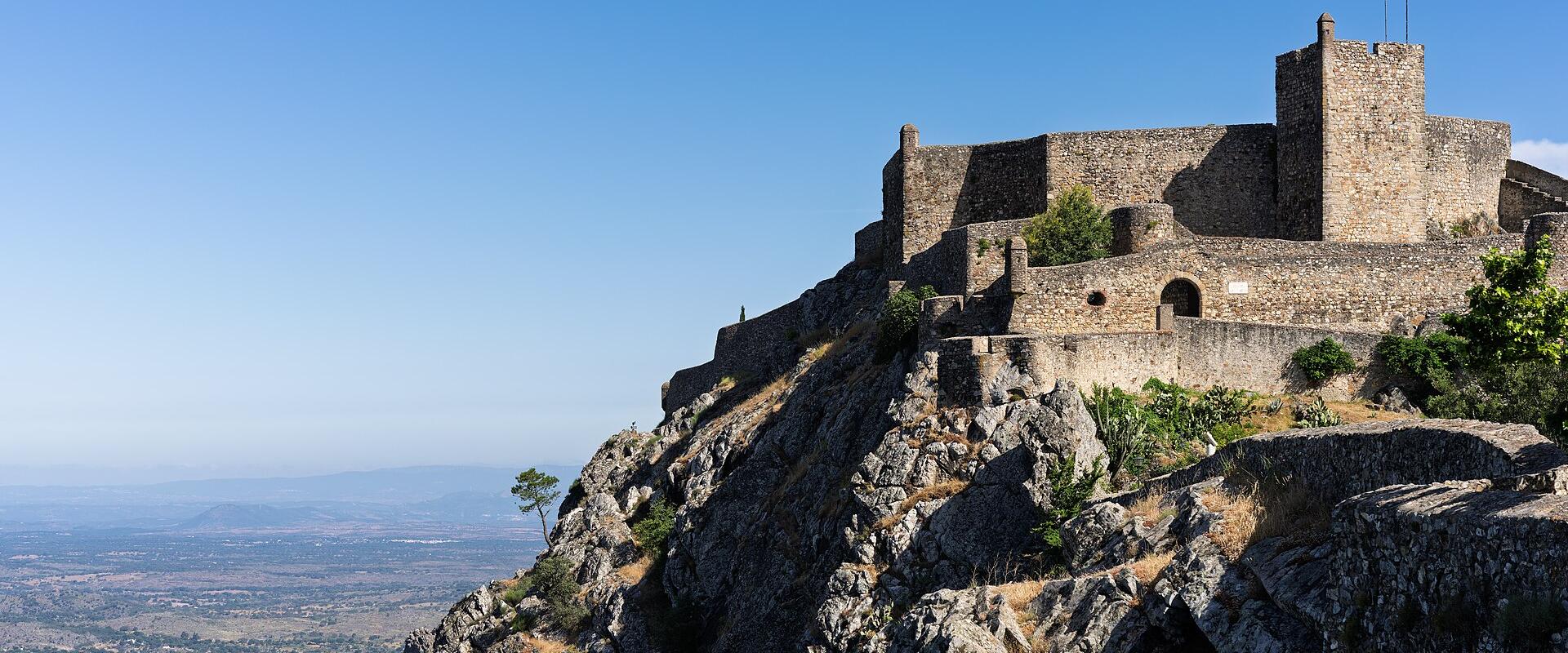
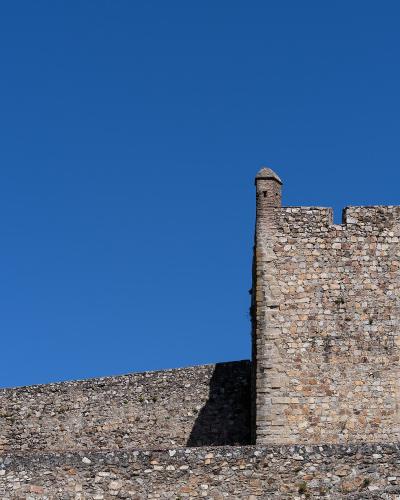
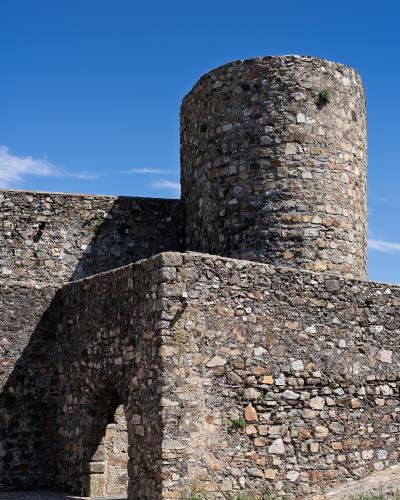
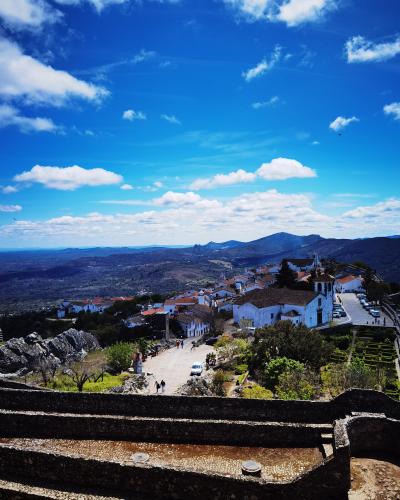
Marvão is one of Portugal’s most enchanting destinations, a medieval village dramatically perched atop a granite ridge in the Serra de São Mamede, close to the Spanish border. Its strategic location at an elevation of around 860 meters has made it a sentinel over the Alentejo plains for centuries, offering visitors sweeping views that stretch across Portugal and into Spain. The village’s origins trace back to Roman times, with the nearby ruins of Ammaia attesting to its ancient past. However, Marvão’s defining chapter began in the 9th century when Ibn Marwan, a Moorish chieftain, established a fortress here, lending the village its name. Over the centuries, Marvão became a crucial stronghold in the defense of Portugal, especially during the Christian Reconquest and subsequent border conflicts with Spain. Its formidable castle, expanded and reinforced through the Middle Ages, stands as a testament to its military significance.
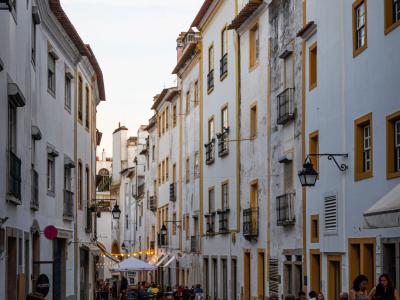
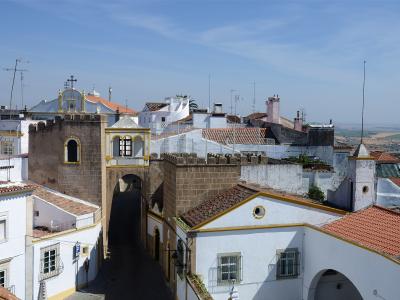
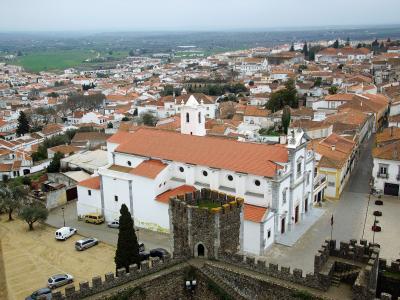
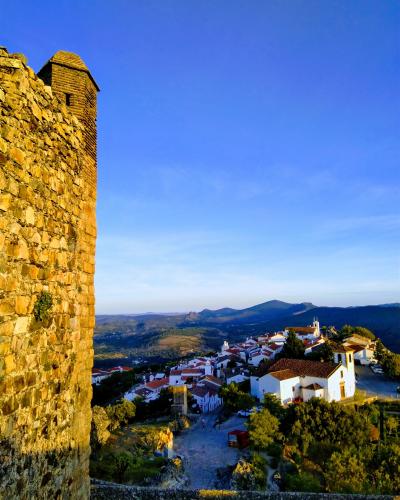
Today, Marvão is celebrated for its remarkably preserved medieval character. The village is encircled by sturdy stone walls, and its narrow, winding streets are lined with whitewashed houses, many adorned with flower-filled balconies. The centerpiece is the imposing Marvão Castle, a must-visit for any traveler. Exploring the castle’s ramparts and towers rewards visitors with panoramic vistas and a sense of the village’s storied past. The castle grounds also host a small museum detailing the region’s history and the castle’s role in Portuguese defense.
Another highlight is the Igreja de Santa Maria, now home to the Marvão Municipal Museum. This museum showcases archaeological finds, religious art, and artifacts that illuminate the village’s diverse history, from Roman times through the Middle Ages. Just outside the village, the ruins of the Roman city of Ammaia offer a fascinating glimpse into the area’s ancient heritage, with remnants of temples, baths, and city walls.
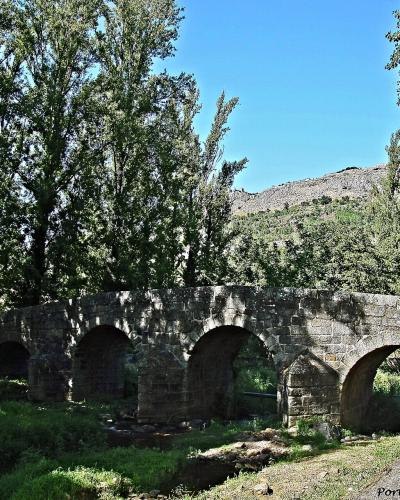
Marvão’s charm extends beyond its historical sites. The village is a gateway to the Serra de São Mamede Natural Park, a haven for hikers, birdwatchers, and nature lovers. Trails wind through oak forests, rocky outcrops, and wildflower meadows, with opportunities to spot rare birds and enjoy the tranquility of the Alentejo countryside. The nearby village of Portagem, with its Roman bridge and river beach, is a popular spot for relaxation, especially in the warmer months.
Cultural experiences abound in Marvão. The village hosts several festivals throughout the year, including the renowned International Music Festival, which brings classical performances to the castle and churches. Local restaurants serve up Alentejo specialties such as lamb stew, migas, and regional cheeses, often paired with excellent local wines.
Getting to Marvão is most convenient by car, with scenic drives from Lisbon (about 2.5-3 hours) or Porto (about 3.5-4 hours). Public transport options are limited, but buses connect Marvão to nearby towns like Portalegre and Castelo de Vide. Within the village, all attractions are easily explored on foot, though the steep, cobbled streets require comfortable footwear.
The best time to visit Marvão is during spring (March to May) or autumn (September to November), when the weather is mild, the landscape is lush, and the village is less crowded. Summers can be warm but are tempered by the elevation, while winters are chilly but atmospheric, especially during local festivities. Whether you’re drawn by history, nature, or simply the breathtaking views, Marvão promises a memorable and authentic Alentejo experience.
Best Time to Visit
Spring (March-May) and autumn (September-November) offer mild weather, lush scenery, and ideal conditions for exploring Marvão’s historic sites.
Did you know?
Interesting, verified facts about Marvão
Marvão Is Named After a 9th-Century Rebel Warlord
HistoryThe fortified village of Marvão takes its name from Ibn Marwan (Ibn Marúan), a 9th-century Muwallad warrior who fortified this near-impregnable granite crag around 876–877 as a refuge and northern stronghold after defying the Emirate of Cordoba. His independent domain was seated at Badajoz, just across today's Spanish border, and stretched along the Guadiana valley into what is now southern Portugal — Marvão guarded its northern edge, likely on the site of an earlier Roman watchtower. The crag was then known as the "rock of Ammaia," after the abandoned Roman town of Ammaia at the mountain's foot — and after his stay, chroniclers called it "Ammaia of Ibn Marwan," a name that eventually wore down to Marvão.
Source: Visit Portugal (official Portuguese tourism board)Plan Your Visit to Marvão
Essential travel tips and information for your trip to Marvão.
Suggested Itineraries
Discovering Marvão
1 dayOne-day exploration of Marvão's medieval castle and Alentejo landsc...
View ItineraryTravel Tips
Currency
EUR • Cards widely accepted
Language
Portuguese • English in tourist areas
WiFi
Free WiFi in cafes and hotels
Explore Marvão by Interest
Discover attractions and experiences in Marvão organized by your interests and travel preferences.

All attractions in Marvão
Sorted by our recommendation score
Quick Facts
Book your stay
Frequently Asked Questions
More destinations in Alentejo
Explore other amazing places in the Alentejo region