Historic Village Of Marvão (including The Ruined Castle)
Cliffside medieval village with whitewashed stone
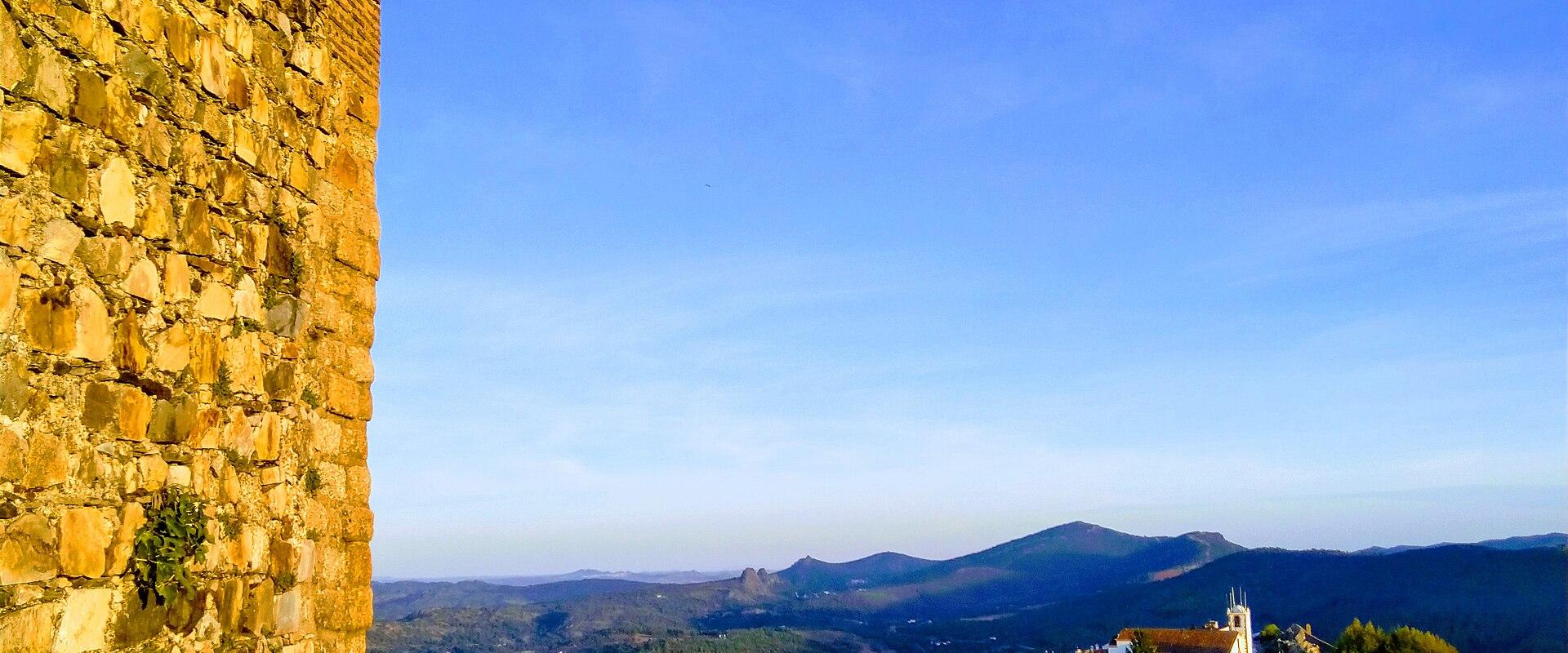
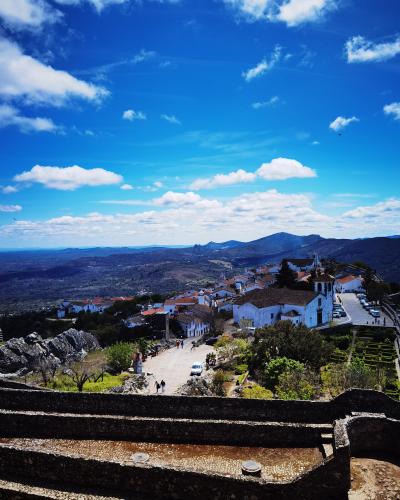
Marvão is a walled village built on a granite crest in the Serra de São Mamede, at roughly 860 metres, and from the ramparts the Alentejo plain spreads out toward Spain, which is only a few kilometres away. The position explains everything about the place. A settlement here could watch the whole frontier, and it could be defended by a few men on steep rock. The name is traditionally linked to Ibn Marwan, a ninth-century Muslim leader who used the hill as a stronghold, and the Islamic period left its mark on the layout of the lanes.
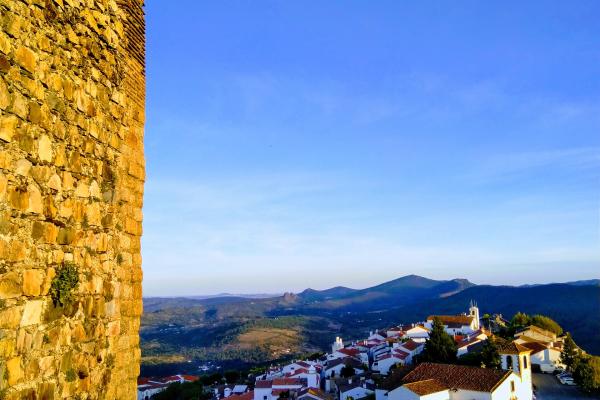
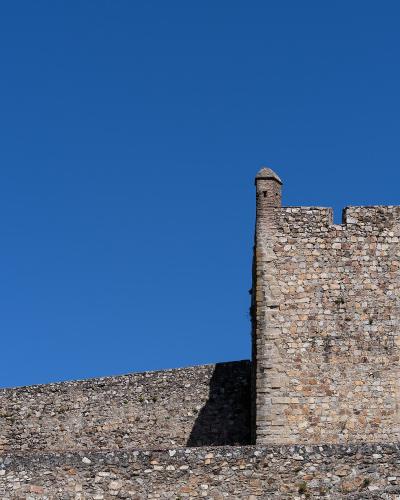
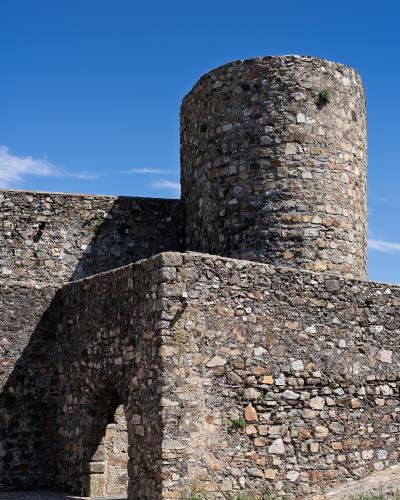
After the Christian conquest the castle was strengthened repeatedly, and King Dinis fortified it at the end of the 13th century. The curtain walls, towers, and keep are built of local granite and still run along the cliff edge. Inside the castle there is a large cistern that once held the garrison's water supply, a reminder that a siege could last months. From the keep and the wall-walk the views stretch across cork oak woods, olive groves, and the plains below. On misty mornings the village seems to float above a sea of cloud, which is where the picture of a castle in the sky comes from. Mist can also hide the view entirely, so clear days are best.
The village below the walls is compact and quiet. Whitewashed houses with granite door frames, wrought-iron balconies, and flower pots line narrow, steep streets, and there are small squares, a parish church, and a municipal museum. Nothing is large, and that is the charm. It is a place for walking slowly, pausing at miradouros, and listening to the wind. Roman remains are not in the village itself, but the nearby Roman city of Ammaia is part of the same story of long occupation.
The approach by road passes cork oaks and chestnut groves, and the last part is a climb through the gate. Cars are restricted inside the old centre, so most visitors park outside and walk up. Wear sturdy shoes, because the cobbles are uneven and slippery after rain.
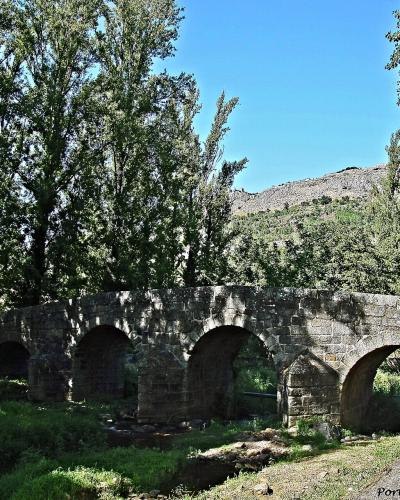
Marvão suits walkers, photographers, history readers, and anyone who wants a quiet night in the Alentejo hills. It works well with the São Mamede Natural Park for day walks and with the Portagem bridge below. Stay overnight if you can: the day visitors leave in the afternoon and the village becomes very still, with clear dark skies above the walls.
Categories
More photos coming soon
Nearby Attractions
Other places to visit in Marvão
Frequently Asked Questions
Quick Facts
Best Time to Visit
Spring (March-May) and autumn (September-November) offer mild weather, lush scenery, and ideal conditions for exploring Marvão’s historic sites.