


Portugal is still one of the more affordable countries in Western Europe, though Lisbon and Porto have become noticeably pricier in recent years. With a few habits, careful timing and smart transport choices, a comfortable trip on a modest budget is entirely realistic. These tips cover where the money goes and how to keep each category under control.
Pick the Right Season
Timing has the biggest effect on what you pay. July and August bring the highest accommodation prices, especially in the Algarve and Lisbon, and the most crowds. Spring (April to early June) and autumn (late September to October) are warm enough for sightseeing and often for the beach in the south, while rooms are cheaper and easier to find. Winter is the cheapest season of all and is mild on the coast, though it is wetter in the north and some Algarve businesses close. Avoid booking during big events, such as Lisbon's Santo António festivities in mid-June or Porto's São João on 23–24 June, when prices jump.
Sleep for Less
Lisbon and Porto have plenty of well-run hostels with both dorm beds and private rooms, and they are often the cheapest central option. Outside the big cities, family-run guesthouses (alojamento local) and small pensions usually offer better value than hotels. Staying just outside the most famous neighbourhoods saves money too: in Lisbon, areas well served by the metro can cost less than Alfama or Chiado. Remember the municipal tourist tax, charged per person per night on top of the room price; at the time of writing it is €4 in Lisbon and €3 in Porto, capped at seven nights, with children under 13 exempt. Many other municipalities, including several in the Algarve, now charge one too.
Eat Like a Local
Food is where Portugal still offers great value.
- Prato do dia: At lunchtime, many tascas and cafés offer a dish of the day, sometimes as a set menu with soup, a main course and a drink, for much less than dinner prices.
- Snacks: A bifana (marinated pork sandwich), a bowl of caldo verde or a pastel de nata from a bakery makes an inexpensive light meal.
- Couvert: Bread, olives, butter or cheese placed on your table at the start of a meal are not free. You are charged only if you eat them, so send them back if you do not want them.
- Markets and supermarkets: Chains such as Pingo Doce and Continente sell good bread, cheese, fruit and ready meals for picnics.
- Coffee: An espresso (uma bica in Lisbon, um cimbalino in Porto) drunk standing at the counter is one of Europe's cheapest coffees.
Tap water is safe to drink throughout mainland Portugal, so carry a refillable bottle.
Move Around Cheaply
In Lisbon, load a reusable Navegante card and use pay-as-you-go credit or a 24-hour pass; the 24-hour Carris/Metro ticket costs €7.25 in 2026, and versions that add suburban trains or the Cacilhas ferry cost more. Trains to Sintra leave from Rossio station and to Cascais from Cais do Sodré, both covered by inexpensive suburban fares. In Porto, the rechargeable Andante card works on the metro, buses and some trains.
Between cities, long-distance buses run by Rede Expressos and FlixBus are often cheaper than trains, especially when booked early. On the railway, Intercidades trains cost less than the faster Alfa Pendular, and Comboios de Portugal offers discounted fares when you buy well in advance. If you rent a car, note that many motorways use electronic tolls, and fuel is relatively expensive, so a car pays off mainly in rural areas or when shared.
Enjoy the Free Things
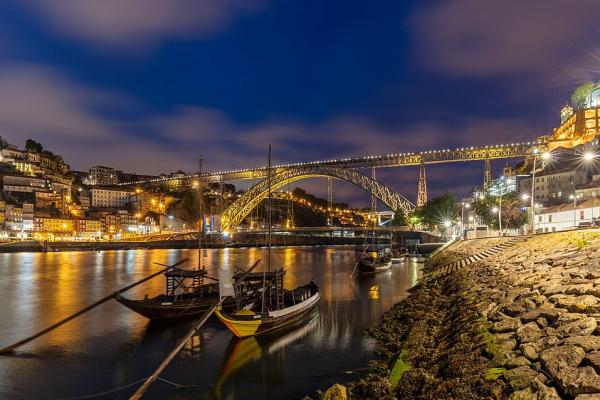
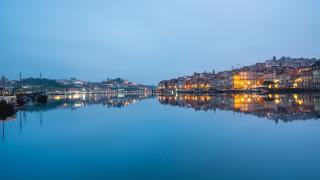
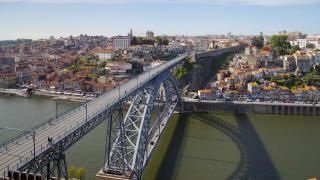
Much of the best of Portugal costs nothing. Lisbon's miradouros (viewpoints), such as Santa Luzia, São Pedro de Alcântara and Senhora do Monte, are free and open all day. Porto's riverside, the Jardins do Palácio de Cristal and the walk across the upper deck of the Dom Luís I Bridge cost nothing either. Beaches are public, from the Cascais line to the Algarve coves and the long Atlantic sands of the Costa da Caparica. Churches are often free to enter, and walking the old centres of Coimbra, Évora and Guimarães is one of the most rewarding things you can do.
Plan Paid Sights Wisely
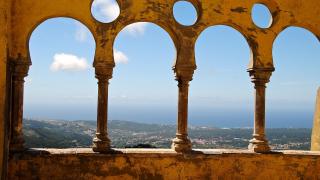
Choose a few paid sights carefully rather than buying everything. In Sintra, the palaces are spread out and each charges entry, so pick one or two rather than all of them, and go early to avoid queues. In Lisbon, the Lisboa Card combines transport and entry to a number of museums; it is worth it only if you plan several paid visits in a short time, so compare its price with the sights you actually intend to see.
A Sample Budget Approach
Rather than relying on a fixed daily figure, estimate each part of your trip: accommodation (the largest cost, and highly seasonal), food (lower if you make lunch your main meal), transport (cheap within cities, more for long-distance trips) and a few paid sights. Travellers who stay in hostels or simple guesthouses, eat lunchtime set menus and use public transport can keep costs well below the Western European average, especially outside the summer peak and outside Lisbon.