

Roman Bridge Of Muge
Roman bridge in Alentejo, Portugal
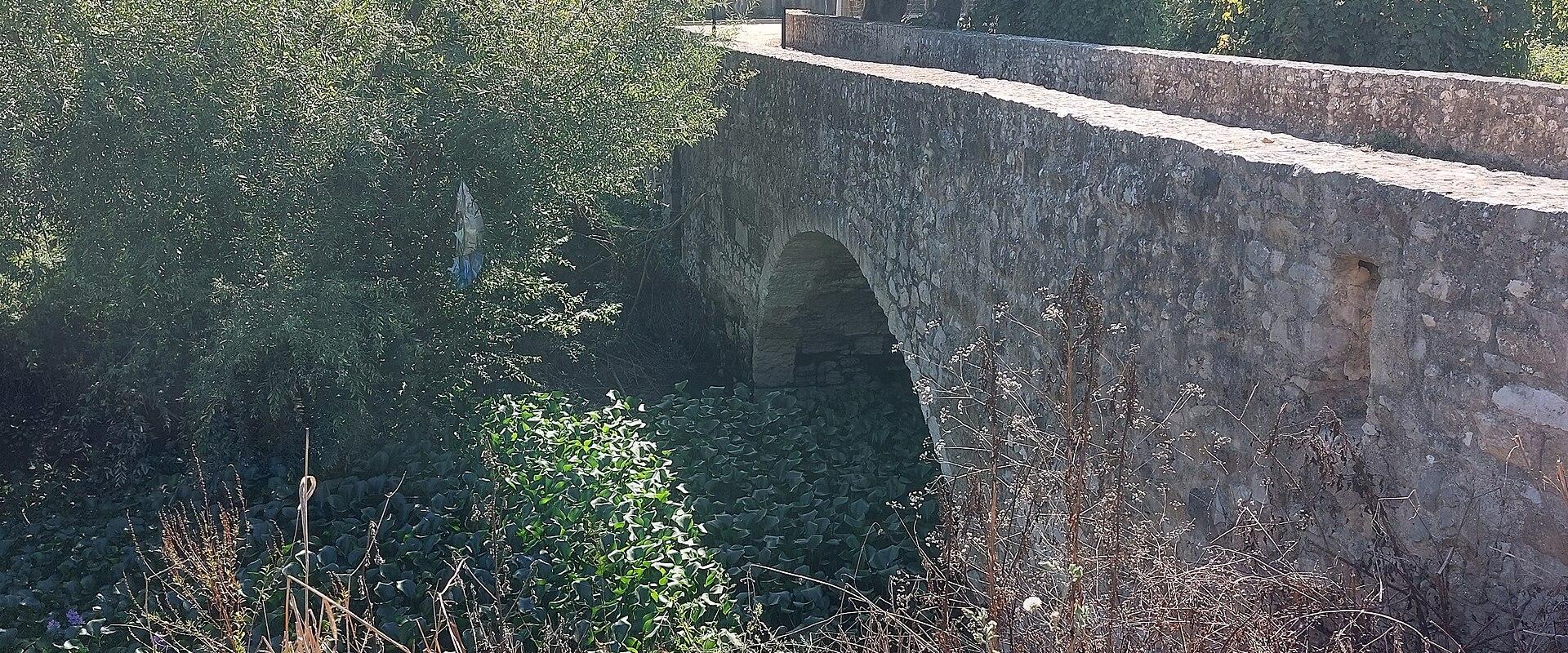
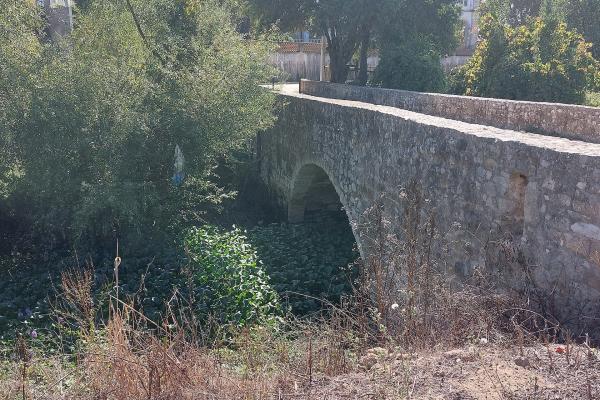
The Roman Bridge of Muge lies in the Ribatejo, in the municipality of Salvaterra de Magos, a short distance from Almeirim and the Tagus. The bridge crosses the Ribeira de Muge, a small tributary that flows through flat farmland toward the great river. It is a quiet rural monument rather than a major tourist site, and it is the sort of place that rewards those who like to go slightly off the main route.
Roman engineers built many bridges in this part of Portugal, because the Tagus valley was a major corridor for roads linking Lisbon with the interior. Bridges were made of stone with arches to carry carts, soldiers and traders across streams that flooded in winter. Like most of these old crossings, the one at Muge has probably been repaired and altered many times over the centuries, so its present form is a mixture of periods rather than a pure Roman structure. How much of the original fabric survives is a question for specialists, and visitors should expect a simple stone bridge instead of a monumental one.
The setting is part of the appeal. The land around Muge is low and open, planted with vines, olives, cereal fields, pastures and rice paddies, with the horizon broken by cork oaks and umbrella pines. The river is small and in summer it may nearly dry out. The spot is peaceful and suitable for a short stop with a camera.
Muge also has a deeper place in history that makes the area worth a thought. The valley is known for the Mesolithic shell middens, called concheiros, found along the Muge and Magos streams, where hunter-gatherers lived some seven or eight thousand years ago and left piles of shells and bones, as well as some of the oldest human burials in the country. The middens are of interest to archaeologists rather than casual visitors, but they show that this unassuming landscape has been inhabited for a very long time. Keep in mind that most of those sites are on private land or protected, and are not set up for visits.
Practical matters are simple. The bridge can be seen at any time, as it is in a public place, but there are no facilities nearby, so bring water and expect a short stop. The roads in the area are flat and quiet, and are good for cycling. Combine the bridge with a visit to Almeirim, which is known for its sopa da pedra, a hearty soup that is a local speciality, and for the nearby Tagus riverbanks and the horse country around Salvaterra de Magos and Coruche. Spring is the best season, when the fields are green and the temperature is mild. The site suits history enthusiasts and travellers who like to explore small, lesser-known monuments.
Categories
More photos coming soon
Nearby Attractions
Closest attractions by distance

Frequently Asked Questions
Quick Facts
Best Time to Visit
Spring (March-May) and autumn (September-November) offer mild weather and vibrant countryside, ideal for exploring Almeirim’s markets, cuisine, and rural traditions.