Day 1: Royal History and Riverfront Wonders
Explore the grandeur of Belém, Lisbon's historic district of discoveries, featuring UNESCO sites, iconic monuments, and the birthplace of Pastéis de Nata.
-
09:00
Jerónimos Monastery
Visit this masterpiece of Manueline architecture and see the tomb of Vasco da Gama. Arrive early to avoid crowds.
-
10:30
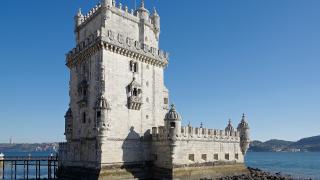
Belém Tower
Walk to the iconic 16th-century fortress on the Tagus River, a symbol of the Age of Discovery.
-
11:30
Breakfast Snack: Pastéis de Nata
Stop at Manteigaria for authentic, creamy Pastéis de Nata, the custard tarts born in Lisbon's monasteries.
-
12:15
Belém Gardens and Views
Stroll through the Jardim da Estrela or nearby parks for panoramic views of the river and the city skyline.
-
14:00
Lunch in Baixa
Travel to the Baixa District for a traditional Portuguese lunch in the neoclassical grid area.
-
16:00
Basílica Da Estrela
Visit this stunning Baroque basilica known for its yellow and white facade and Portugal’s largest nativity scene.
-
17:30
Azulejo Museum
Explore the historic 16th-century convent housing the world's finest collection of Portuguese tile art.
Meals:
Snack at Manteigaria, Belém , Lunch at Baixa District , Dinner at Chiado or Baixa
Where to stay: Stay in Baixa or Chiado for easy access to public transport and major sights.
Getting around: Use Tram 15E or Uber to get to Belém from the city center. Walk back through the hills.
Day 2: Medieval Heights and Cultural Immersion
Climb to the castle for history and views, wander the narrow streets of Alfama, and enjoy the local coffee and café culture.
-
09:00
Castelo De São Jorge
Explore the medieval citadel with panoramic Lisbon views, ancient walls, and archaeological sites.
-
10:30
Wander Alfama
Get lost in Lisbon’s oldest district, the birthplace of Fado music, with its narrow cobblestone streets and historic charm.
-
12:30
Lunch and Coffee Break
Enjoy a light lunch and coffee at Milkees Midnight Espresso, a cozy café blending espresso and desserts.
-
14:00
Buna Café Experience
Visit Buna Café to blend Lisbon’s flavors and culture with high-quality coffee in a cozy setting.
-
15:00
Fábrica Coffee Roasters
Tour Lisbon's first third-wave roaster in a nautical-themed space, learning about local coffee culture.
-
16:30
Tuk Tuk or Tram Tour
Conclude the trip with a private electric tuk-tuk tour through Lisbon’s historic neighborhoods, avoiding the steep hills.
Meals:
Breakfast at Near Castelo , Lunch at Alfama , Dinner at Baixa or Chiado
Where to stay: Same accommodation as Day 1.
Getting around: Walking is primary. Use Tram 28 for a scenic route if energy permits, or Uber for steep climbs.
Practical Information
For a two-day cultural immersion in Lisbon, aim for spring (April to June) or autumn (September to October). These seasons offer mild temperatures ranging from 15°C to 25°C, ideal for walking the city’s steep, cobblestone streets without the intense heat of July and August or the heavy rainfall of winter. Summer brings large crowds and higher prices, while winter can be damp and chilly, though it offers a more local, quiet atmosphere.
Lisbon is well-connected via Humberto Delgado Airport (LIS), which offers direct flights to major European and international hubs. Once in the city, the most efficient way to navigate is on foot, particularly in historic districts like Alfama, Baixa, and Chiado. For longer distances or hilly terrain, utilize the metro system, which is clean, safe, and affordable. Purchase a Viva Viagem card and load it with a Zapping tariff for flexible pay-as-you-go travel on metros, buses, and trams. Uber and Bolt are widely available and often cheaper than traditional taxis, making them a practical option for late-night returns or carrying luggage.
Accommodation should be selected based on proximity to public transport and desired ambiance. Baixa is central and flat, offering easy access to major sights and restaurants. Chiado provides a sophisticated, upscale atmosphere with excellent shopping and dining. Alfama, the oldest district, offers authentic charm and stunning views but features steep, narrow streets that may be challenging with heavy luggage. Bairro Alto is vibrant and nightlife-focused but can be noisy at night. For a balance of convenience and character, consider staying in Príncipe Real or Santos, which are slightly quieter yet still well-connected.
Budgeting for two days should account for moderate daily costs. Lisbon is generally more affordable than other Western European capitals, but tourist areas can be pricey. Include costs for metro tickets, museum entries (many charge €10–€15), and meals. Traditional tasquinhas offer affordable local cuisine, while sit-down restaurants in tourist hubs can be expensive. Exclude costs for guided tours unless pre-booked, as many heritage sites are self-guided.
Pack comfortable, broken-in walking shoes with good grip for cobblestones and steep inclines. Bring layers, as weather can shift quickly, and a light rain jacket is advisable. A portable power bank is essential for navigation apps. Respect local customs by greeting shopkeepers with "Bom dia" or "Boa tarde." Always carry some cash for small purchases, as not all vendors accept cards. Be cautious of pickpockets in crowded tourist spots and on Tram 28. Finally, check opening hours for museums and churches in advance, as many close on Mondays or have limited afternoon hours.