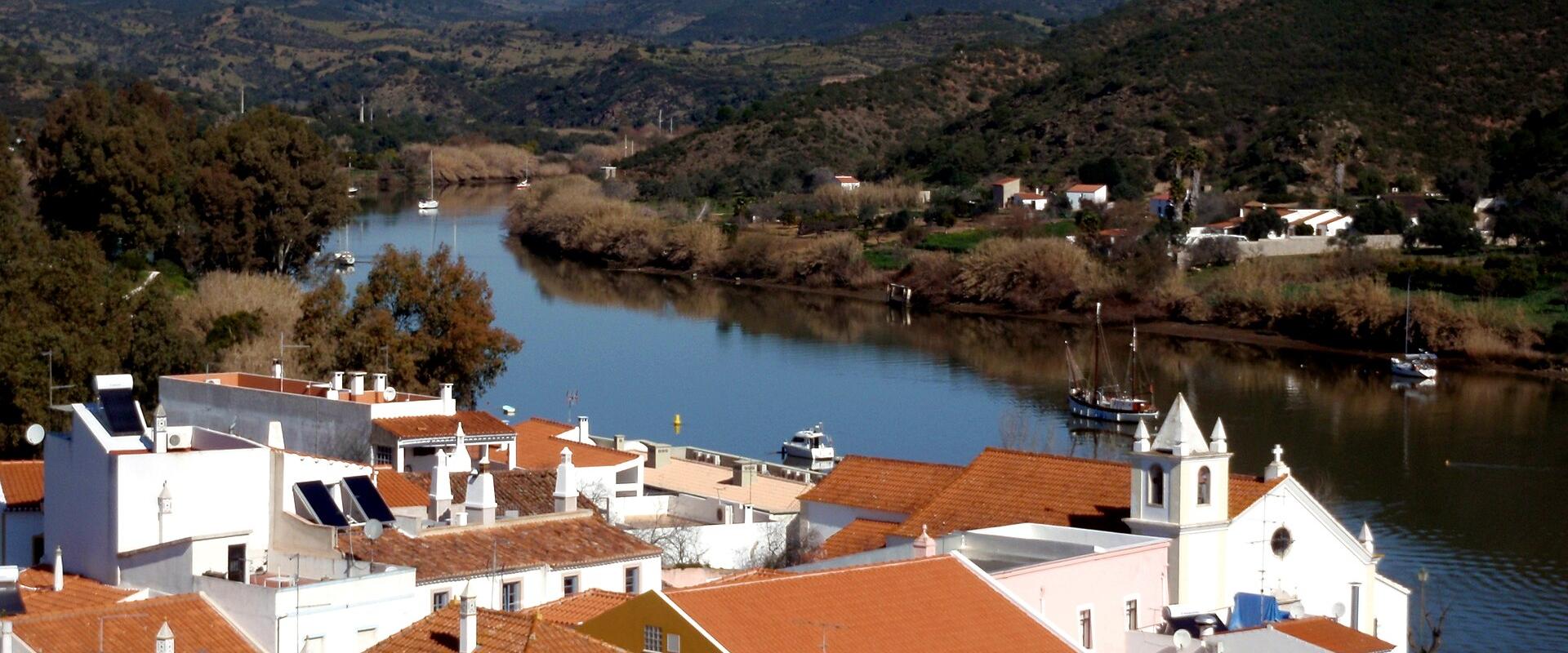
Alcoutim’s story is a border story. The Guadiana has always been both a barrier and a bridge, and the settlement on its western bank grew around a crossing point that Phoenicians, Romans and Moors all used before the Portuguese took the area in the thirteenth century. The castle that crowns the town, the Castelo de Alcoutim, dates from the fourteenth century and was built to defend the frontier against Castile. Today its walls frame a small archaeological museum, and the ramparts give some of the best views of the river, the red-roofed houses below and the Spanish hills beyond. The old part of town, often called Alcoutim Velho, climbs the slope beneath the castle in a tangle of narrow, whitewashed lanes.
The social centre of the town is the Praça da República, a pleasant square opening onto the riverbank where cafés set out tables and locals gather in the evening. Close by, the Igreja Matriz, the parish church, is a simple but handsome building that shows how the town’s religious life developed around the fortress. A small chapel, the Ermida de Nossa Senhora da Conceição, and the municipal market add to a compact centre that can be explored on foot in an hour or two, though most visitors linger much longer. A short walk from the main square, a riverside picnic park offers shade and a place to sit beside the water.
The river is the main attraction. Across the Guadiana, Sanlúcar de Guadiana can be reached by a short boat crossing, and it is worth remembering that Spain is one hour ahead of Portugal, so lunch in Spain begins when the clock in Alcoutim says noon. A zip line that runs from the Portuguese bank over the river to Spain has become a popular adventure activity. Boat trips along the Guadiana pass through quiet reaches with reed banks and birdlife, and the stretch of river upstream, towards the mining village of Pomarão and the historic town of Mértola, is among the most unspoilt landscapes in southern Portugal.
Local culture reflects the frontier. The Festival do Contrabando recalls the smuggling trade that once carried coffee, tobacco and other goods across the river, and folk traditions such as the Folias de Alcoutim keep the music and customs of the Algarve interior alive. The food is rural and satisfying: dishes built on pork, local sausages, game, honey, almonds and bread, along with fish from the river and the region’s olive oil, usually served in modest family-run restaurants with a view of the water.
Outside the village, the natural park offers walking and cycling routes through hills covered in rockrose and cork oak, with good birdwatching and an exceptional night sky, since there is almost no light pollution here. The landscape is at its best in spring, when wildflowers cover the slopes.
Alcoutim is reached by road, roughly an hour’s drive from the coast near Vila Real de Santo António or Faro, and there is no railway. Public buses are infrequent, so a car is the practical choice, particularly for exploring the park. Accommodation is limited to small guesthouses, rural houses and a handful of modest hotels, so booking ahead is wise in summer. Spring and autumn bring mild weather and soft light, summers are very hot in the interior, and winters are quiet, which suits visitors who want to be almost alone with the river and the hills.
What to see in Alcoutim
Our picks first.
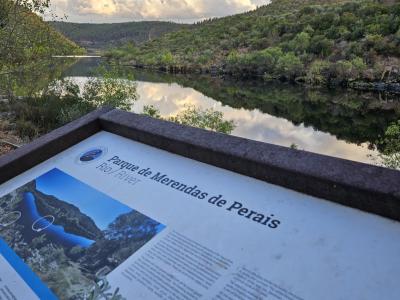
Parque de Merendas
Alcoutim riverside picnic area with hiking access
Free Food & Gastronomy · Natural Wonders
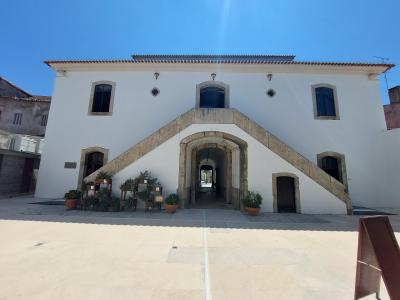
Museu do Marquês de Pombal
Historic museum in Alcoutim, Portugal
Historic Towns · Museums
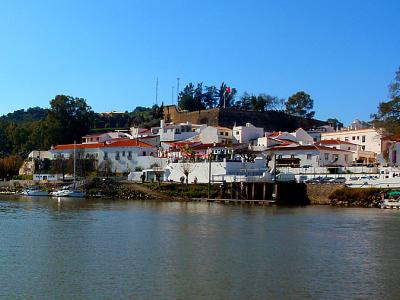
Casa da Cultura
Cultural center in Alcoutim, Algarve
Cultural Experiences · History & Heritage
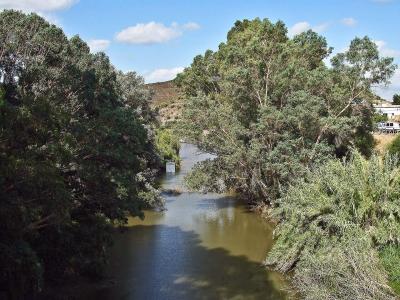
Ribeira de Alcoutim
Ribeira de Alcoutim flows along the Guadiana border
Castles · Hiking Trails
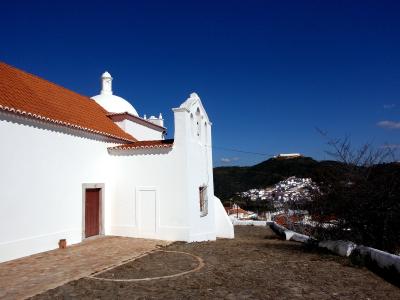
Ermida de Nossa Senhora da Conceição
16th-century Moorish-tiled altar in Alcoutim
History & Heritage
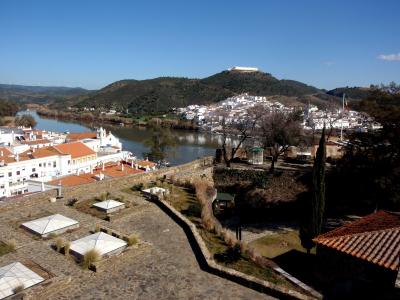
Castelo de Alcoutim
13th-century fortress on the Guadiana River
Castles · Hiking Trails
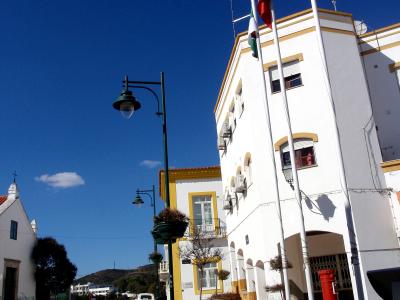
Praça da República
Central public square in Alcoutim, Algarve
Free Hiking Trails · Historic Towns
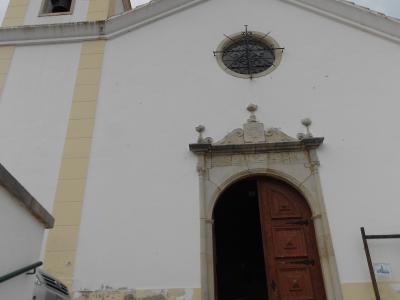
Igreja Matriz de Alcoutim
16th-century Renaissance church in Alcoutim
Historic Churches · Historic Towns
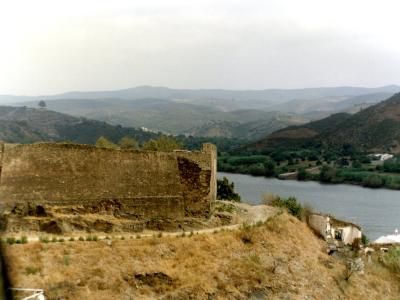
Miradouro do Castelo
Medieval castle ruins with panoramic views
Free History & Heritage · Natural Wonders
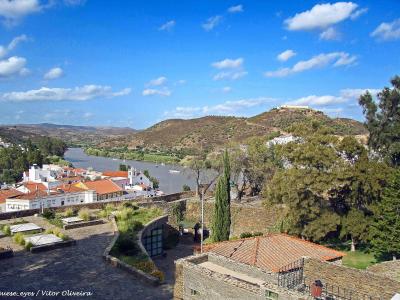
Alcoutim Velho
Medieval castle housing the Archaeology Museum
Cultural Experiences · History & Heritage
Alcoutim by interest
The same sights, grouped by what you came for.
Planning a visit to Alcoutim
Good to know
- Currency
- EUR
- Language
- Portuguese
Quick Facts
Book your stay
Questions people ask
More places in Algarve
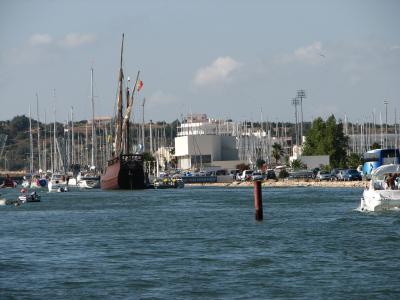
Algarve
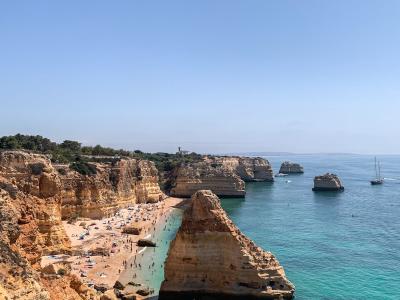
Lagos
Old walled town, golden sea cliffs and the beaches of the western Algarve
Algarve
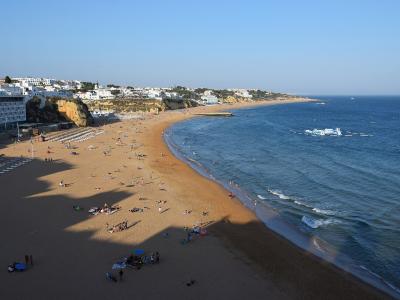
Albufeira
Vibrant Algarve resort with beaches and lively nightlife
Algarve
Faro
Algarve capital with old town, beaches, and Ria Formosa lagoon
Algarve
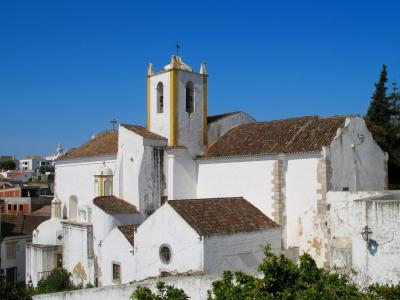
Tavira
Historic riverside town with island beaches and Moorish charm